
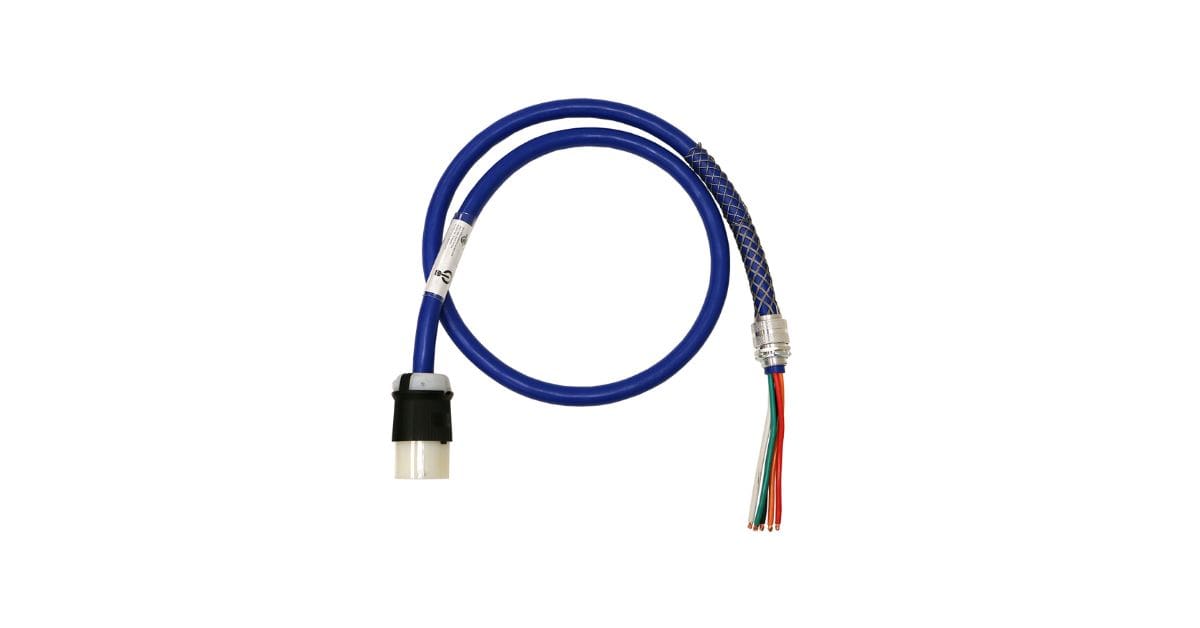
Electrical contractors and data center managers constantly weigh options when selecting portable power cords. Choosing the right cable prevents costly downtime, equipment failure, and safety hazards. While many cable types appear similar on a spec sheet, subtle differences in insulation, voltage rating, and durability determine their suitability for specific applications. We’ll explore the six key differences between SOOW and type W cables, helping you select the right solution for your power distribution needs.
What Do the Names Mean?
Before dissecting the technical differences, you must understand what the industry designations represent. These letters aren’t random; they tell you exactly what the cable can handle.
SOOW Cable Designation
The acronym SOOW offers a quick snapshot of the cable’s properties. The letter “S” stands for Service, indicating that it is a heavy-duty service cord. “OO” refers to the insulation and the jacket, both of which are oil-resistant. Finally, the “W” signifies water- and weather-resistance. This combination makes SOOW a versatile choice for indoor and outdoor applications where oil, water, and rough handling are factors.
Type W Cable Designation
Type W portable power cables fall under a heavier classification. The “W” here simply stands for heavy-duty power cable. Unlike SOOW, which is a service cord, Type W is a true portable power cable designed for higher-voltage, higher-amperage demands. It is usually constructed with flexible strand copper conductors, insulated with EPDM, and protected by a heavy-duty CPE jacket.
Voltage Rating: The Primary Differentiator
The most critical distinction between these two cable types lies in their voltage rating, which determines where you can legally and safely install them.
600V Limit for SOOW
SOOW cable carries a maximum rating of 600 volts. This limit makes it the industry standard for wiring portable tools, small motors, appliances, and control circuits. Most commercial and light industrial applications operate well within this range.
When wiring a push-button remote for a crane or connecting a portable generator to a transfer switch, SOOW typically meets the required capacity. Its flexibility and low profile facilitate handling during these sub-600V applications.
2000V Capacity for Type W
Type W cable steps up the performance with a rating of 2000 volts. This substantial increase allows it to handle heavy-duty industrial power distribution that SOOW cannot touch.
Large-scale mining equipment, large mobile pumps, and power distribution boxes used in the entertainment industry often require a 2k rating. This rating necessitates greater insulation thickness, resulting in increased cable weight and reduced flexibility.
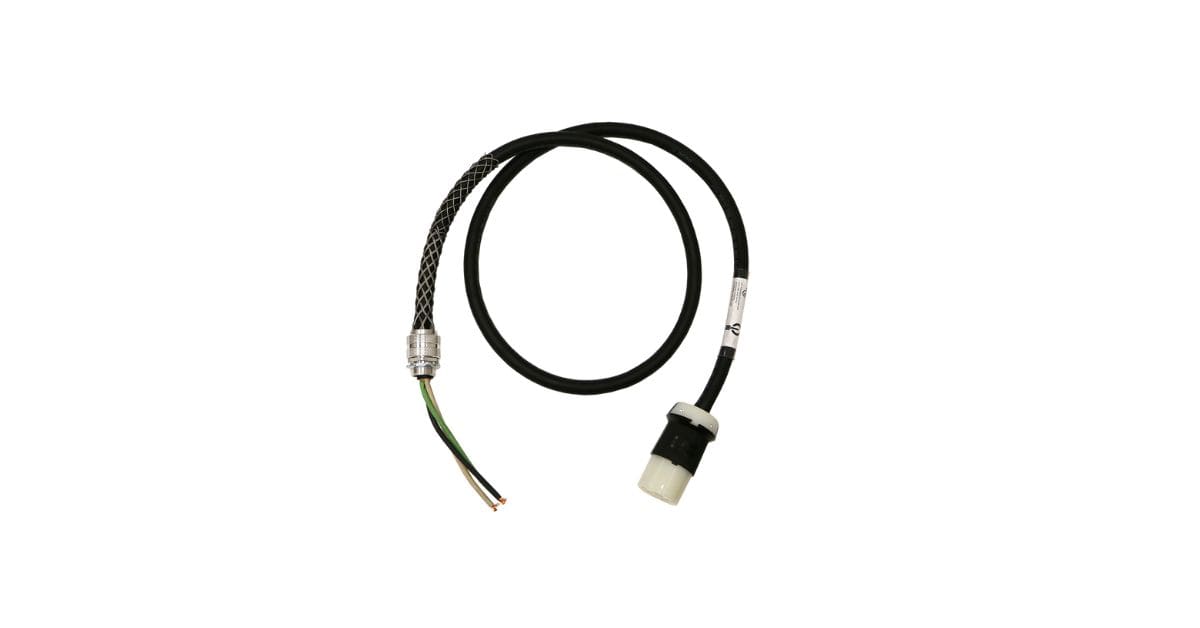
Construction and Durability
Durability matters immensely on a job site where cables get dragged over concrete, exposed to sunlight, or submerged in puddles. Both cables are tough, but they handle environmental challenges differently.
Jacket Thickness and Abrasion Resistance
Type W cable generally features a thicker, more robust jacket than SOOW. Manufacturers design Type W to withstand the extreme rigors of mining and excavation environments. It offers superior resistance to abrasion, crushing, and impact. If you expect your cable to be run over by vehicles or dragged across sharp rocks, Type W provides the necessary armor.
Flexibility and Ease of Handling
Because SOOW utilizes thinner insulation and jacketing to meet its 600V rating, it maintains superior flexibility. This characteristic makes it much easier to coil, route through tight machinery, and store. For electrical contractors working with tight spaces, the pliability of SOOW saves time and reduces hand fatigue during installation. Type W, with its heavier build, becomes stiffer and heavier, making it more challenging to manipulate in confined spaces.
Environmental Resistance and Certifications
Both cables offer excellent resistance to environmental factors, but their specific certifications can dictate their usage.
Oil and Water Resistance
As the names suggest, both cable types resist oil and water effectively. The thermoset jackets used on both prevent the material from swelling or degrading when exposed to industrial lubricants or coolants. Additionally, both are rated for outdoor use and withstand UV exposure without cracking. In sensitive environments like a data center where cooling leaks are a risk, either cable provides the necessary protection against moisture ingress.
Regulatory Approvals
SOOW cables typically carry UL and CSA listings for indoor and outdoor use. They meet the requirements for NEC Article 400 for flexible cords and cables. Type W cables also carry UL listings, specifically UL 1650 for Portable Power Cable. Furthermore, Type W is often MSHA (Mine Safety and Health Administration) approved, allowing its use in mining operations. If your project falls under MSHA jurisdiction, Type W is likely mandatory, whereas SOOW would not pass inspection.
Cost Considerations
Budget always plays a role in material selection. Because Type W uses more copper and insulation to achieve its 2000V rating and greater durability, it almost always commands a higher price per foot than SOOW.
If your application operates at 600 volts or less and does not require the extreme physical protection of Type W, choosing SOOW is a smart financial decision. You get a highly durable, flexible cable without paying for voltage capacity you will not use.
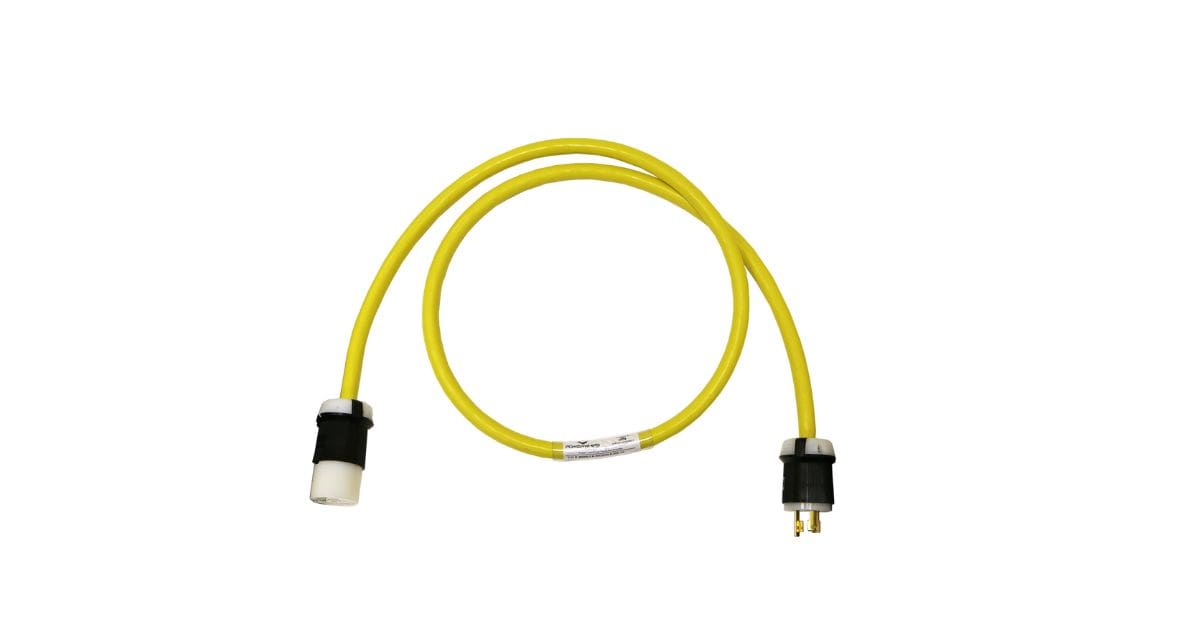
Application Scenarios: Making the Right Choice
To provide further context, below are two scenarios to further illustrate its typical applications.
Scenario A: The Data Center Upgrade
A data center manager needs to wire power drops for new server racks at 208V or 480V. The cables will most likely run under a raised floor or in overhead cable trays. In this instance, SOOW is the superior choice.
The voltage is well within the 600V limit, and the flexibility of SOOW allows for easy routing through the complex cable management systems typical of data centers. The oil resistance also protects against accidental exposure to cooling fluids. Using Type W here would be overkill, harder to install, and more expensive.
Scenario B: The Temporary Construction Site
An electrical contractor is tasked with establishing a main power feeder for a temporary distribution box on a construction site characterized by mud, rocks, and ongoing heavy equipment operation.
Here, Type W is the correct selection. The challenging physical environment calls for a heavier jacket. The higher voltage rating also adds a safety factor for the main feed.
Choosing Quality for Long-Term Reliability
Regardless of which cable type your project demands, the quality of the manufacturing matters. Cheaply made cables often feature inconsistent jacket thickness or low-quality copper, leading to premature failure. High-quality thermoset jackets, on the other hand, resist heat deformation and chemical attack far better than inferior thermoplastic alternatives.
Navigating the specifications of portable power cords ensures safety and efficiency. By understanding the six key differences between SOOW and type W cables, you align your material selection with the specific demands of the job.
When you need a portable power cord that balances extreme durability with flexibility, trust Electrol Powerwhips. Our robust SOOW cable solutions are engineered to withstand the harshest environments while remaining compact and easy to handle. Ensure consistent performance on every job site! Contact us today to find the right cable for your project.