
You might look at your current facility and think the power setup handles the load just fine. Server racks hum along, the cooling systems keep temperatures in check, and uptime statistics look healthy. But the demand curve for data processing is not flat. It is vertical.
Artificial intelligence, machine learning, and high-performance computing are pushing rack densities to levels that were unimaginable a decade ago. This shift changes everything about how you need to think about energy. It requires preparing data centers for next-gen power distribution to ensure you do not just survive the next wave of technology but thrive within it.
The Impact of High-Density Computing
The most immediate challenge facing facility managers is the physical heat and power draw associated with modern GPUs and TPUs. Legacy data centers were often designed with a blanket approach to power distribution, where you laid out a grid, ran the cables, and plugged things in. That method fails when specific zones in your data hall suddenly require triple the power of the adjacent row.
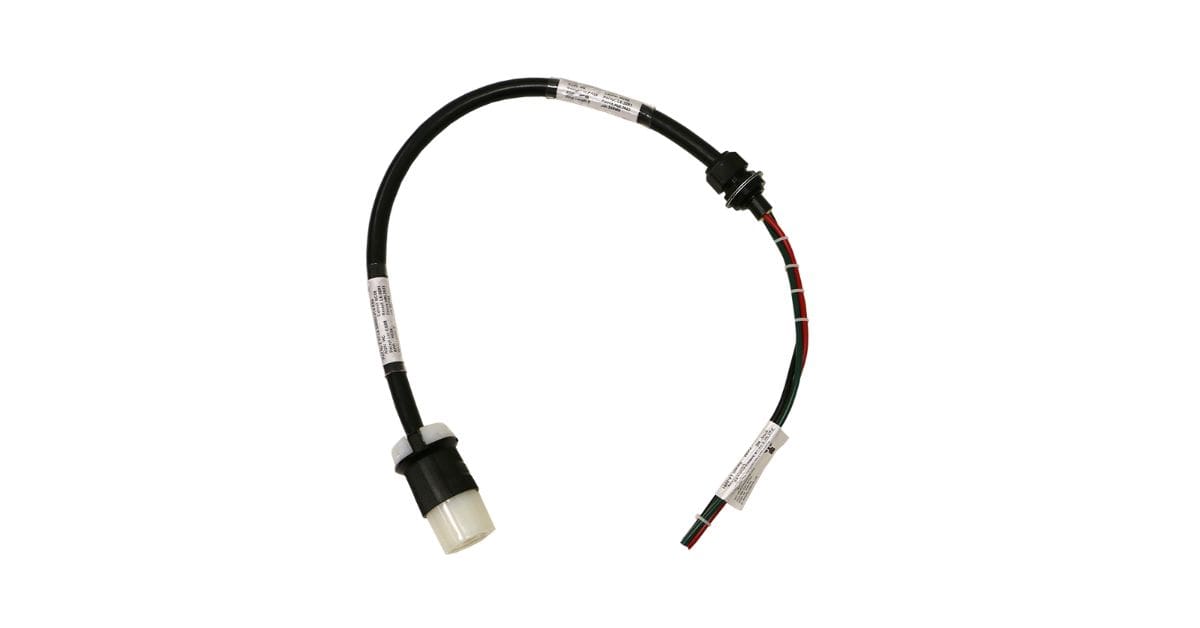
You need a distribution system that adapts to these hotspots without requiring a total shutdown. High-density computing strains standard electrical components, and cables that were sufficient for standard servers might cause voltage drops that sensitive equipment cannot tolerate. Therefore, the first step in modernization is assessing whether your current “pipes” are large and robust enough to handle the flow they need to handle. This assessment often leads to a hard look at the quality of the whips and cords currently under your floor or over your head.
Rethinking Cable Management Strategies
One of the biggest debates in modern facility design is where to put the wires. Traditionally, raised floors hid everything, and it looked clean. However, as cable bundles grow thicker to handle higher amperage, they create physical blockages under the floor. These blockages kill airflow.
The Argument for Overhead Distribution
Many operators are moving power overhead to address airflow issues. Moving cabling to overhead trays liberates the space under the raised floor dedicated solely to static pressure and cool air delivery. It also makes maintenance easier because you do not have to pull up heavy tiles to trace a fault or add a circuit.
When you look at overhead solutions, you typically deal with tray cable or SOOW cords. These robust cabling options are designed to sit in open trays and withstand the environment without conduit protection in many cases. They offer the flexibility to drop power exactly where a new high-density rack gets installed.
Optimizing Underfloor Systems
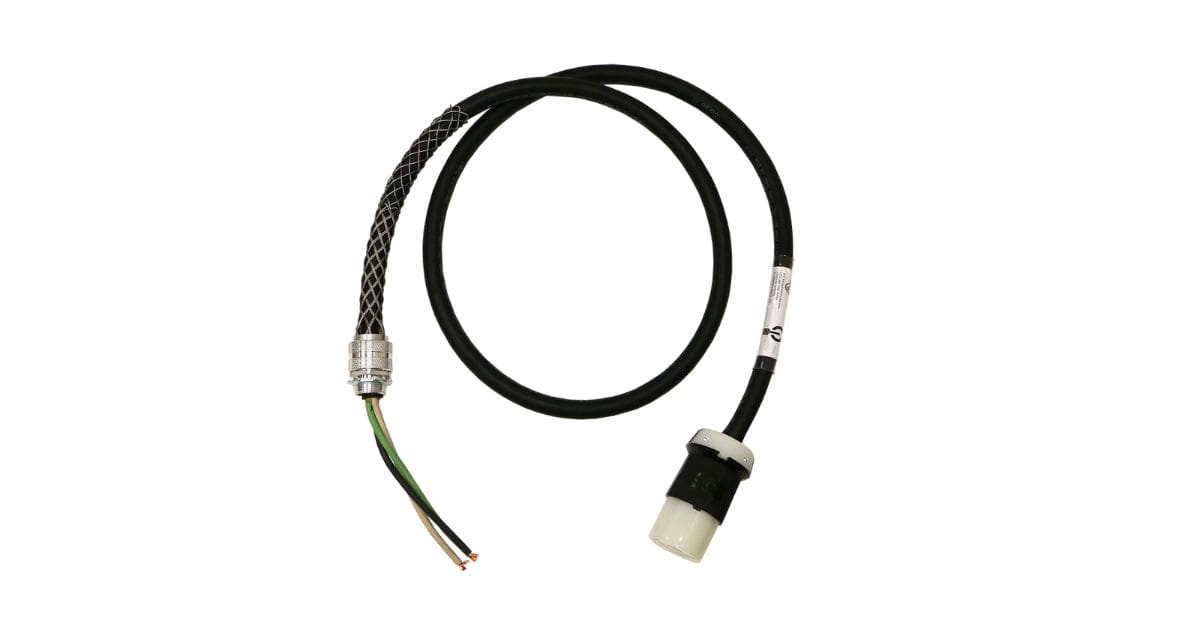
Overhead isn’t the right answer for every building. You might have ceiling-height restrictions or legacy infrastructure that make a switch cost-prohibitive. If you stay under the floor, you must be more intentional about cable routing. Using liquid-tight flexible metal conduit, often referred to as Type LA conduit, protects the conductors while allowing for necessary bends and movement.
The key here is organization. You cannot afford a disorganized nest of wires! Utilizing specific connector types, such as IEC 60309 pin and sleeve configurations, helps maintain a standard footprint while safely handling higher amperages. These setups provide a secure, watertight connection that prevents accidental disconnects, which is a critical feature when a single plug might support a mission-critical AI training cluster.
The Critical Role of Prefabricated Assemblies
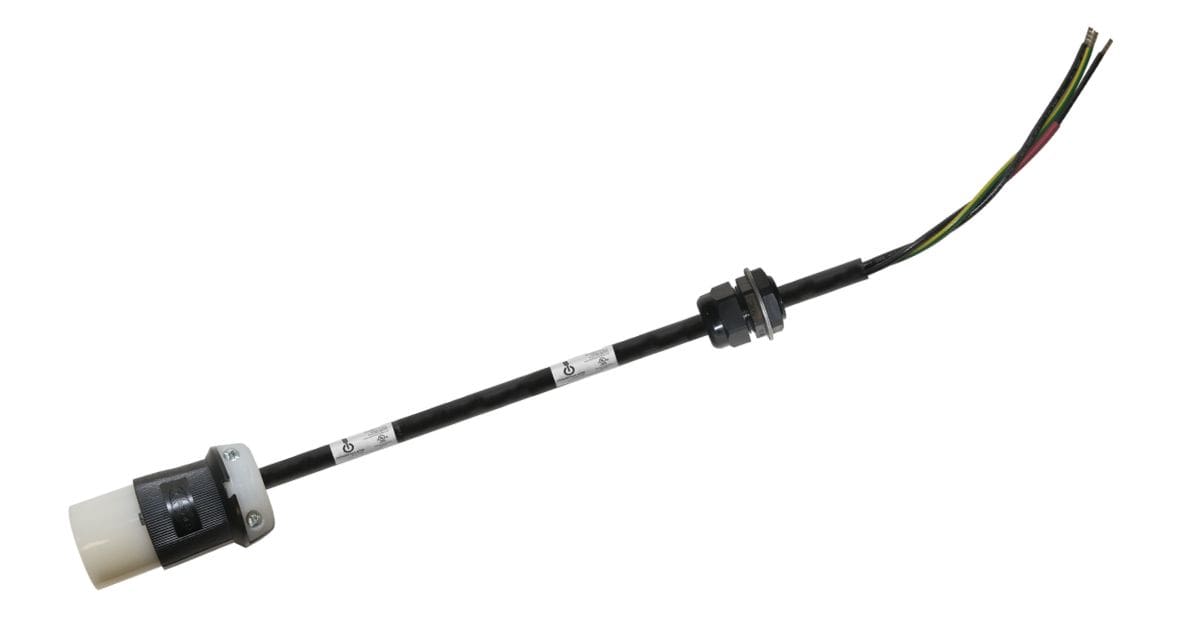
Speed is a currency in the data center world. When a client needs to deploy a thousand servers, they cannot wait three weeks for electricians to hand-cut conduit and terminate wires in the field. This is why the industry is shifting aggressively toward prefabricated electrical assemblies.
Field termination introduces human error. For example, an electrician working in a dark, cramped corner might not tighten a terminal screw perfectly every time. Factory-assembled power whips are tested before they ever arrive at your loading dock. You know they work: you simply unbox them, install them, and power up.
This approach supports the modularity of next-gen distribution needs. If you need to reconfigure a row, you can move prefabricated whips much faster than reworking hardwired conduit. It makes your electrical infrastructure a dynamic utility that adapts as your IT equipment does.
Choosing the Right Components for Reliability
The weak point in any power chain is the connection. As you push more current through these systems, the quality of your plugs and receptacles becomes important. Generic, residential-grade hardware has no place in a mission-critical facility.
You should look for industrial-grade connectors designed for longevity. Russellstoll connectors, for example, are known for their ability to handle high-power loads and resist environmental factors. They use O-rings and screw collars to ensure that once a connection is made, it stays made until you decide otherwise.
Similarly, NEMA locking configurations provide a standard, reliable interface for a wide range of equipment. The point is standardization, with components that are predictable. Mixing and matching incompatible plug types or using budget connectors creates failure points. When preparing data centers for next-gen power distribution, you must standardize on components that offer the highest safety margins.
Securing Your Power Future
The transition to next-generation power distribution is not an option; it is a requirement for staying relevant. Facilities that ignore rising densities and the need for flexibility will eventually find themselves unable to support modern clients. They will be stuck with hot spots they cannot cool and power demands they cannot meet safely.
You have the opportunity to build resilience into your system now. By evaluating whether overhead solutions better suit your facility, or if you need to optimize your underfloor IEC setups, you take control of your facility’s future. The goal is a power system that is invisible to the user because it works flawlessly, every time.
Upgrading your infrastructure requires the right partners and the right hardware. You need cables that are tested, reliable, and built for the specific demands of your floor. Electrol Powerwhips offers data center PDU components and custom power cable assemblies engineered to meet rigorous industry standards. Whether you are transitioning to high-density racks or optimizing existing underfloor distribution, our technical expertise ensures your power system remains robust and resilient. Contact us today to secure the reliable connectivity your facility demands!