
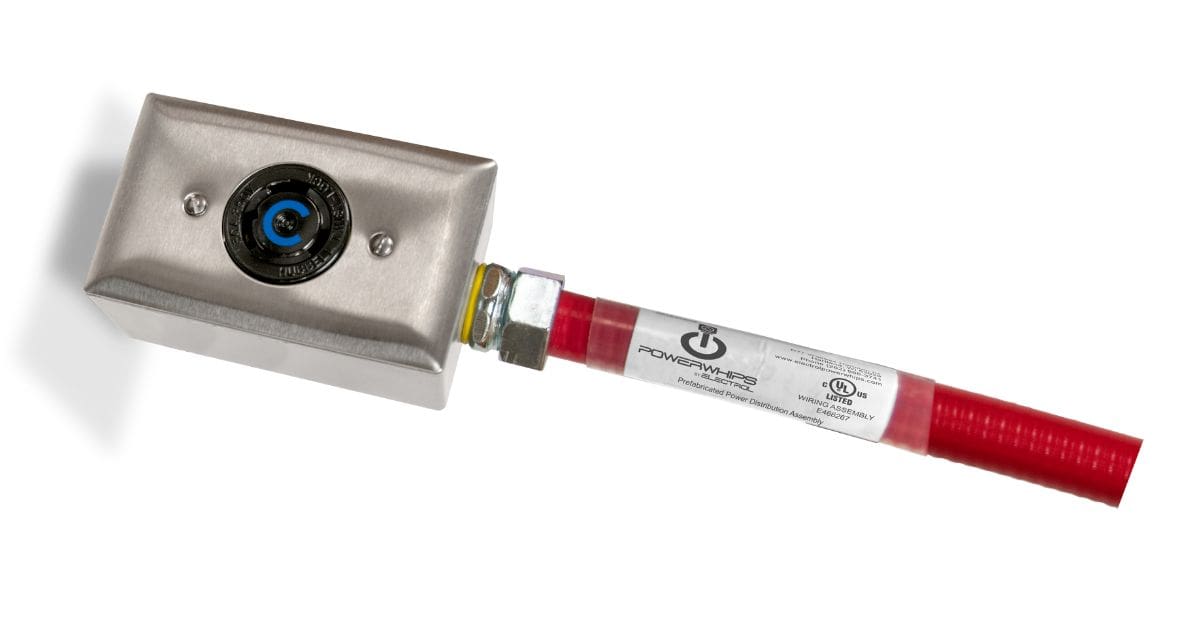
Electricity powers practically every aspect of modern industry, yet the connection points allowing that energy to flow remain a mystery to many. You might look at a receptacle and notice that the slot configuration is different from the standard wall outlet in your home, or perhaps you have a piece of heavy machinery with a plug that won’t fit anywhere.
These differences are intentional. They exist to protect equipment and personnel from electrical mishaps. Understanding NEMA power cable ratings and classifications is the only way to guarantee compatibility and safety across your electrical infrastructure.
The Role of the National Electrical Manufacturers Association
The National Electrical Manufacturers Association, known as NEMA, establishes the standards for electrical equipment in North America. These standards define the construction, performance, and physical configuration of plugs and receptacles.
While NEMA does not directly test products, manufacturers design their components to meet these rigorous specifications. NEMA standards categorize devices by amperage and voltage ratings so that you cannot physically plug incompatible devices together.
Decoding the NEMA Nomenclature
You can identify any NEMA connector by looking at the alphanumeric code stamped on its body. This code follows a specific logic: it separates the numbers and letters to reveal the device’s voltage, amperage, and grounding characteristics.
The first number in the sequence indicates the voltage and wiring configuration. For example, a “5” indicates a 125-volt, two-pole, three-wire grounded device. A “6” represents a 250-volt, two-pole, three-wire grounded configuration. As the voltage or number of poles increases, this first number changes.
Following the hyphen, the second number tells you the amperage rating. A “15” means the device is rated for 15 amps, while a “20” indicates 20 amps. This rating matches the circuit breaker protecting the line.
Finally, the letter usually indicates the device type. “R” stands for receptacle, and “P” stands for plug. If you see an “L” preceding the first number, it designates a locking device. Therefore, a NEMA L5-15P is a locking plug rated for 125 volts and 15 amps.
Straight Blade Classifications
Straight-blade devices are the most common connectors in residential, commercial, and light industrial settings. You connect them by pushing the plug straight into the receptacle. The friction holds the blades in place.
NEMA 1 Series
The NEMA 1 series consists of two-wire, non-grounded devices rated for 125 volts. You likely recognize the NEMA 1-15 as the standard household plug for lamps and small electronics that do not require a ground connection. It features two flat parallel blades. Polarization is achieved by making the neutral blade slightly wider than the hot blade, preventing the plug from being inserted upside down.
NEMA 5 Series
The NEMA 5 series adds a safety ground pin to the configuration. The NEMA 5-15 represents the standard three-prong outlet found in North American homes and offices. It handles 125 volts and includes two flat parallel blades with a round or U-shaped grounding pin. The ground pin is longer than the power blades, guaranteeing the ground connects first and disconnects last.
NEMA 5-20 Distinction
A NEMA 5-20 receptacle looks similar to the 5-15 but features a “T-shaped” neutral slot. This design allows it to accept both 15-amp plugs (with parallel blades) and 20-amp plugs (where one blade is rotated 90 degrees). However, you cannot insert a 5-20 plug into a 5-15 receptacle. This physical restriction prevents you from overloading a 15-amp circuit with a high-draw 20-amp device.
NEMA 6 Series
When your equipment requires 250 volts, you move to the NEMA 6 series. These connectors are two-pole, three-wire, grounded devices used for larger appliances, such as commercial air conditioners or heavy-duty power tools. The blades are arranged horizontally rather than vertically to prevent accidental insertion into a 125-volt outlet.
Locking Device Classifications
Industrial environments often require connections that cannot be easily dislodged. Vibration from heavy machinery or accidental tension on a cord could pull a straight-blade plug from its socket, cutting power and potentially creating a hazardous arc. Locking devices, denoted by the letter “L” in the NEMA code, solve this issue.
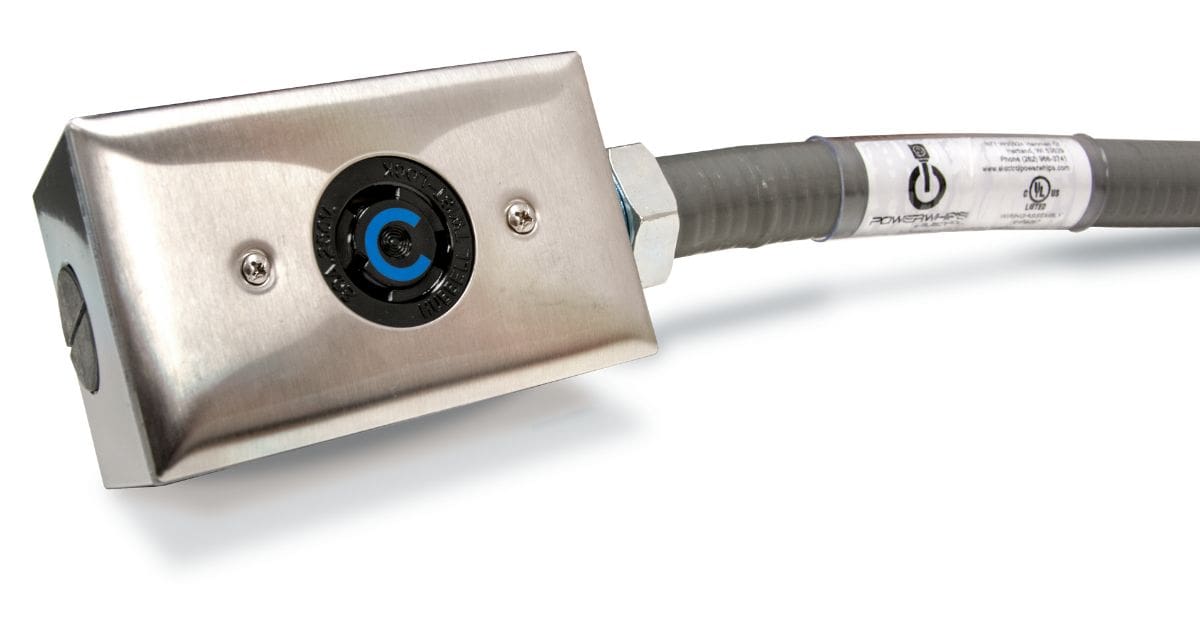
Locking plugs feature curved blades. You insert the plug and twist it to lock it securely into the receptacle. The L5, L6, and L14 series mimic the voltage and wiring of their straight-blade counterparts but utilize this twist-lock mechanism.
An L5-30, for instance, is a 125-volt, 30-amp locking connector commonly found in marinas and campgrounds to power RVs and boats, as well as in data centers to power server racks. The distinct circular pattern of the curved blades makes these connectors instantly recognizable and entirely incompatible with straight-blade outlets.
Higher Voltage and Multi-Phase Ratings
As industrial power requirements scale up, so do the NEMA configurations. Devices requiring higher voltages or three-phase power utilize more complex pin arrangements.
NEMA 14 Series
The NEMA 14 series serves 125/250-volt systems. These are four-wire grounding devices featuring two hot wires, a neutral wire, and a ground wire. You will typically find the NEMA 14-30 or 14-50 used for electric ranges and clothes dryers in newer residential construction. The four-wire design improves safety by separating the neutral return path from the protective ground.
NEMA 15 Series
The NEMA 15 series is designed specifically for 250-volt, three-phase operation. These connectors have three poles and a ground, but no neutral. They power three-phase motors and heavy machinery found in manufacturing plants. The distinct arrangement of the blades ensures that phase rotation is maintained, which matters for the directional operation of motors.
Safety and Compliance
Strict adherence to NEMA classifications aligns your operation with the National Electrical Code (NEC). Inspectors look for properly installed receptacles and matching plugs during safety audits. Using compliant devices demonstrates due diligence in maintaining a safe work environment.
Over time, plugs and receptacles wear out. Contacts loosen, creating resistance and heat. Regular inspections should include checking the NEMA markings on your devices to verify they remain legible and that the components show no signs of thermal damage. Replacing worn components with identical NEMA-rated parts maintains the integrity of the system.
Making the Right Connection
Navigating the web of numbers and letters stamped on your electrical hardware can seem daunting at first. But by segregating voltages and amperages into physically distinct configurations, the industry protects users from dangerous errors. Understanding NEMA power cable ratings and their classifications empowers you to make informed decisions about your electrical infrastructure, protecting your equipment and your team.
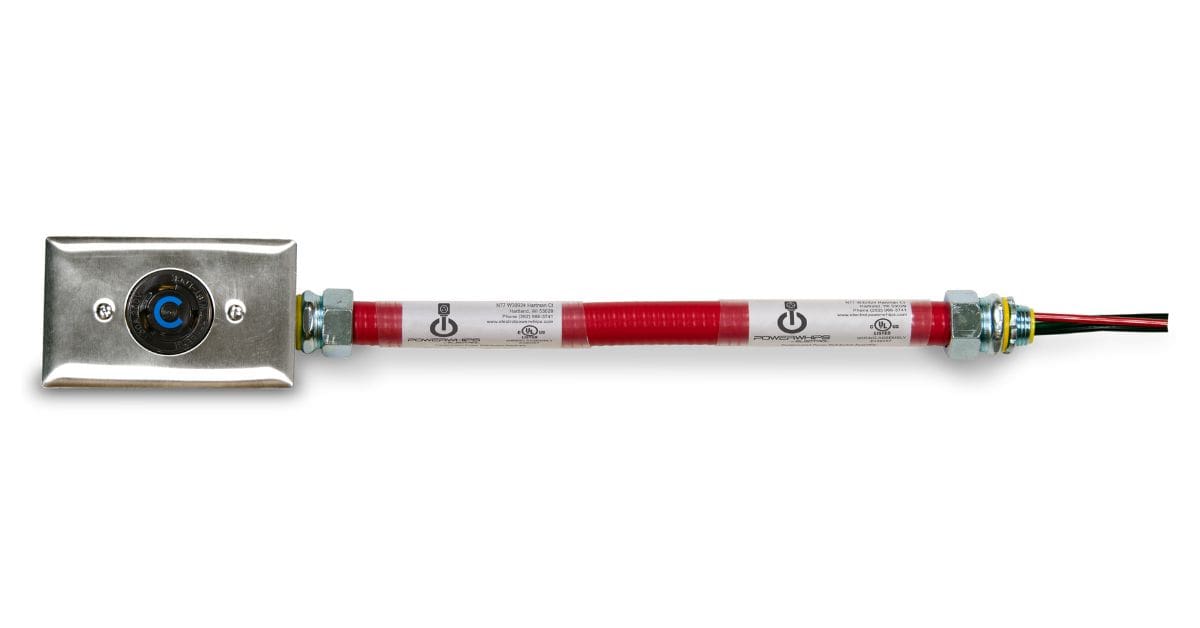
Electrol Powerwhips provides durable NEMA power cord solutions, precision-engineered to integrate seamlessly into your facility’s electrical infrastructure. Ensure your systems meet rigorous safety standards and operational demands by consulting with our technical experts. Customize the exact configuration required for your equipment. Contact us today!