
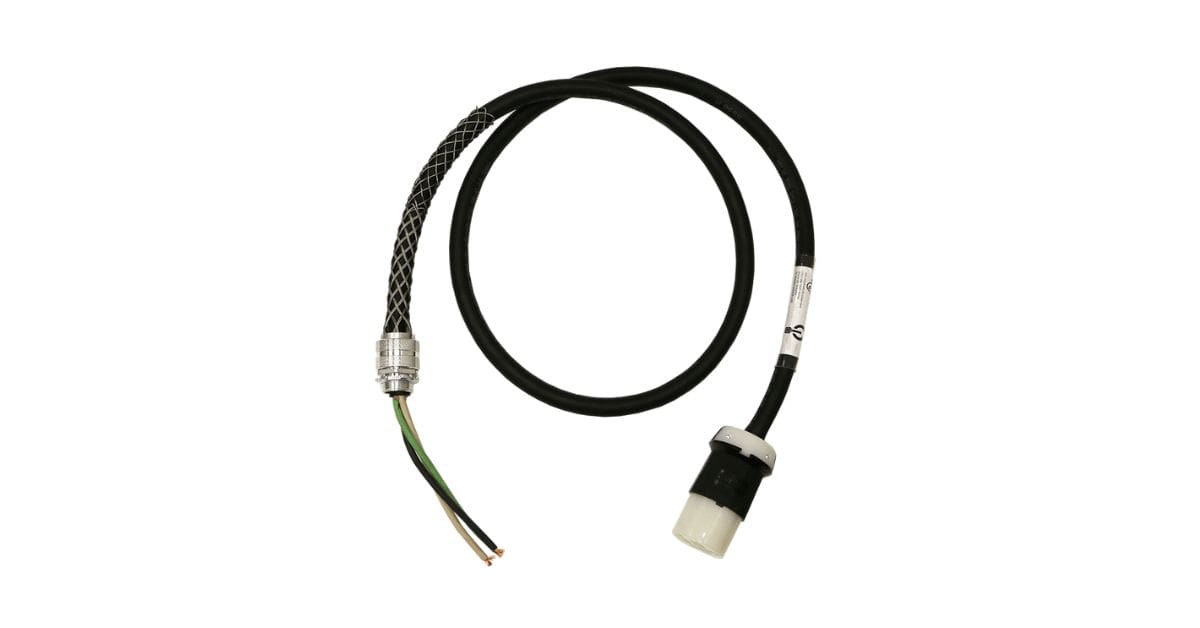
On a jobsite, cords get dragged through dust, pinched under carts, and splashed with who-knows-what. That is why understanding how to clean and inspect SOOW cords after use should be part of your standard shutdown routine, not something you do only after a close call. A consistent process helps you catch jacket damage early, spot overheated connectors before they fail, and keep power dependable for the next crew who grabs that cord.
What You Are Protecting With Routine Care
SOOW cords are built for tough environments, but they are not immune to abrasion, crushing, or chemical exposure. Regular post-use care protects insulation integrity, strain reliefs, and terminations, which are common failure points under frequent flex. It also protects your schedule, since one failed cord can halt tool use, trigger troubleshooting, or force an unplanned supply run when the day is already tight.
When a Quick Check Is Not Enough
A fast look is fine after light indoor use, but it is not enough after wet work, concrete pours, oily equipment, or anything that involves doorways and sharp edges. If the cord was yanked free, slammed in a gate, or run over, treat it as an inspection event. The idea is simple: if the cord took a hit, you do not wait for it to “show symptoms” under load.
The Risks That Hide in Plain Sight
A cord can still power a tool while the jacket is compromised or a plug is loosening internally. That gap between “working” and “safe” is where injuries and downtime happen. Minor cuts can become exposed conductors with repeated flex, and warm connectors can progress to melt damage. Post-use cleaning and inspection are your best chance to find problems when they are still small and easy to control.
Set Up a Safe, Repeatable Cleaning Routine
The best process is one your crew can repeat every time without improvising. You are aiming for safe handling, consistent results, and a clear decision point about whether the cord returns to service or gets pulled for repair or replacement.
De-Energize and Separate the Cord First
Unplug the cord at both ends and confirm it is not connected to a generator, temporary panel, or tool that could be energized. If the cord was used in wet conditions, handle it as contaminated until cleaned and dried. Before washing, scan for obvious failures, such as deep cuts, melted sections, or exposed conductors. If you see any of those, stop and tag it out instead of wasting time cleaning a cord that cannot return safely.
Remove Dry Debris Before Adding Moisture
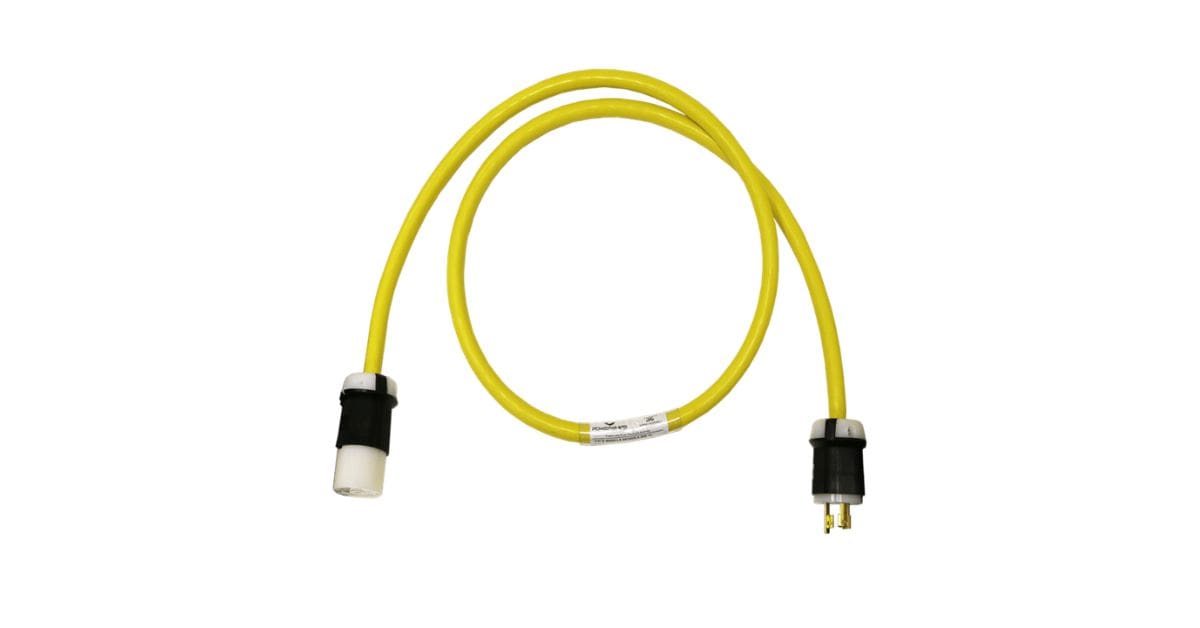
Dust, sand, metal shavings, and wood chips can act like sandpaper when wet. Shake the cord gently, then wipe it down with a dry rag to remove loose material before using a damp cloth. This step prevents grit from smearing across the jacket and helps you spot abrasion faster. It also prevents slurry buildup around strain reliefs, where damage likes to hide and grow.
Clean With Mild Methods That Preserve the Jacket
Use a damp cloth and mild soap for routine cleaning, focusing on lifting grime rather than scrubbing aggressively. Harsh solvents can degrade the jacket, blur markings, and leave residue that later attracts dirt. If you need a brush, keep it soft and use it only where buildup is stubborn. The goal is to clean without creating fresh wear, especially along high-flex sections near the ends.
Clean and Dry the Cord
Cleaning is not just cosmetic, and drying is not optional. A cord that is returned to a bin, even if damp or dirty, is more likely to deteriorate, hide defects, and cause connector issues during the next use.
Wipe Methodically From End to End
Work in sections from one end to the other so you do not miss areas or re-contaminate what you just cleaned. As you wipe, feel for texture changes like sticky spots, soft patches, or rough areas that could indicate chemical exposure or heavy abrasion. Pay close attention around corners and pinch points, since those sections often take the most abuse.
Dry Fully Before Coiling and Storing
Lay the cord out straight or in loose loops, and allow it to air dry completely before coiling. Tight coils trap moisture, which can linger inside loops, especially in a closed truck bed or gang box. Skip heaters and high-heat blowers because excess heat can soften the jacket and accelerate aging. If you need speed, use airflow like a fan and keep the cord spread out.
Confirm Connectors Are Clean and Dry
After the jacket is dry, wipe plugs and connector housings again and confirm there is no moisture in recessed areas. Look for gritty residue that can interfere with fit and contact quality, especially on locking styles. Moisture and contamination at the connector can lead to poor contact and overheating under load. A quick final wipe and visual check reduces the chance that the next use starts with an invisible problem.
Inspect the Cord
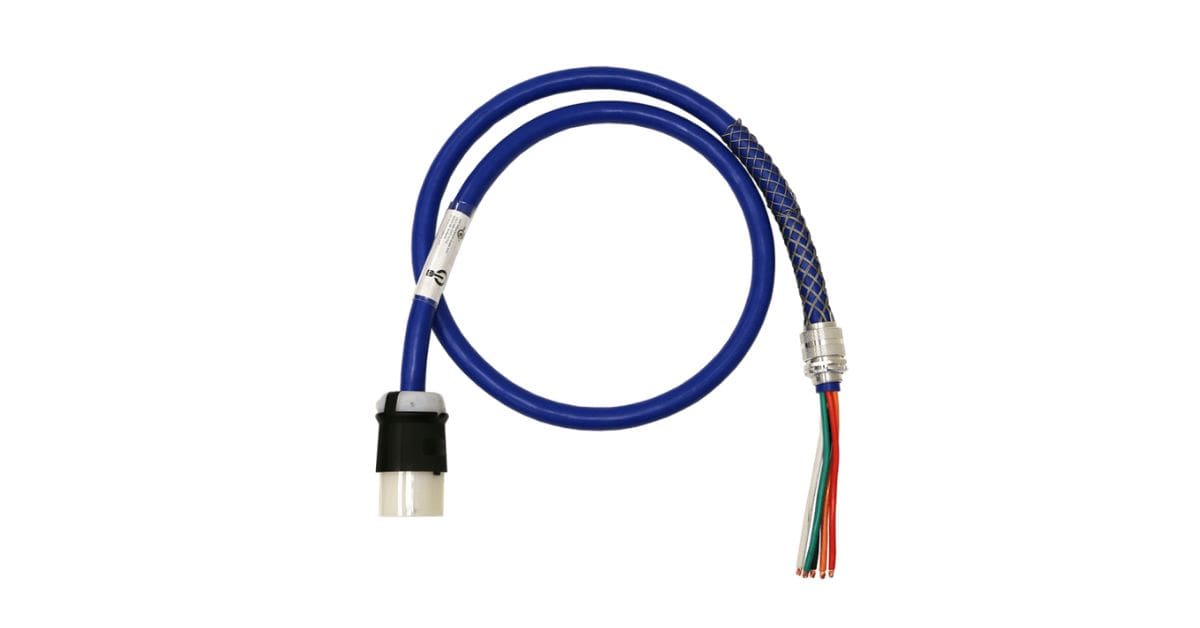
Inspection is where you decide if the cord is safe, repairable, or ready to retire.
Evaluate the Jacket
Run your hand along the length and look closely for cuts, deep scrapes, and areas that appear flattened or misshapen. A crushed cord can have internal conductor damage even if the outer jacket looks mostly intact. Treat flattened spots, unusually thin areas, or rigid sections as red flags that require removal from service. If the cord shows visible jacket separation or cracking, it should not be returned to rotation.
Check Terminations
Examine strain reliefs for cracks, separation, or movement where the cord enters the plug or connector. Look for discoloration, warping, or glossiness that can signal heat damage, and pay attention to any burnt odor, even if marks are subtle. Confirm that blades and contacts are straight, clean, and secure, as bent or loose components can cause resistance and overheating. If you see melt damage, the decision is immediate: tag it out.
Use a Controlled Flex Check
Gently flex the cord along its length and feel for kinks, lumps, or hard sections that do not match the rest of the jacket. Changes in flexibility can point to internal damage from pinching, repeated bending, or crushing. Watch for jacket cracking during normal flex, which often indicates aging, UV exposure, or chemical damage.
Keep Your Power Reliable
When portable power is part of the day, cord care is part of the work, and it deserves the same discipline you bring to tools and PPE. A consistent clean-and-check routine helps you spot damage early, prevent overheated connectors, and keep crews moving without surprise failures. Knowing how to clean and inspect SOOW cords after use ensures reliability and safety, keeping your power supply consistent from one site to the next.
Need to replace cords? Electrol Powerwhips offer an SO electrical cord solution that supports the same safety-first routine you use when cleaning and inspecting cords after every shift. Our assemblies are built for heavy-duty use and feature robust external cord grips to maintain secure terminations. Contact us today and keep your systems reliable.