
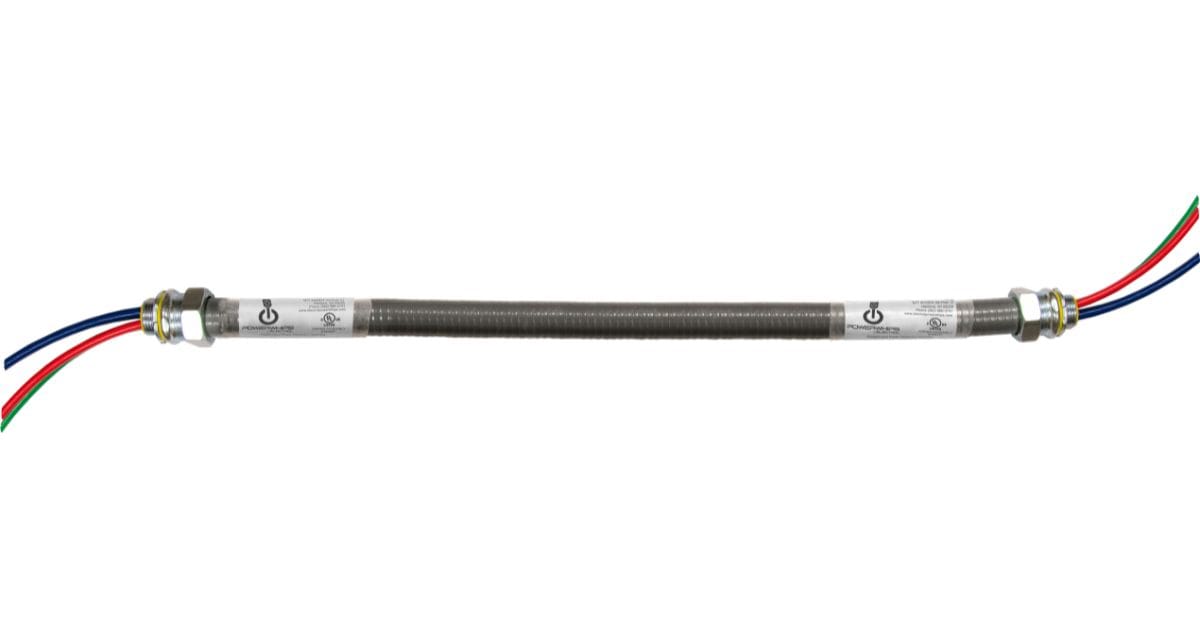
Preventing arc flashes requires thorough planning, precise installation, equipment compatibility, and a clear understanding of facility power distribution. Even minor oversights in cable selection, routing, or connection can pose greater safety risks over time.
Read on as we break down how to prevent arc flash through proper power whip use and explore how the right approach can help reduce avoidable electrical hazards while supporting reliable, mission-critical power distribution for your facility.
Better Power Distribution Planning
Arc-flash events occur when electrical current leaves its intended path and travels through the air between conductors or to ground. The result can be violent, fast, and destructive. While upstream equipment design, overcurrent protection, and maintenance programs all play a role, distribution-level installation choices matter more than many teams realize.
A power whip should enable safe, organized, and code-compliant connections that minimize loose terminations, damaged insulation, and rushed field modifications.
What a Power Whip Can and Cannot Do
A power whip alone does not eliminate arc-flash risk or replace proper system design, lockout/tagout, or PPE. It also does not alter the performance of upstream switchgear, panelboards, or protective devices.
What it can do is help create a more controlled installation. A properly specified and correctly installed assembly supports consistent connections, predictable routing, and less field improvisation.
Engineered Assemblies Reduce Field Guesswork
Field-built solutions often introduce variation because lengths get adjusted on the fly, and terminations may be rushed. In contrast, prefabricated electrical assemblies support repeatability and help contractors execute with greater precision.
For facilities prioritizing uptime and safety, repeatability is a control measure. When the assembly matches the application, teams can focus on proper deployment and verification instead of correcting inconsistencies on-site.
Proper Specification Is the First Safety Decision
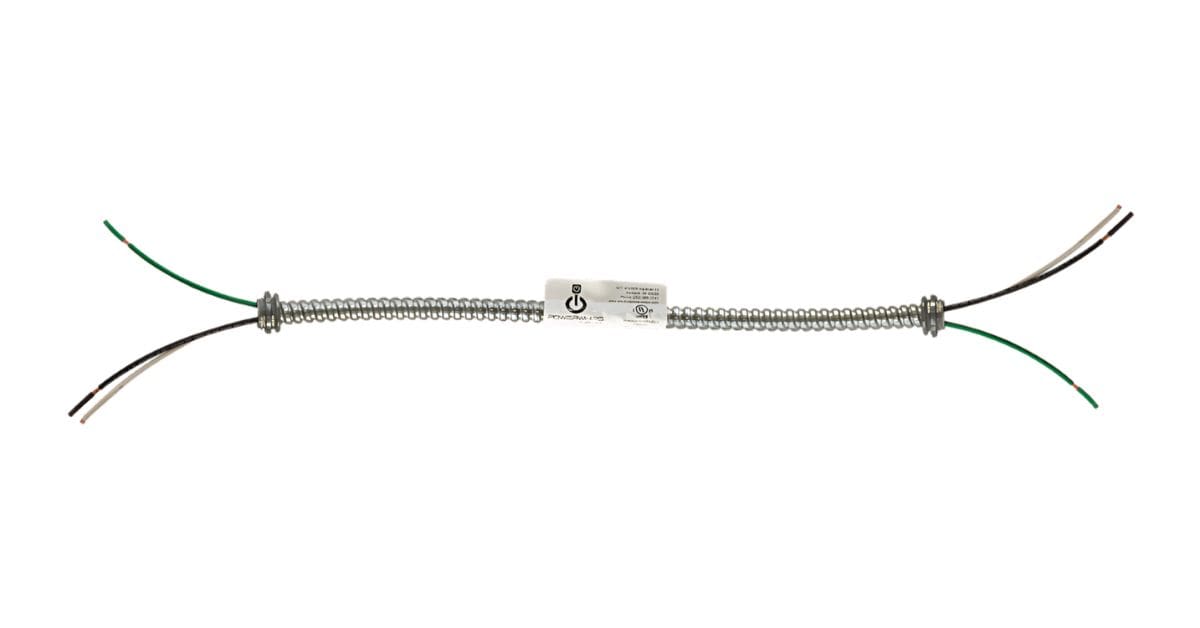
Preventing arc-flash exposure starts with specification, when teams define the electrical requirements, path, and environment. A mismatched whip introduces risk from the start, even if it first appears to fit.
The assembly should match the voltage, amperage, connector configuration, cable type, and intended use case. It should also reflect routing needs, bend requirements, and installation conditions. When any of those variables are guessed rather than confirmed, the risk of overheating at termination, insulation damage, or improper connections increases.
Match the Assembly to the Application
A power whip used in a data center or similar critical environment should never be treated as interchangeable with any other cord set or cable assembly. The correct selection depends on the equipment being served, the distribution method, and the site’s electrical design.
This is why experienced contractors and facility teams rely on manufacturer documentation and application-specific guidance when making decisions. The goal is to make power available through a controlled, durable, and properly matched connection that minimizes avoidable hazards.
Avoid Improvised Modifications in the Field
One of the fastest ways to undermine safety is to modify an assembly in the field without a clear engineering basis. Cutting, re-terminating, extending, or repurposing a whip may appear efficient in the moment, but those shortcuts can introduce hidden failure points.
When a team uses the wrong length, connector, or assembly type and then tries to adapt under schedule pressure, risk increases. Proper power whip usage means starting with the right product and resisting the urge to force a near match into service.
Installation Practices That Prevent Arc Flash
Even a well-designed power whip can become a liability if it is installed poorly. Safe performance depends on the details. Routing, terminations, support, bend radius, inspection, and final verification all influence whether the assembly performs as intended.
The best installations are methodical. They do not rely on assumptions, memory, or visual approximation. They rely on documented procedures, qualified personnel, and careful attention to the connection points where failures are most likely to begin.
Protect Terminations from Mechanical Stress
Terminations deserve special attention because many electrical problems begin at the connection point. If the whip is under tension, sharply bent near the termination, or forced into position, the resulting stress can compromise the integrity of the connection over time.
Proper routing and support help prevent that. Installers should ensure the assembly is not carrying a mechanical load it was never designed to handle. A neat run is not just about appearance. It is part of preserving conductor integrity and long-term connection reliability.
Maintain Clear, Orderly Cable Routing
Disorganized cable routing can complicate maintenance, slow troubleshooting, and increase the chance of accidental damage during future work. By contrast, orderly routing makes inspection easier and helps teams identify wear, interference, or abnormal conditions before they become serious.
In facilities where uptime and safety are both priorities, visibility is crucial. Having clean, intentional electrical pathways allows technicians to work more confidently and with less exposure to avoidable surprises.
Verify Connections Before Energization
A whip should never be assumed safe simply because it is installed. Before energization, teams should confirm compatibility, torque requirements, connection security, routing integrity, and overall installation quality in accordance with applicable procedures and manufacturer guidance.
This final check is often where preventable mistakes are caught. Skipping it to save time is never worth the risk!
The Role of Inspection and Ongoing Maintenance
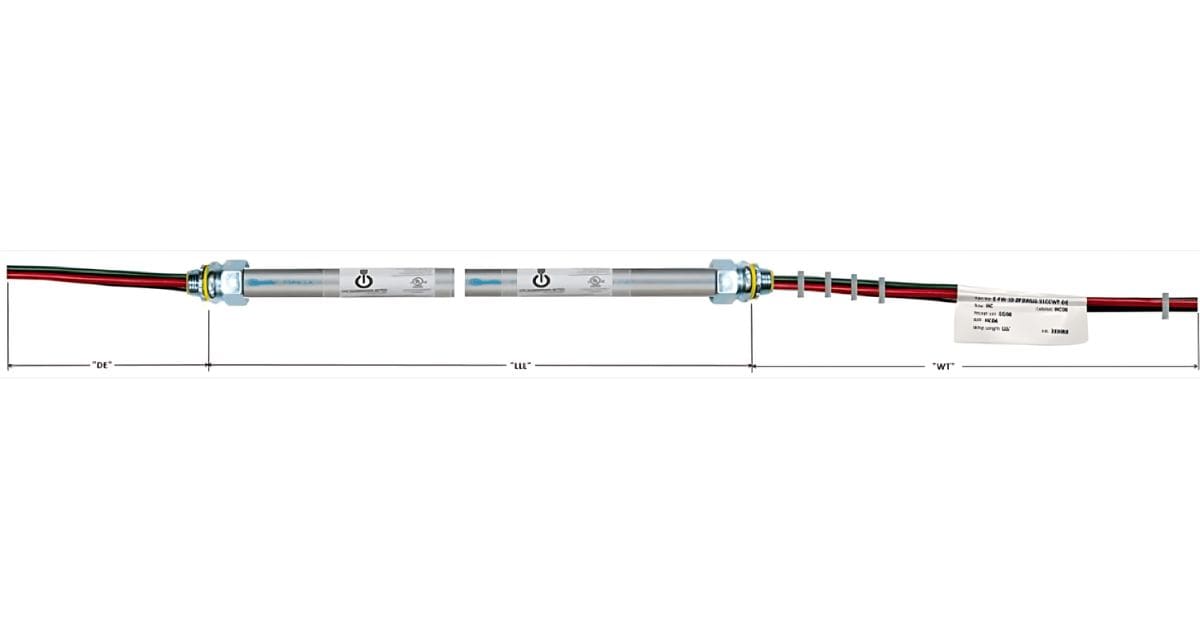
Arc flash prevention is not a one-time event. It is an ongoing process that depends on regular inspection and a culture of electrical discipline. Once a whip is installed, it still needs to be monitored as part of the broader maintenance strategy.
Over time, facilities change. Equipment gets moved, and access paths shift. Any of those changes can affect the condition of an installed assembly, especially if it is repeatedly handled or subjected to mechanical interference.
Building a Safer Electrical Strategy
Preventing arc flash requires more than compliance language. It requires disciplined choices at every stage, from design and specification to installation, inspection, and maintenance. Preventing arc flash with proper power whip usage starts by reducing guesswork, supporting cleaner installations, and helping teams avoid preventable connection issues that can contribute to electrical faults.
Electrol Powerwhips offer a wide range of power whip cable options that support organized, reliable, and safety-conscious power distribution in demanding environments. For facilities focused on reducing avoidable hazards and improving long-term performance, the right cable assembly is an important part of a stronger electrical strategy. Contact us today to discuss the best solution for your organization and identify the right fit for your power distribution needs.