
Modern infrastructure depends on speed, scalability, and uptime, but none of those priorities reduces the need for consistency. If anything, the growing complexity of electrical systems makes standardization even more important across data centers, commercial buildings, industrial facilities, and other mission-critical environments.
Read on and explore why NEMA standards still matter for modern infrastructure today. These standards are practical guidelines for anyone responsible for specifying, installing, or maintaining reliable power distribution today.
Why Standardization Still Has a Place Today
Advanced infrastructure may be smarter and more connected than ever, but it still depends on components working together as intended. That only happens when manufacturers, engineers, contractors, and facility teams operate from the same set of expectations. Standards help create that shared understanding.
Without standardization, even common electrical decisions become less predictable. Product selection gets murkier, compatibility becomes harder to confirm, and long-term maintenance becomes more complicated than it needs to be.
Modern Infrastructure Is More Complex
As facilities expand and technologies evolve, electrical environments rarely become simpler. Power distribution systems now support denser equipment loads, tighter uptime requirements, and more phased expansions.
Rather than hindering innovation, standards support modern progress by helping teams make informed choices and reducing confusion throughout design, installation, and upgrades.
What NEMA Standards Actually Do
NEMA standards do far more than assign familiar names to devices and configurations. They help define dimensions, construction, performance, ratings, testing, and the service conditions for which products are designed. That structure gives the market a common technical language.
For today’s infrastructure, this shared language matters more than ever. It brings predictability to how products work together and gives buyers confidence in component selection.
They Support Product Clarity
Clear standards make it easier to compare products and understand what a specific configuration or classification actually means. That is crucial during specification, but it also matters later when maintenance teams need to replace or verify components in the field.
They Reduce Misunderstandings
Projects move more smoothly when everyone is working from the same technical baseline. Standards help reduce misunderstandings between manufacturers, purchasers, installers, and operators. In large or mission-critical environments, that kind of clarity can prevent costly delays and avoidable errors.
Why Interchangeability Still Matters
Infrastructure operators do not just need equipment that performs well in isolation. They need products that fit into larger systems without creating uncertainty. Interchangeability remains one of the most practical reasons NEMA standards still matter.
When electrical devices follow recognized dimensional and configuration standards, teams can specify, install, and replace the components more confidently.
Consistent Dimensions
Dimensional consistency is not just a convenience. It affects whether products physically mate as expected and whether replacements can be sourced without unnecessary complications. In fast-moving environments, reducing field guesswork saves time and helps avoid improper substitutions.
Repeatability Supports Multi-Site Operations
Many organizations manage power distribution across multiple facilities. Standards make it easier to maintain a repeatable approach across sites. That supports smoother procurement, more consistent installations, and easier maintenance over time.
Safety Still Depends on Clear Standards
Safety is another major reason NEMA standards remain relevant. Electrical systems do not become safer simply because they are newer or more advanced. They still require products that are properly rated, properly matched, and appropriate for their intended environments.
Standards help define those expectations. They provide a more reliable basis for evaluating whether a product is suitable for the conditions it will face in actual use.
Application Matters as Much as Compatibility
A product may appear to fit, but that does not mean it is the right choice for the application. Standards help teams look beyond surface-level compatibility and focus on factors such as ratings, performance, and environmental protection.
That distinction matters in modern infrastructure, where even minor specification errors can affect uptime, maintenance requirements, and long-term reliability.
Enclosure Classifications
NEMA enclosure types remain important because infrastructure still relies on protecting electrical equipment from its surroundings. Whether the concern is dust, moisture, incidental contact, or more demanding site conditions, enclosure selection remains a direct factor in equipment protection.
As facilities become more advanced, the need for proper environmental protection remains. In many cases, it becomes even more important because sensitive equipment depends on stable operating conditions.
NEMA Standards Continue to Evolve
Another reason NEMA standards still matter is that they are not static. They are maintained and updated as technologies, products, and applications evolve. That ongoing development helps standards remain useful in a changing market.
Facilities need current guidance, not outdated assumptions. The continued maintenance of NEMA standards helps support that need for relevance.
They Reflect Current Industry Needs
Standards that remain in active use do so because the industry still depends on them. Their continued revision shows that standardization remains part of how the electrical market adapts to change while preserving clarity and consistency.
Infrastructure planning is never only about today. Facilities need systems that can scale, adapt, and remain serviceable over time. Standards help support that growth by giving teams a stable framework for future expansion and replacement decisions.
What This Means for Modern Power Distribution
For anyone responsible for electrical infrastructure, the takeaway is straightforward. NEMA standards still matter because they support compatibility, safety, repeatability, and clearer decision-making. Those needs have not disappeared. Instead, they have become more important as electrical systems have grown more demanding.
That is especially true in environments where uptime, serviceability, and disciplined installation practices all affect long-term performance. Standardization helps reduce uncertainty and supports a stronger foundation for reliable power distribution.
A Stronger Framework
When teams use recognized standards to guide product selection and system planning, they create a more controlled process. That leads to clearer specifications, smoother installations, and more consistent maintenance practices.
Why NEMA Standards Still Deserve Attention
Infrastructure may look very different from what it did years ago, but the need for shared electrical expectations remains. Standards still provide the structure that helps modern systems stay usable, scalable, and reliable across changing conditions and growing demands.
That is the practical answer to why NEMA standards still matter for modern infrastructure. They continue to support the clarity and consistency that modern facilities need to perform with confidence.
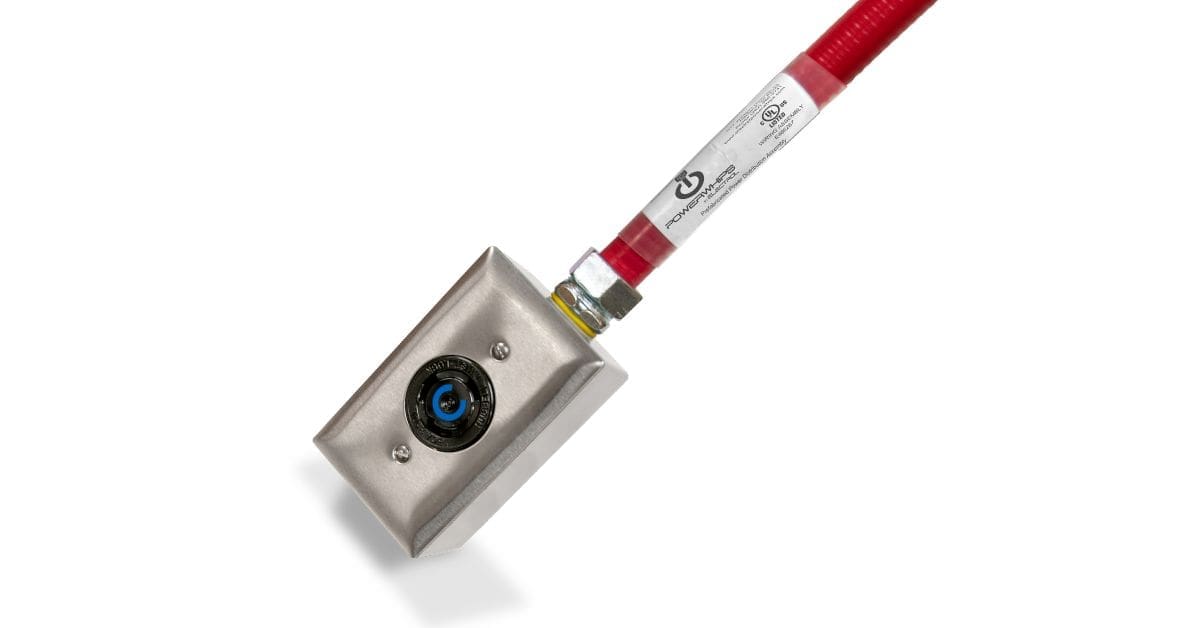
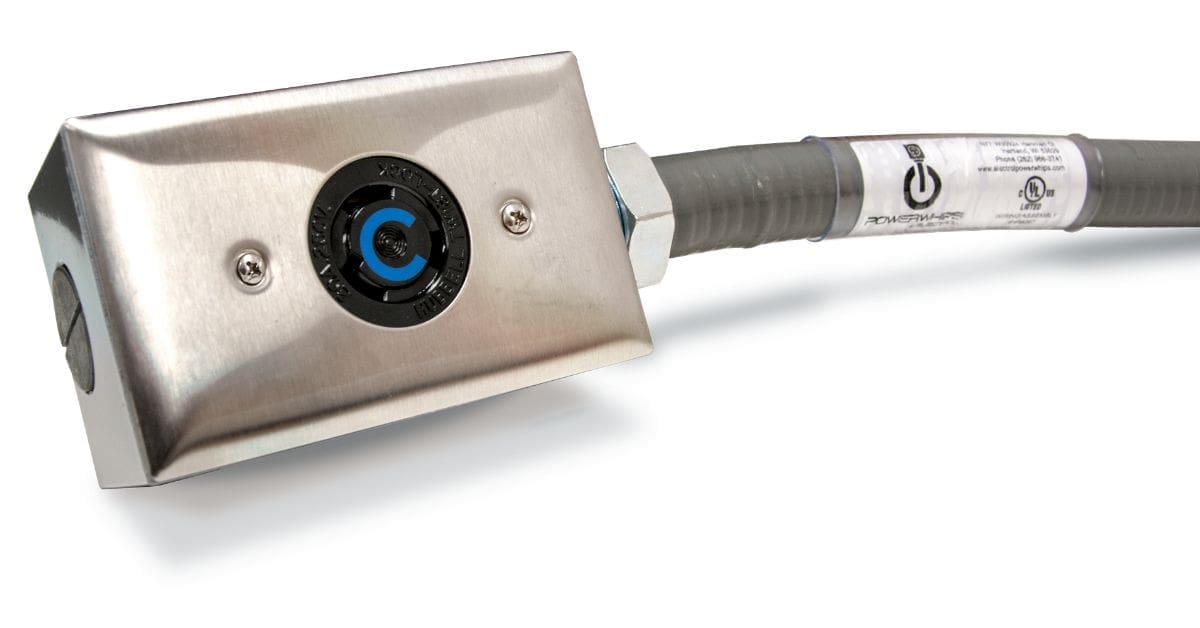
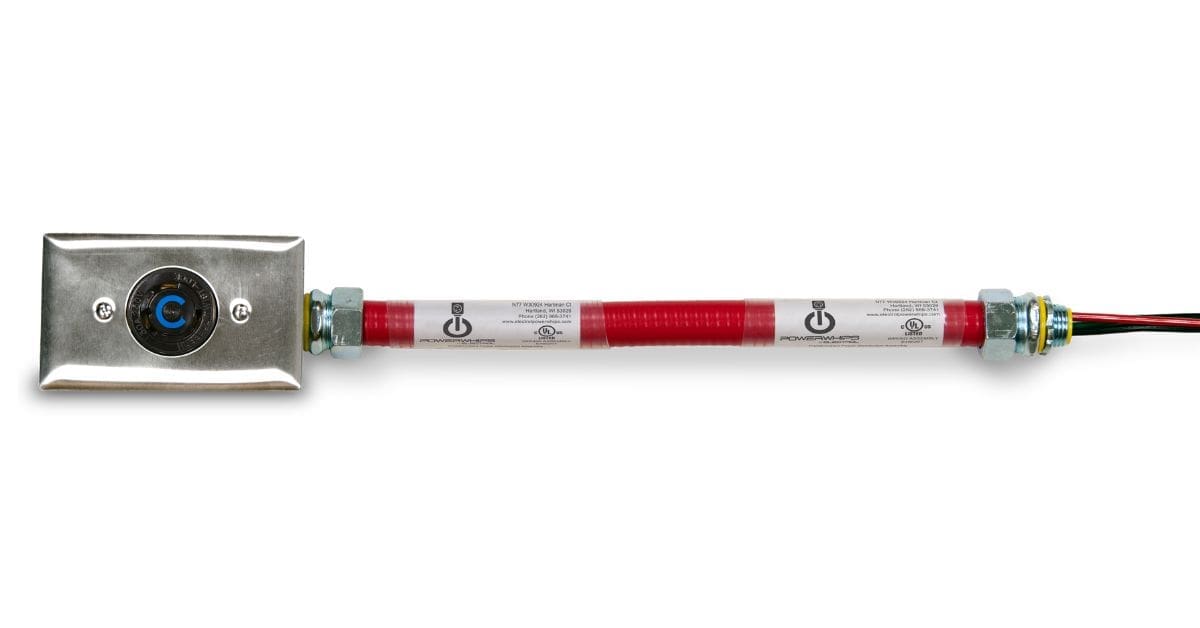
Electrol Powerwhips offer NEMA cable options that are designed and tested to meet industry standards, ensuring reliable performance in modern infrastructure. In environments where compatibility, safety, and consistency matter, the right cable assembly plays a key role in maintaining a more reliable power distribution system. Contact Electrol Powerwhips today to find the right solution for your operational needs.