
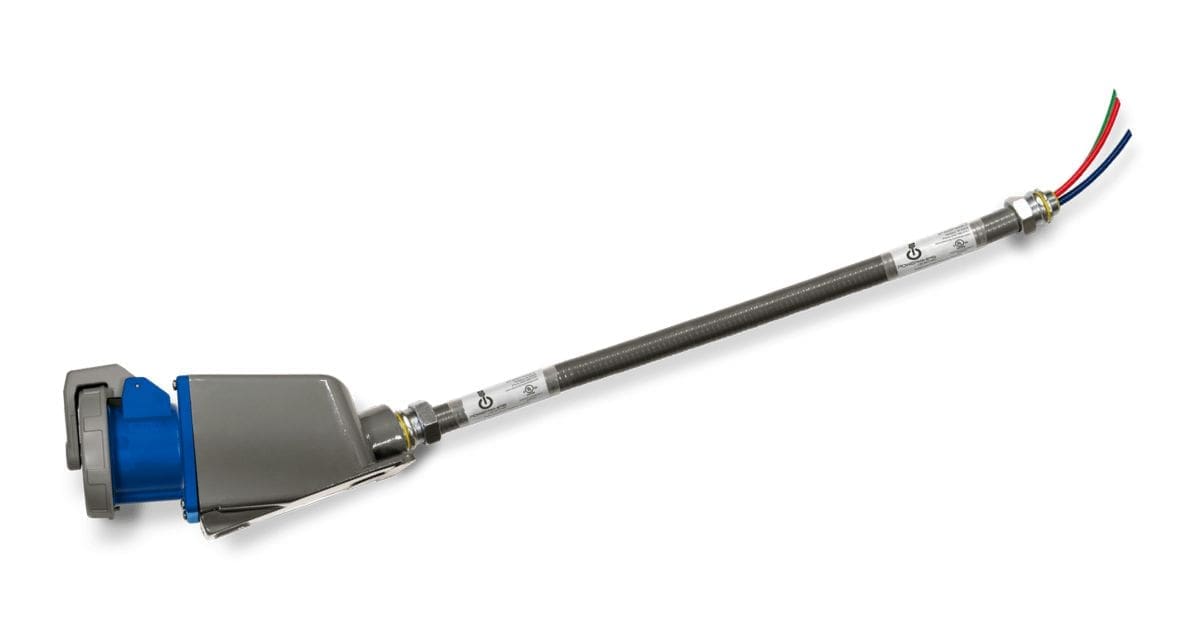
Moisture ingress remains one of the most persistent threats to electrical reliability in industrial and outdoor environments. Water intrusion does not just affect performance; it creates real safety risks that can escalate quickly if left unaddressed. Preventing moisture ingress with IEC one-piece housings becomes a critical consideration for facility managers and engineers working with infrastructures in demanding environments.
Read on and uncover why the right housing design plays a direct role in maintaining seal integrity and supporting consistent power distribution in harsh conditions.
Why Moisture Ingress Still Causes System Failures
Moisture does not need a large opening to cause damage, and even minor exposure can lead to long-term issues. Water can enter through cable entry points, worn seals, improperly closed covers, or microscopic gaps caused by mechanical stress. Once inside, it can lead to corrosion, tracking, insulation breakdown, and eventual equipment failure. These risks increase in environments where connectors are repeatedly exposed to wash-down procedures, outdoor elements, or fluctuating temperatures.
What Makes One-Piece Housings Different
IEC one-piece housings eliminate joints and assembly points that often become weak spots in multi-part designs. By forming the housing as a single, continuous structure, manufacturers reduce the likelihood of water entering through entry points. This design approach supports consistent sealing performance across the entire connector body. It also simplifies installation by minimizing alignment issues that can occur with multiple components.
Fewer Seams Mean Fewer Failure Points
Each seam or joint in a traditional housing creates an opportunity for moisture to penetrate. One-piece designs remove that vulnerability by maintaining structural continuity. This becomes especially important in environments where connectors are subject to physical stress or frequent handling. The result is a more reliable barrier against moisture over time.
Matching IP Ratings to Real-World Conditions
Selecting the correct ingress protection rating is not a formality; it directly impacts performance in the field. IEC 60309 connectors typically align with IP44, IP67, or higher ratings depending on the application. However, each rating reflects a different level of exposure and requires careful consideration based on actual site conditions. Choosing incorrectly can undermine even the best housing design.
IP44 Works Only in Controlled Conditions
IP44-rated connectors perform well in environments where water exposure remains limited to splashes. They are suitable for indoor industrial settings where direct water contact is unlikely. However, they do not provide sufficient protection for outdoor or wash-down applications. Using them outside their intended environment introduces unnecessary risk.
IP67 Supports Outdoor and Wash-Down Applications
IP67-rated connectors offer protection against temporary submersion and sustained exposure to water. This makes them more appropriate for construction sites, outdoor installations, and areas with routine cleaning. One-piece housings enhance this rating by maintaining seal integrity under real-world conditions.
Critical Design Features That Prevent Moisture Entry
Effective moisture protection depends on more than the housing alone. In most demanding environments, several integrated features work together to create a complete barrier against water intrusion. When these features align with a one-piece housing design, they provide a more consistent level of protection.
- Neoprene or elastomer gland seals that secure the cable entry point tightly
- Gasketed covers that maintain closure when the connector is not in use
- Corrosion-resistant materials that preserve sealing surfaces over time
- Tight tolerances that prevent micro-gaps between components
- Secure locking mechanisms that maintain consistent compression on seals
Each of these elements contributes to the overall ingress protection rating. When one component fails, the entire system becomes vulnerable, which is why integrated design matters more than isolated features.
Cable Entry Points Are a Common Weak Link
The cable entry point often becomes the most overlooked vulnerability in moisture protection. Even when the housing performs as intended, an improperly sealed cable gland can allow water to bypass the system entirely. Installers must ensure that gland seals match the cable diameter and are tightened to the correct specification. Over-tightening can damage the seal, while under-tightening leaves gaps.
Proper Fit Matters More Than Speed
Rushed installations frequently result in mismatched or loosely secured cable entries. Over time, movement and vibration can worsen these issues and create direct paths for moisture. One-piece housings help reduce other vulnerabilities, but they cannot compensate for poor cable sealing.
The Role of Materials in Moisture Resistance
Material selection directly affects a connector’s resistance to moisture over time. Industrial environments often expose connectors to chemicals, UV radiation, and temperature fluctuations that can degrade weaker materials. High-quality housings use materials like polyamide or durable thermoplastics that maintain structural integrity under stress. These materials also support consistent sealing by resisting deformation.
Corrosion Resistance Preserves Seal Integrity
Moisture intrusion often begins when corrosion compromises sealing surfaces or contact points. To help prevent this degradation, industries use nickel-plated brass contacts and corrosion-resistant housings. Maintaining clean, stable surfaces also ensures that seals remain effective over repeated use.
Gasketed Covers and Closure Systems
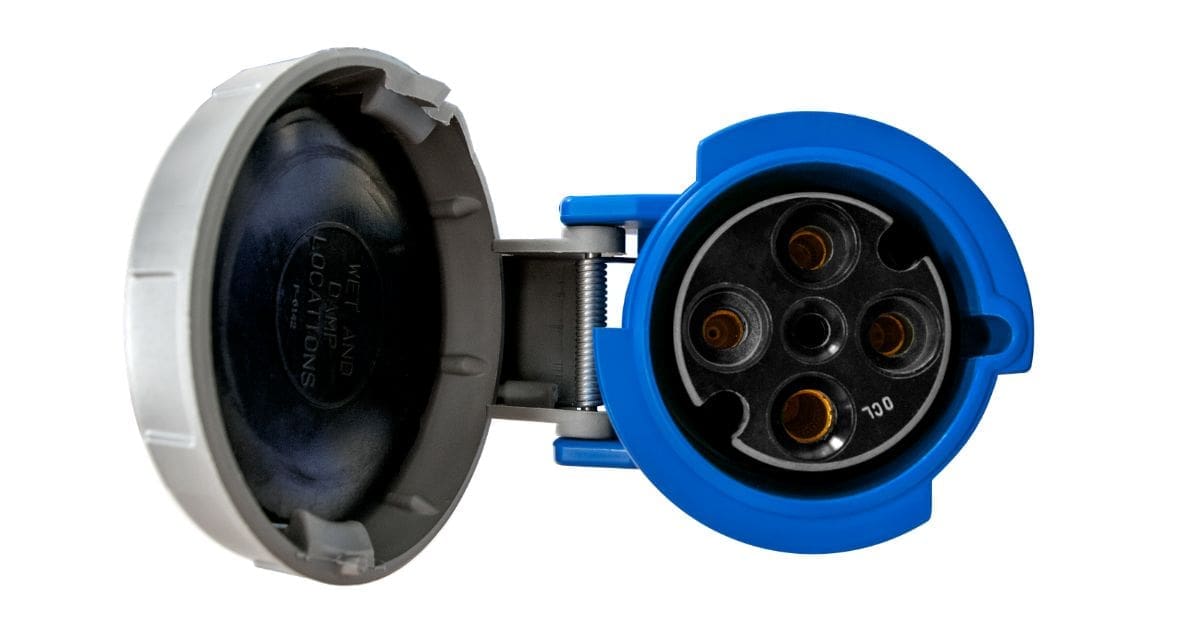
Covers play a larger role in moisture protection than many teams realize. A properly designed gasketed cover prevents water from entering the receptacle when it is not in use. Additionally, spring-loaded mechanisms ensure consistent closure without relying on manual positioning, reducing the chance of human error compromising the seal.
Consistent Closure Prevents Exposure
In busy environments, connectors are often left exposed between uses. A reliable closure system ensures that the receptacle remains protected even when unattended. One-piece housings support this function by providing a stable mounting surface for the cover and gasket. That consistency helps maintain protection across repeated cycles.
Mechanical Interlocks Add Another Layer of Protection
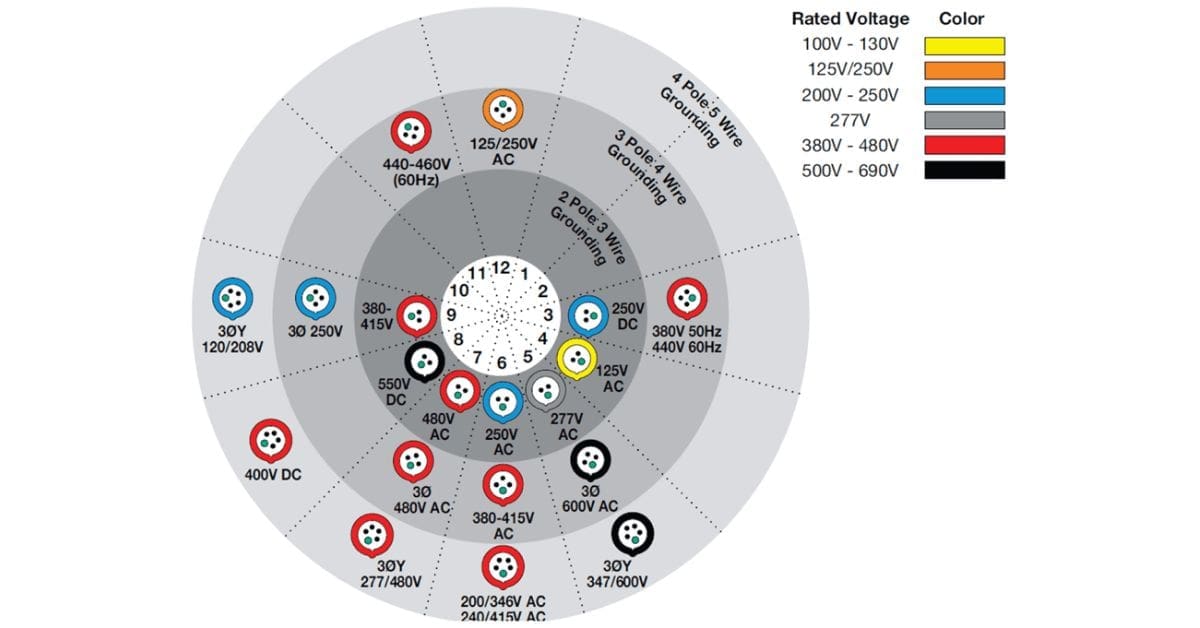
In wet or hazardous environments, mechanical interlocks provide an additional safeguard. These systems prevent insertion or removal of the plug under load, reducing the risk of arcing in the presence of moisture. While they do not directly stop water ingress, they reduce the consequences of exposure, making them valuable in high-risk applications.
Safety and Moisture Protection Work Together
Moisture ingress and electrical hazards often intersect in real-world conditions. Addressing one without considering the other leaves gaps in the overall safety strategy. That is why mechanical interlocks complement one-piece housing designs by supporting safer operation in challenging environments. Together, they create a more controlled electrical system.
One-Piece Housings Support Modern Infrastructure
Modern infrastructure demands reliability in environments that are only becoming more demanding. Connectors must perform consistently under stress, from outdoor installations to wash-down areas. If your organization is focused on durability, safety, and performance, housing design should be part of a broader strategy to control environmental exposure and maintain consistent power delivery.
One-piece housings provide a practical solution by reducing failure points and supporting long-term seal integrity. For facilities that cannot afford unnecessary risk, preventing moisture ingress with IEC one-piece housings is a practical solution that supports long-term seal integrity.
Electrol Powerwhips offers an IEC 60309 receptacle designed to withstand the harshest environments, where moisture, contamination, and demanding operating conditions can threaten long-term performance. The right receptacle design plays an important role in supporting a safer operation and promoting more reliable power distribution. Contact Electrol Powerwhips to discuss the best solution for your system today.