
Three-phase systems demand more than a visual check before startup. A cable can appear properly installed and still contain a rotation issue or insulation weakness that can cause serious problems once the system goes live. That is why analyzing phase rotation and insulation resistance testing remains essential for disciplined commissioning and maintenance work. These two tests reveal different kinds of risk, and both deserve close attention before the equipment enters service.
Why These Tests Deserve a Closer Look
Phase rotation testing confirms the phase order in a three-phase system. Insulation resistance testing measures how well insulation prevents unwanted current flow. One test verifies functional operation, the other assesses material condition. Together, they help technicians detect problems that might otherwise go unnoticed until startup.
They Solve Different Problems
A phase sequence issue can cause motors, pumps, and fans to rotate in the wrong direction. An insulation problem can allow leakage current, accelerate degradation, and raise the risk of failure under load. These are not overlapping concerns, and one test cannot replace the other. Good analysis starts with understanding what each test actually proves.
What Phase Rotation Testing Tells You
Phase rotation testing verifies that a three-phase supply follows the intended sequence. This is critical because connected loads, especially motors, respond directly to that sequence. If the order changes, so does rotation, which can quickly turn a startup into a troubleshooting situation.
Wrong Rotation Creates Operational Problems
This issue goes beyond a motor simply spinning backward. A pump can move fluid in the wrong direction, a fan can pull air in the wrong direction, and a compressor can operate outside its intended conditions. Those errors can reduce performance or damage connected equipment. That is why phase rotation testing should be done before energization, not after a failed startup.
Testing More Than One Location
Many technicians verify rotation at the source and assume the rest of the system matches. That assumption creates risk on larger installations with multiple panels, receptacles, and branch connections. A phase sequence can change somewhere between upstream distribution and the final point of use. Verifying at critical connection points gives a much more reliable picture of actual field conditions.
What Insulation Resistance Testing Reveals
Insulation resistance testing focuses on the health of the insulation system. It helps identify whether insulation has absorbed moisture, collected contamination, deteriorated with age, or suffered mechanical damage. The equipment may still power on, but that does not mean the insulation remains sound. Poor reading often indicates a condition that requires attention before commissioning or continued service.
Moisture and Contamination Skew Results
This test becomes especially valuable when equipment has been stored, traveled through uncontrolled conditions, or operated in dirty or humid environments. Moisture does not need to pool visibly to affect insulation performance. Fine contamination on cable jackets, terminals, or internal surfaces can also pull readings down. That makes insulation resistance testing particularly useful when the installation environment is less than ideal.
Why These Tests Work Better Together
These tests complement each other by addressing different questions. Phase rotation determines if the system will operate in the intended direction. Insulation resistance assesses whether the insulation can support reliable service without excessive leakage. Passing one test does not guarantee passing the other, so both are necessary for thorough commissioning.
Startup Problems Often Come From Overlooking One Side
A team may confirm correct voltage and phase presence, then skip sequence verification, resulting in reversed motor operation. Another team may verify rotation, then energize a cable assembly with moisture-compromised insulation. In both cases, the startup problem came from incomplete testing, not from a lack of effort. Complete verification requires both operational and condition-based checks.
Where Phase Rotation Analysis Gets More Specific
Good phase rotation analysis should connect the reading to the actual load. It is not enough to say the sequence looks correct at one point in the system. The technician should ask whether the reading was taken at the exact connection feeding the motor, whether temporary wiring altered the path, and whether similar loads elsewhere need a matching sequence. That level of specificity prevents errors from spreading across the project.
Replacements and Rework
Phase rotation issues often surface after repairs, equipment replacement, or re-termination work. A single conductor swap during reconnection can change the sequence even when everything else appears correct. That is why retesting after rework is not redundant. It confirms that the repair restored the intended operating condition instead of introducing a new fault.
Where Insulation Resistance Analysis Gets More Useful
Insulation resistance testing becomes more valuable when technicians look beyond the single number. The stronger approach is to compare readings across phases, compare current results with past records, and ask what changed in the environment or in the installation history. A stable but slightly reduced reading tells a different story than a sharp drop from prior tests. Trend awareness turns the test from a snapshot into a maintenance tool.
Cable Assemblies Need Context-Specific Review
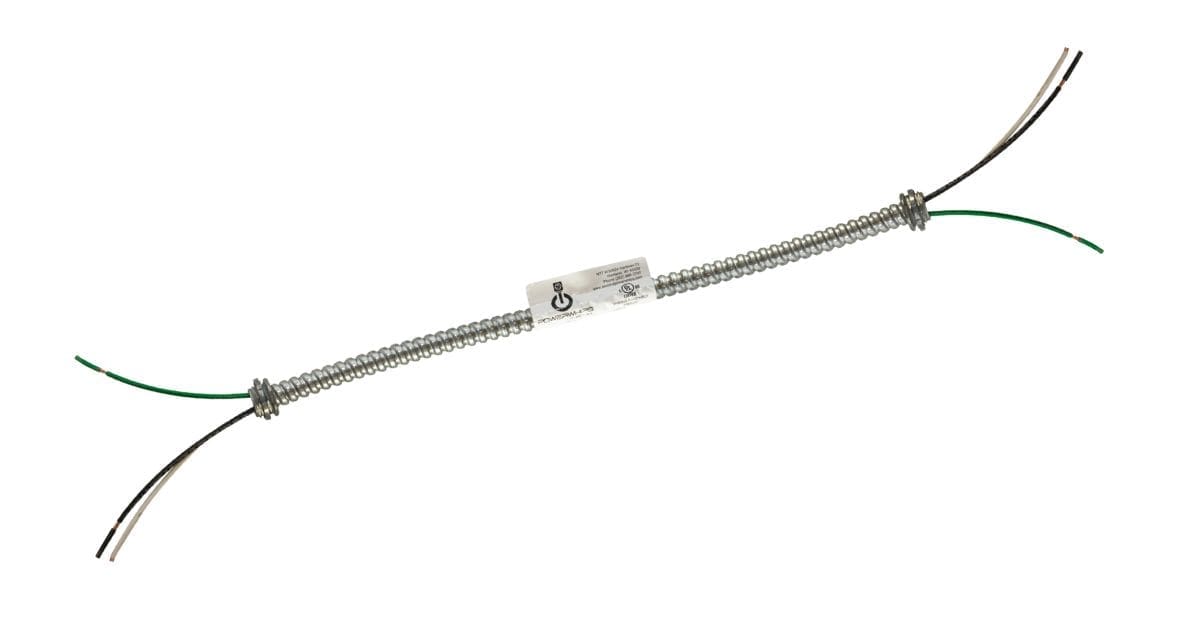
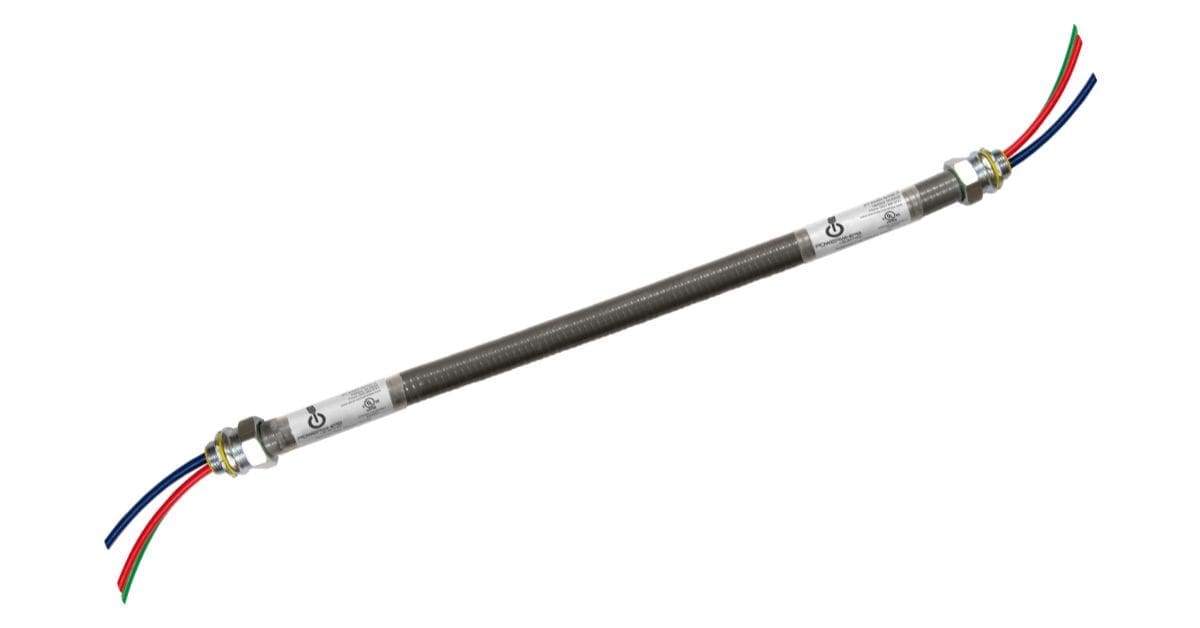
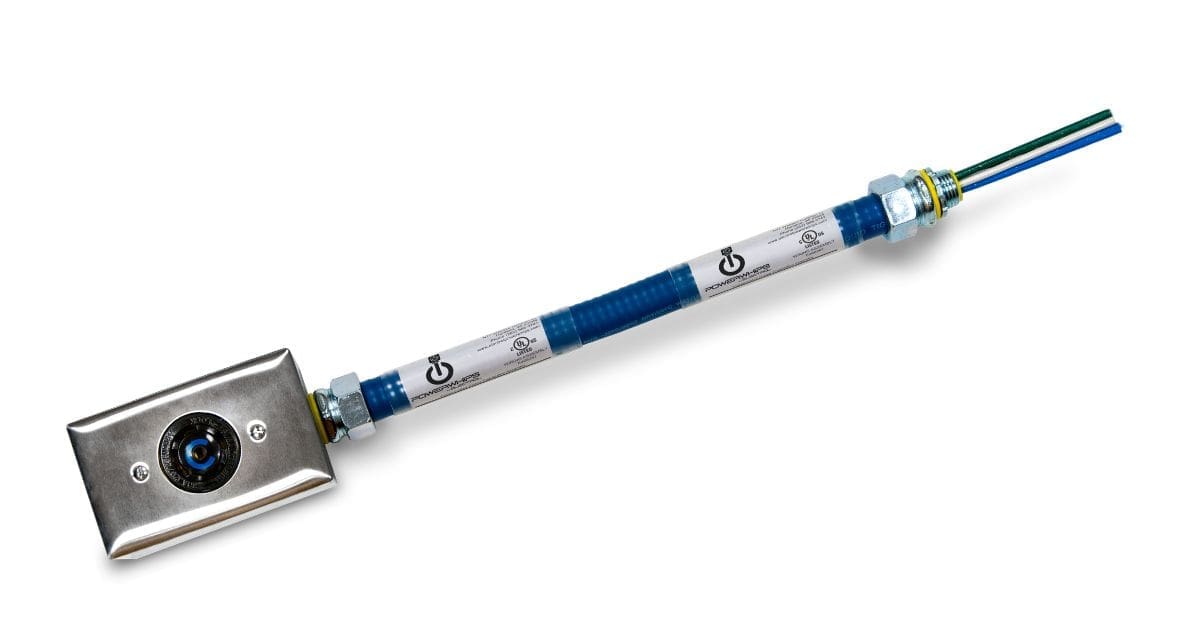
When testing cable assemblies, technicians should pay attention to storage history, routing conditions, and exposure points. A cable pulled through a wet area, bent tightly at termination, or stored in humid conditions deserves closer scrutiny. Generic testing routines miss that nuance, but good analysis does not.
Common Shortcuts That Undermine the Results
The most common mistake is treating either test like a checkbox. A quick reading without context does not provide meaningful analysis. Another common error is assuming that new equipment does not need insulation testing because it has never been energized. Shipping, storage, and handling can all affect insulation before startup.
Documentation Makes the Testing More Valuable
Technicians who document readings clearly create a stronger maintenance record for the next service interval. That record should identify the location, equipment, conditions, and result, not just the measurement itself. Without that detail, future comparisons lose value. With it, the team can spot changes much earlier and respond confidently.
What a Strong Testing Process Should Include
A disciplined process keeps the work precise and repeatable. The best testing workflows usually include a few critical habits:
- Verify phase sequence at the actual point of connection.
- Retest after repairs, reconnections, or conductor changes
- Use insulation resistance testing before startup and after questionable storage.
- Compare insulation readings against prior results whenever possible.
- Investigate unusual values before energizing the system.
Why Testing Is Crucial in Installations
Reliable power distribution requires more than delivering voltage. It depends on correct phase relationships, healthy insulation, and a testing process that identifies hidden problems before they affect operations. Analyzing phase rotation and insulation resistance helps prevent surprises, protect equipment, and ensure dependable commissioning.
Electrol Powerwhips offers electrical whips rigorously tested and designed to exceed industry standards, supporting dependable performance in environments where accuracy during commissioning and long-term reliability both matter. Contact Electrol Powerwhips today to discuss a solution that aligns with your operation and helps maintain consistent, reliable power distribution.