
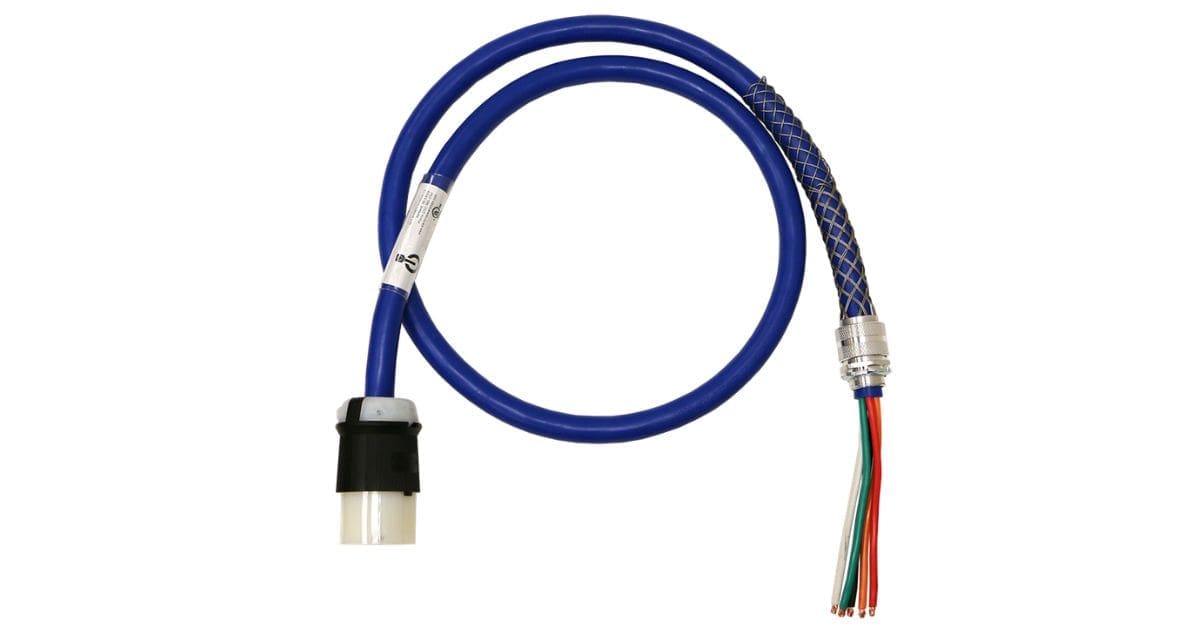
Modern power distribution relies on clear visibility rather than guesswork. While a cable assembly may appear reliable during installation, it can encounter challenges such as heat or fluctuating loads in operation. By integrating IoT technology for real-time cable monitoring, especially at points where stress often begins, facilities gain a much clearer understanding of potential risks. The right monitoring strategy lets teams spot early warning signs and address minor issues before they escalate into downtime.
Importance of Real-Time Cable Data
While traditional inspections remain valuable, they only provide a snapshot of cable condition at a specific moment. In reality, many cable issues develop between these scheduled checks, often near terminations, bends, joints, or high-load connection points. Real-time monitoring bridges this visibility gap by continuously tracking changes as they occur. As a result, facility teams gain a more accurate, ongoing understanding of cable health rather than relying solely on periodic checklists.
From Scheduled Maintenance to Awareness
Scheduled maintenance gives teams a dependable routine; however, condition-based monitoring delivers superior timing and responsiveness. With IoT-enabled systems, live sensor data can alert teams the moment conditions stray outside safe parameters. Electrical problems seldom wait for the next planned inspection. By detecting risks earlier, teams can respond proactively, minimizing disruption and maintaining greater control.
Timing Changes the Outcome
A technician might find a warm termination during a routine inspection, but real-time data can show when the temperature first began to rise. That detail helps connect the issue to a load change or recent maintenance work. It also gives teams a better sense of urgency. Not every alert requires an emergency response, but every credible alert deserves context.
What IoT Can Monitor in Cable Systems
The best monitoring strategy depends on the operating environment and the cable’s actual risk profile. A data center may need visibility into heat buildup near high-density power distribution points, while a wet or outdoor environment may require closer attention to moisture near cable entry points and receptacles. Industrial settings may also benefit from vibration or strain monitoring when movement affects cable routing.
IoT systems can monitor various conditions, including temperature, humidity, current fluctuations, vibration, and insulation-related activity. Each of these parameters reveals a unique aspect of the cable’s performance. For instance, temperature data can indicate resistance or overload issues, whereas moisture levels may highlight exposure that threatens long-term insulation integrity. Rather than collecting every possible data point, the aim is to focus on the most relevant signals for each application.
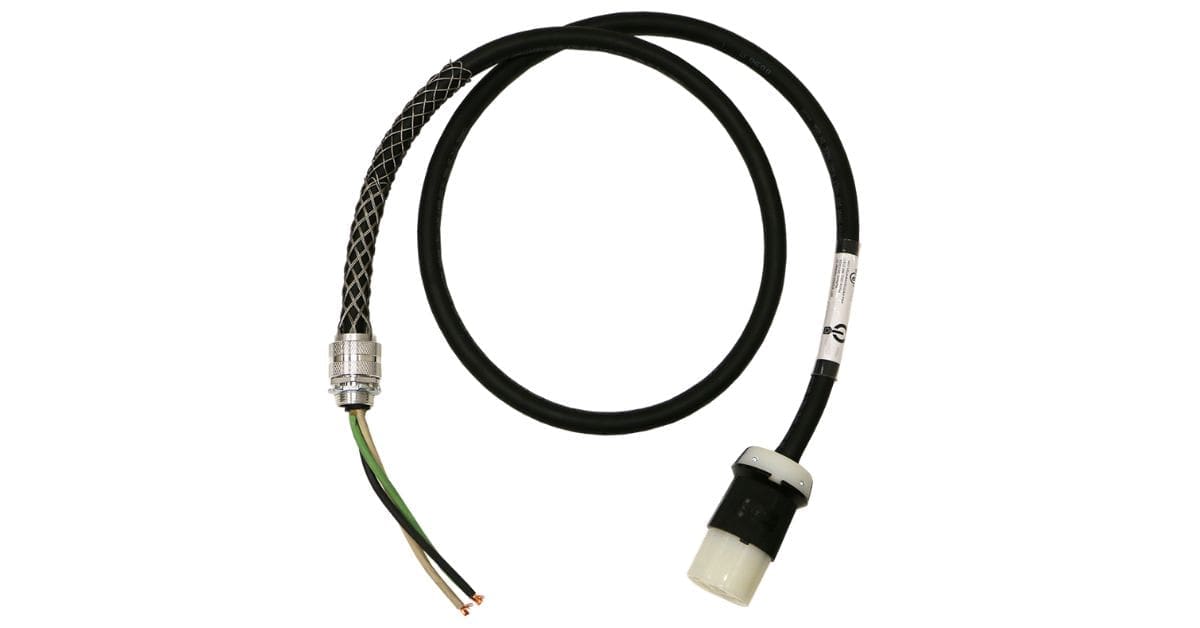
Temperature Trends Reveal Hidden Stress
Heat is often the earliest indicator that something needs attention. Issues such as loose connections, overloaded conductors, poor contact surfaces, or installation errors can all trigger localized temperature increases before any visible damage occurs. Real-time monitoring makes these trends easier to identify by revealing patterns over time rather than just isolated readings. For example, a gradual temperature rise over several days tells a very different story from a brief spike during peak load.
Load Context Matters
Temperature data needs context to mean anything. A cable that warms during a predictable demand period may operate normally, whereas one that heats up under a stable load warrants closer review. Teams should compare temperature changes against recent service work and ambient conditions. This prevents unnecessary alarms while keeping attention on the readings that truly suggest risk.
Moisture Monitoring Supports Longer Cable Life
Moisture often causes damage quietly before it becomes obvious. It can contribute to corrosion and weaken connection points in humid or wet environments. Real-time monitoring can help teams identify moisture exposure near cable ends, housings, entry points, and receptacles. That insight becomes especially valuable in outdoor, wash-down, marine, and high-humidity applications.
Turning Alerts Into Maintenance Decisions
IoT data is only valuable when teams know how to interpret and act on it. Before rolling out a monitoring system, facilities should define clear alert thresholds and escalation procedures. For instance, a temperature alert might prompt a load review or a termination inspection, while a moisture alert could trigger a seal check or a closer examination of cable entry points.
Avoiding Data Overload
More data does not necessarily lead to better maintenance. In fact, excessive alerts, especially those lacking meaningful detail, can cause teams to ignore the system altogether. Effective monitoring programs establish normal operating ranges and continuously refine these parameters as real-world data accumulates. Over time, this disciplined approach transforms raw sensor readings into actionable maintenance intelligence.
The Best Alerts Include Context
An effective alert clearly communicates where an issue has occurred and why it is crucial. It should specify the asset, condition, location, and likely concern, eliminating the need for teams to interpret ambiguous data. This level of clarity reduces troubleshooting time and helps teams quickly determine which problems require immediate action and which can be scheduled for routine maintenance.
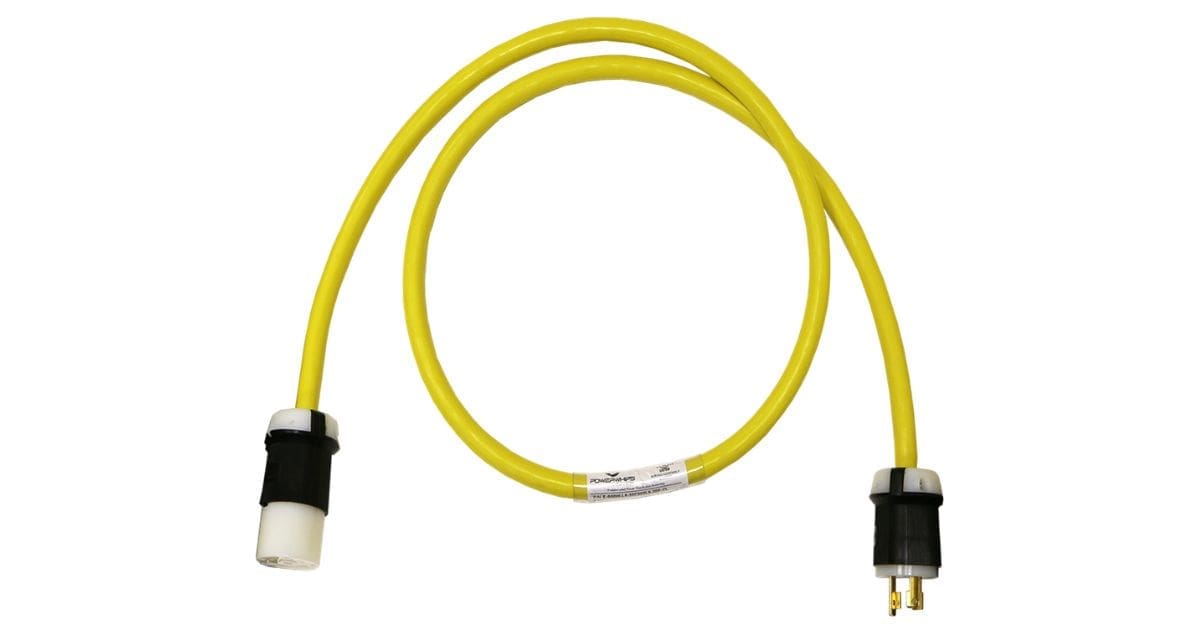
Why Cable Assemblies Need Smarter Visibility
Cable assemblies frequently operate in challenging environments where access is restricted, and uptime is paramount. Data centers, industrial facilities, temporary power installations, and harsh settings all benefit from earlier insight into cable stress. By integrating IoT for real-time cable monitoring, teams can observe how assemblies perform under real-world load and site conditions. This perspective enables better maintenance planning and smarter replacement scheduling.
Building A More Intelligent Power Strategy
Modern infrastructure requires power systems that maximize uptime and adapt to evolving needs. Real-time monitoring empowers teams to shift from reactive maintenance to proactive, informed decision-making based on live cable conditions. By approaching IoT integration with clear objectives and practical response plans, facilities gain more than just data. They gain a smarter, more reliable way to protect cable performance and ensure dependable power distribution, even in the most demanding environments.
Electrol Powerwhips offer an SO Cord built to maintain a reliable connection in demanding environments where continuous operation can challenge cable performance. As facilities adopt smarter monitoring strategies, the right cord helps support cleaner power distribution and gives teams more confidence in the systems they depend on every day. Contact Electrol Powerwhips to discuss a solution that supports long-term reliability from installation through ongoing operation.