
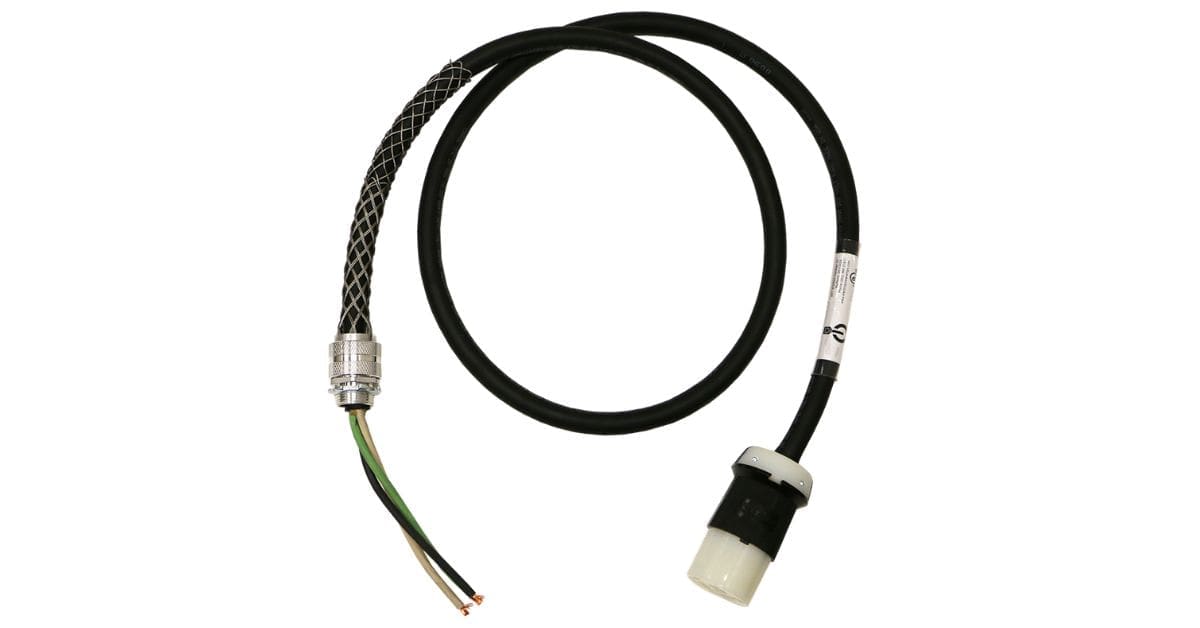
SOOW cable earns its place in demanding environments because it offers flexibility and durability. Many manufacturers use SOOW across industrial equipment, heavy tools, and similar applications. Even a rugged cable still needs disciplined care once it enters the field. Teams that implement proper maintenance habits can reduce avoidable wear while protecting performance across demanding power distribution applications. Here are a few maintenance tips to extend the service life of SOOW cable.
What SOOW Cable Is Built To Handle
SOOW cable serves tougher jobs than a light-duty extension cord. The “S” stands for service-grade 600-volt construction, while the two “O” markings confirm oil-resistant insulation and jacket. The “W” indicates weather- and water-resistant materials. This durable construction is ideal for harsh work areas and temporary power runs. Still, the cable cannot tolerate unlimited crushing or repeated abuse.
Respect The Rating as a Baseline
A durable jacket can resist many jobsite hazards, but it cannot protect against every mistake. Sharp edges, tight bends, and frequent vehicle traffic can quickly shorten service life. Maintenance teams should treat the rating as a performance baseline, not a reason to ignore field conditions. That mindset helps protect both the cable and the equipment it serves.
Inspect the Jacket Before Every Critical Use
The outer jacket gives SOOW cable its first line of defense against moisture, oil, abrasion, and impact. A small cut may not look serious at first, but it can expose the cable to contamination and mechanical stress. Before critical use, technicians should check the full visible length for slicing or exposed conductor insulation. This inspection takes little time, but it often catches damage before energization.
Look Closely Near Ends and Bends
Damage often appears near connectors, strain relief points, and bend locations. These areas experience more movement than straight cable runs, especially when crews frequently connect and disconnect equipment. A jacket that looks fine in the middle may show fatigue near the termination. Focused inspection gives teams a more accurate view of cable condition.
Control Bend Radius During Storage and Use
SOOW cable maintains flexibility, but poor bending habits still create internal stress. Tight coils and forced routing can strain conductors and weaken insulation over time. Teams should use broad, relaxed bends during setup and avoid pulling cable around corners under tension. Better routing helps preserve flexibility and reduces the chance of hidden conductor damage.
Avoid the “Quick Coil” Problem
Fast cleanup often leads crews to wrap cable too tightly. That habit can create a memory in the cable and add stress at the same points every time it’s used. Large, even coils protect the jacket and make future deployment easier. Good storage habits often extend cable life more than emergency repairs ever can.
Keep Cable Away From Crushing Points
Crushing damage can happen fast in busy facilities. Forklifts, carts, and heavy materials can flatten cable even when the jacket does not split immediately. Once compression damages the cable structure, the insulation and conductors may no longer perform as intended. Cable ramps, overhead routing, or protected pathways can reduce this risk in high-traffic areas.
Do Not Trust Appearance Alone
A crushed cable may not show obvious failure right away. The jacket can rebound slightly while internal damage remains. Any cable that has experienced significant compression should be inspected before reuse. When uncertainty remains, teams should remove it from service and evaluate it properly.
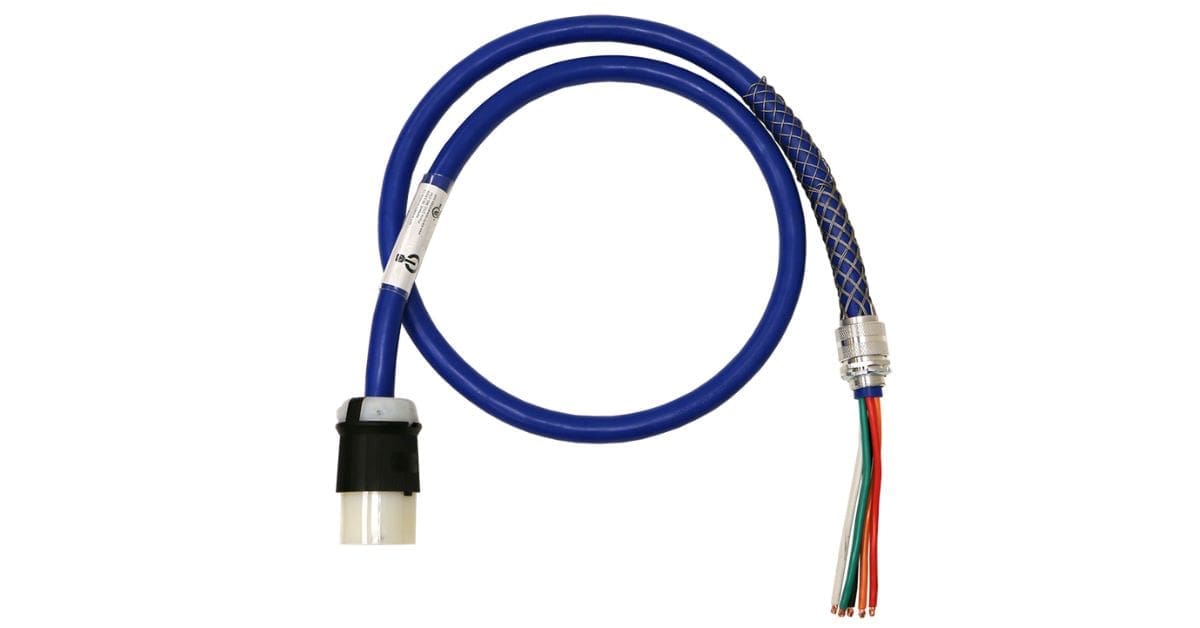
Manage Oil, Chemicals, And Moisture Exposure
SOOW cable resists oil and water, but long exposure still deserves attention. Oil can attract grit that abrades the jacket, while moisture can create problems around damaged areas, connectors, and cable ends. After exposure, crews should wipe the cable clean and check for swelling, soft spots, residue buildup, or changes in the jacket.
A practical maintenance routine should include:
- Cleaning residue before storage
- Checking cable ends after wet use
- Removing the damaged cable from service
- Keeping connectors off standing water
- Recording repeated exposure locations
Protect Terminations and Strain Relief
Cable ends often fail before the cable body because they absorb stress. A strong maintenance program checks strain relief hardware, connector fit, and signs of jacket pullback. The jacket should remain secure at the point where it enters the connector or device. Any visible separation can signal stress that needs to be corrected before the next use.
Pull the Plug, Not the Cable
Crews sometimes disconnect equipment by pulling on the cord instead of the plug or connector body. That shortcut transfers force directly into the termination and strain relief. Over time, it can loosen internal connections or damage the jacket near the entry point. Training teams to disconnect properly protects the most vulnerable part of the assembly.
Store SOOW Cable With Intention
Storage conditions affect cable life more than many facilities realize. A cable left in standing water, direct equipment traffic, or tangled piles will degrade faster than one stored clean and supported. SOOW products commonly carry weather- and water-resistance claims, but properly organized storage still protects the jacket and terminations. Teams should store cables away from sharp tools and unnecessary tension.
Give Heavy Cable Proper Support
Heavy SOOW cable needs more than a hook that creates a hard pressure point. Wide reels, broad hangers, or supported shelving can distribute weight more evenly. This reduces jacket deformation and makes deployment easier for crews. Better support also lowers the risk of kinks during removal.
Test When Conditions Raise Concern
Visual inspection matters, but it cannot reveal every internal problem. When the cable has experienced severe crushing, water intrusion, repeated tripping events, or abnormal heat, technicians should consider electrical testing before returning it to service. Depending on the application, a qualified evaluation may help confirm its condition. This step becomes especially important for cables tied to critical equipment.
Replace Cable Before Failure
Every cable reaches a point where continued use creates more risk than value. Teams should not wait for a complete failure when inspections show recurring damage, exposed insulation, compromised terminations, or repeated overheating. Replacement planning helps facilities avoid rushed decisions during downtime.
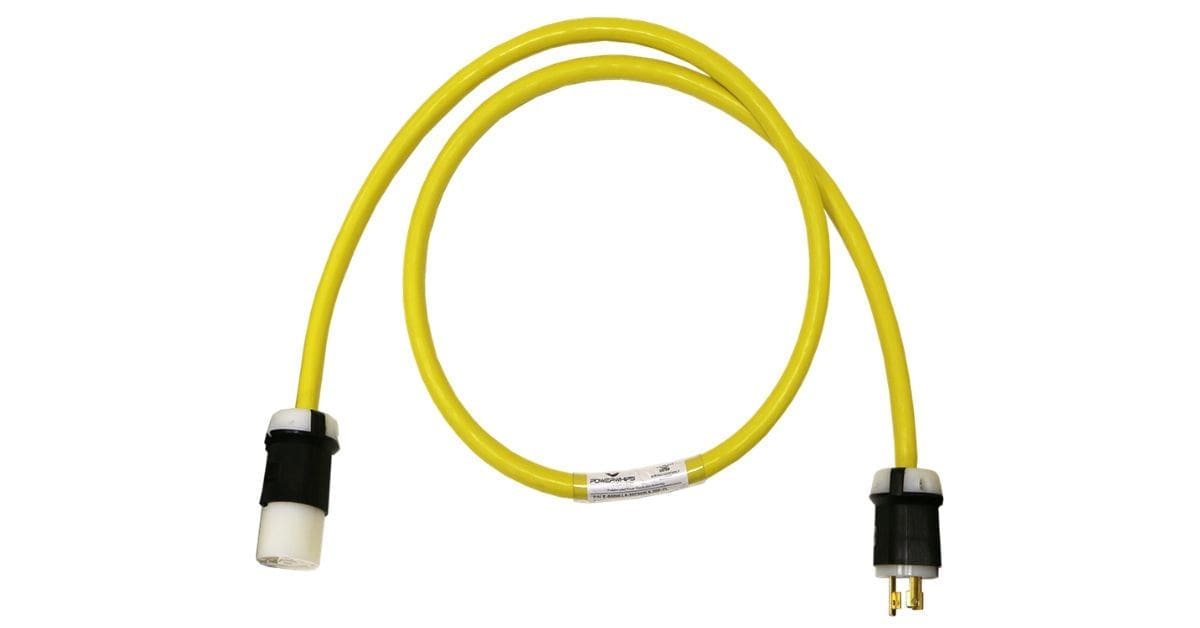
Build Cable Care Into the Work Culture
Cable maintenance works best when crews treat it as part of daily operations rather than a special event. Supervisors should set clear expectations for routing, cleaning, storage, and removal from service.
Technicians should feel comfortable flagging damaged cable rather than pushing it back into service. When facilities consistently apply these maintenance tricks to extend the service life of SOOW cables, they protect their investment and strengthen the reliability of the systems that depend on them.
Need a replacement? Electrol Powerwhips offer PDU Whips designed to support dependable power distribution when existing assemblies show wear, damage, or no longer fit the application. A properly matched replacement helps reduce avoidable downtime and keep critical equipment operating without interruptions. Explore Electrol Powerwhips today and find cables built around your facility’s specific power requirements.