
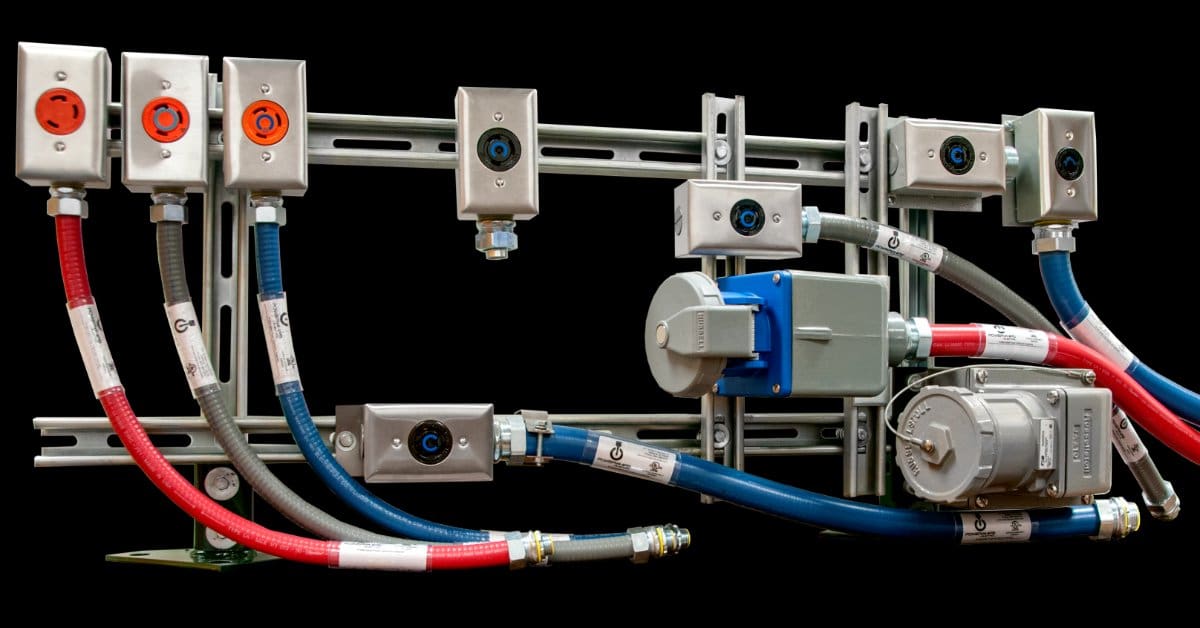
As high-density rack designs continue to evolve, electrical teams must rethink their power distribution strategies. With AI and HPC environments pushing rack power requirements ever higher, 100kW rack feeds have shifted from rare exceptions to central elements of modern data center design. In this environment, conduit fill calculations for 100kW rack feeds enable engineers and contractors to verify that the raceway can physically accommodate the conductor set, well before installation begins.
Why 100kW Rack Feeds Require More Discipline
With a 100kW rack feed, there is virtually no margin for casual assumptions. The conductor set might include larger phase conductors, equipment grounding conductors, or even parallel runs, depending on the system’s design. Every detail influences both the physical fill result and the installation plan. Notably, if the initial conductor count is incomplete, the calculation may seem acceptable on paper, yet actual field conditions can quickly reveal otherwise.
What Conduit Fill Actually Confirms
Conduit fill measures how much of the raceway’s internal cross-sectional area the conductors occupy. NEC-based references commonly use Chapter 9 tables to compare conductor area against the available area inside the raceway. For many three-or-more-conductor applications, teams use the 40% maximum fill limit as the practical reference point. Most 100kW rack feeds will fall into that category.
Nevertheless, the objective should not always be to stay just below the maximum fill limit. Allowing for extra space can make cable pulling significantly easier and help reduce the risk of damaging conductor insulation during installation.
Conduit Fill Is Not Ampacity
This distinction is crucial for high-density rack planning. Conduit fill calculations address only the physical space that conductors occupy within a raceway. In contrast, ampacity determines whether those conductors can safely carry the required electrical load. Ampacity depends on several factors: conductor material, insulation rating, and the number of current-carrying conductors. As a result, conduit fill verifies only physical fit. Ampacity, on the other hand, evaluates safe electrical performance.
A successful fill calculation merely confirms that the conductors will physically fit within the raceway; it does not evaluate whether those conductors can safely carry the required current under expected thermal conditions. For a 100kW rack feed, the electrical design must still verify conductor performance under load to ensure electrical suitability and long-term reliability.
Do Not Treat Heat as a Fill Problem Alone
Heat management and conduit fill are related but separate design concerns. Simply increasing conduit size or reducing fill percentage does not address the risks associated with heat buildup. When multiple circuits or parallel sets share a raceway, ampacity adjustment factors, distinct from fill factors, may require selecting different conductors. Distinguishing between fill and ampacity calculations helps prevent the mistake of assuming that a raceway deemed adequate for physical fit also ensures thermal safety.
Start With the Real Load Conditions
A 100kW rack can mean different things depending on voltage and power architecture. Before selecting conduit size, the team should confirm the actual electrical design rather than working backward from the rack power number alone.
For example, selecting a higher-voltage distribution can reduce current compared to a lower-voltage approach, potentially influencing conduit fill requirements. In addition, a redundant configuration may impact power routing to the rack. These design factors should be considered early in the process, before finalizing raceway size.
Count Every Conductor in the Raceway
Conduit fill depends on physical area, so every conductor in the raceway matters. Phase conductors count, as well as equipment grounding conductors and more. The current-carrying conductor count also needs a separate review.
Some conductors impact fill but may not be counted the same way for ampacity adjustment, depending on the system configuration and applicable codes. By keeping these two calculations distinct, teams can avoid confusion and ensure clear documentation for review, inspection, and future maintenance.
Plan Around Pulling Conditions
Conduit fill tables help establish physical limits, but they do not reflect the cable pull’s manageability in real-world conditions. Larger conductors and multiple bends can significantly increase pulling tension. As a result, a design might meet all requirements yet still pose unnecessary installation risks. For 100kW rack feeds, this risk is especially important, since conductor damage could compromise a critical power path.
Leave Margin Where the Route Gets Complicated
A short, straight run can tolerate a higher fill percentage much more easily than a pathway with multiple bends. In reality, however, dense data halls seldom offer perfect routing conditions. Designers should consider adding extra margin whenever the pathway appears complex, whether on drawings or during field coordination. Opting for larger raceways or revising the routing early on may help prevent a failed pull later on.
Coordinate Raceway Type And Conductor Selection
Raceway type directly affects the available internal area, so any substitutions require careful review. For example, switching conduit types can alter the fill calculation, just as changing conductor insulation can affect the outside diameter. Even a seemingly minor field substitution can invalidate the original calculation.
If site conditions necessitate a change, the team should always recalculate before moving forward with installation. This step helps prevent inspection issues and last-minute pathway conflicts. Additionally, it offers the project team a clearer record of how and why the final installation meets all requirements.
Where Power Whips Fit Into High-Density Rack Planning
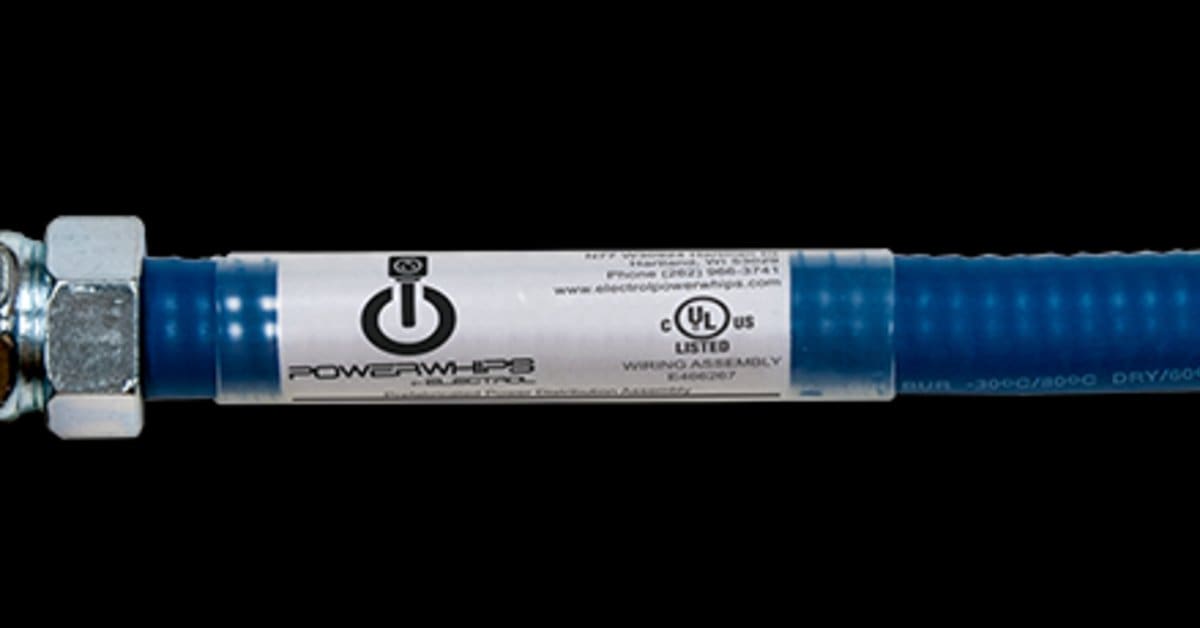
Conduit fill calculations determine if the raceway can physically accommodate the necessary conductor set. However, the feed strategy involves more than just the conduit. After power is delivered to the rack or PDU, using the appropriate cable assembly for the application remains essential. Properly specified power whips support consistent deployments, especially in repeated rack builds or phased expansions.
Avoid Common Fill Calculation Mistakes
Many conduit fill errors originate from assumptions. For instance, teams may use an incorrect raceway table or overlook the equipment grounding conductor. Sometimes they reference conductor area values that do not actually match the insulation type. Another common error is assuming that conduit fill alone proves the feed can carry the load. This misconception introduces risk, as physical fit and electrical suitability address fundamentally different questions.
The Planning Conversation
High-density rack feeds demand more than generic product selection. Both the cable assembly and the pathway influence the final system outcome. The termination approach and actual field conditions also play a significant role. By coordinating early, teams can minimize mismatched components and avoid last-minute changes, helping contractors deliver cleaner and more consistent rack power connections.
For facilities designing high-density rack power, conduit fill calculations for 100kW rack feeds should guide early decisions, not just serve as a box to check at the end. While the calculation confirms physical raceway capacity, a thorough design review ensures both electrical suitability and field practicality.
Electrol Powerwhips provides PDU power cables engineered for high-density rack environments, ensuring reliable power and organized installation. Selecting the appropriate cable assembly helps maintain stable connections and long-term serviceability as rack power needs evolve. Contact Electrol Powerwhips for solutions that fit your facility’s power requirements.