
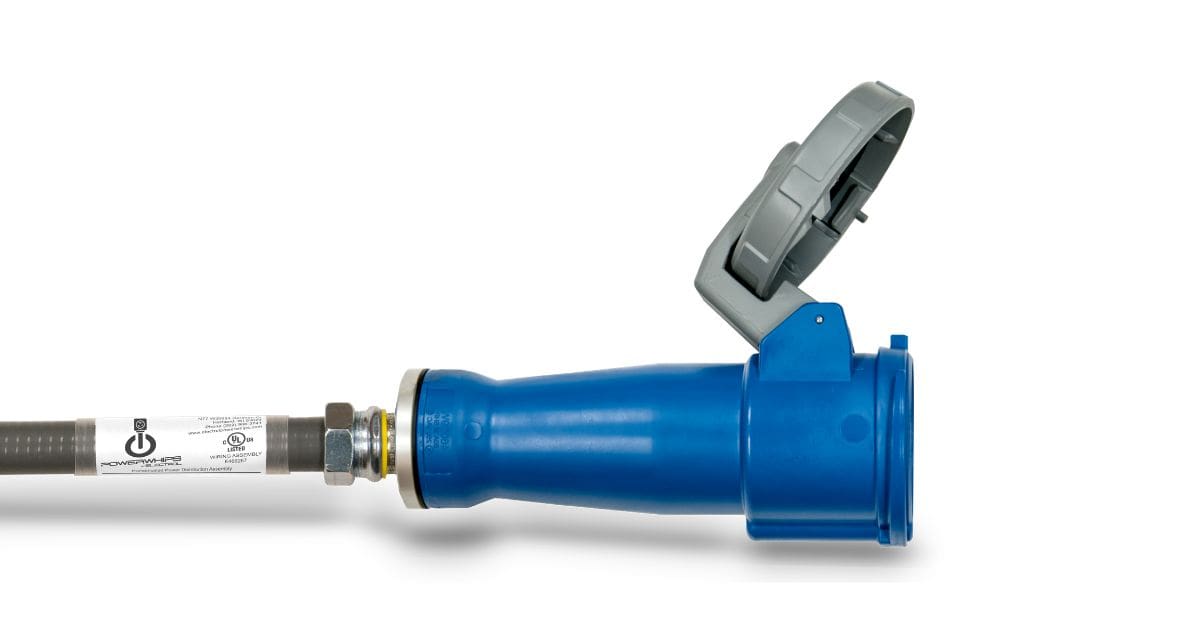
High-capacity rooms do not fail because of a lack of good intentions; they fail because cable pathways become crowded, changes occur quickly, and minor access issues turn routine work into high-risk work. Read on as we break down the benefits of flexible overhead cables for high-capacity rooms, showing how this approach enables safer routing, cleaner pathways, and faster reconfiguration without turning the space into a maze of rigid constraints.
Why High-Capacity Rooms Demand a Different Cable Strategy
High-capacity electrical spaces and dense equipment rooms have one thing in common: they do not stay static. Loads expand, equipment gets replaced, and maintenance windows are short.
How Density Changes the Risk Profile
As more equipment is packed into a room, the cable environment becomes less forgiving. Pathways fill up, bend radii get tighter, and access points get blocked by equipment footprints or by adjacent runs. When a technician cannot easily see and reach a termination point, the likelihood of rushed handling increases, especially during critical work.
Flexible overhead cabling improves access and visibility. Teams can route and service cables in a controllable overhead zone, avoiding rigid pathways or floor congestion.
Why Overhead Routing Works
Floor routing can interfere with cooling and equipment movement. It also complicates troubleshooting, as cable routes are hidden beneath floors, around obstructions, and in crowded subfloors. Overhead pathways make routes easier to trace and inspect, supporting safety and uptime.
Overhead routing also helps reduce trip hazards and protects cables from incidental damage caused by carts, rolling equipment, and routine foot traffic.
What “Flexible” Means
Flexibility does not mean sloppy routing or unsupported spans. It means the pathway and cable system can adapt to changes without requiring extensive demolition, rigid rework, or repeated custom fabrication. In practical terms, flexible overhead systems support moves, adds, and changes with fewer hard constraints.
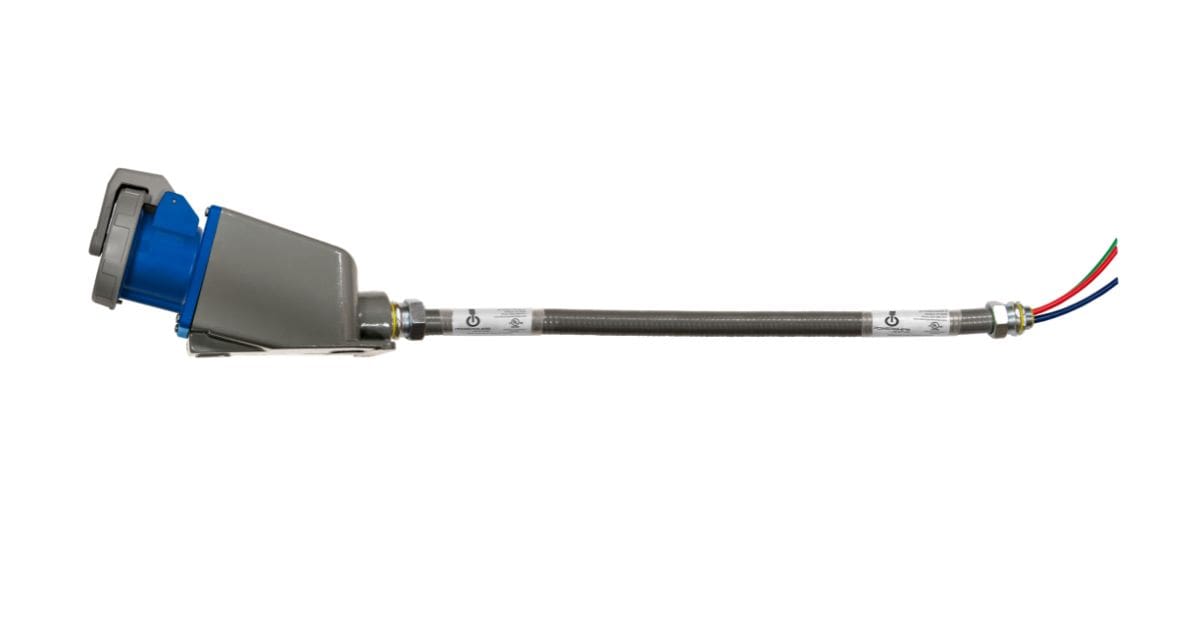
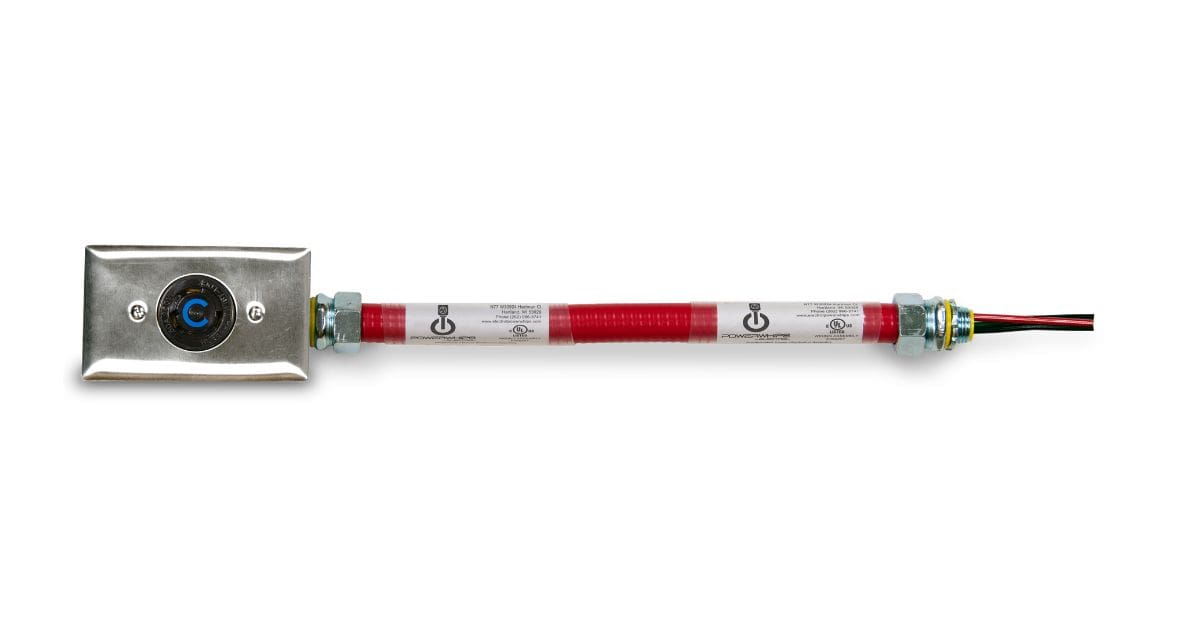
Flexibility can show up in several ways. It can mean using cable assemblies that tolerate routing adjustments without stressing terminations. It can also mean using modular support hardware that allows repositioning without rebuilding the entire run.
Safer Installation and Maintenance
High-capacity rooms demand repeatable methods. When every change requires a workaround, safety and quality both suffer.
Better Access Reduces Handling Errors
Most cable problems come from tight access, awkward angles, or rushed manipulation of heavy cable. Overhead routing designed for service helps teams work in more natural positions, with better line of sight to the connection point.
When access improves, maintenance practices become easier to follow. Technicians can maintain proper bend radius, avoid twisting the cable, and verify strain relief and support points.
Reduced Strain at Termination Points
Terminations and connection points are where mechanical stress becomes electrical risk. If a cable run pulls sideways on a connector or termination, it can loosen over time, especially with vibration, thermal cycling, or repeated handling. A flexible overhead approach helps by allowing routing adjustments that reduce side-load and tension.
A well-supported overhead run also helps distribute weight. Instead of relying on the termination point to manage stress, the support system carries the mechanical load.
Clearer Pathways Improve Inspection
In high-capacity rooms, inspection is not only about compliance. It is about catching problems before they interrupt operations. Overhead pathways that keep cable routes visible allow faster verification during walkthroughs and faster diagnosis when something is not behaving as expected.
Performance Benefits in High-Capacity Environments
Flexible overhead cabling supports performance outcomes that matter in high-capacity rooms, including airflow protection, space utilization, and change readiness.
Protecting Airflow and Cooling Layouts
High-capacity rooms often rely on carefully planned airflow patterns. Cable congestion can disrupt those patterns by blocking returns, crowding hot aisles, or interfering with containment systems. Overhead routing can help keep critical airflow zones cleaner, especially when it reduces the need for floor-level cable buildup.
Flexibility helps here because it supports re-routing when cooling layouts change. If equipment rows shift or if containment strategies evolve, teams can adjust overhead pathways with less disruption.
Supporting Scalability Without Constant Rework
High-capacity rooms rarely stay at their initial load profile. As equipment upgrades and capacity planning progress, cable requirements change. If every increase forces rigid pathway rebuilds, the room becomes expensive to maintain and difficult to schedule.
Flexible overhead approaches reduce that friction by making incremental change more manageable. The room stays closer to a “ready state,” where expansion does not trigger major reconstruction.
Improving Space Utilization and Reducing Congestion
Space is valuable in high-capacity rooms, and cable congestion can eat it up quickly. Congestion also creates operational risk because it makes it harder to separate circuits, maintain routing discipline, and keep labeling visible. Overhead flexibility supports better organization. Teams can route with intent, maintain separation where required, and preserve service clearances.
Operational Benefits for Teams Managing Frequent Changes
High-capacity rooms often operate under change control, with moves, adds, and modifications occurring within tight windows that require constant coordination.
Faster Change Work with Less Disruption
When cables are easier to route and support, change work becomes more straightforward. Teams can execute additions and relocations without dismantling large sections of existing infrastructure. Dismantling introduces risk, especially when adjacent circuits must remain live.
Flexible overhead routing also reduces the temptation to “take shortcuts” that degrade the installation. When the system is designed to support change, technicians can do the job correctly without spending half the window fighting physical constraints.
Cleaner Labeling and More Reliable Documentation
Labeling and documentation become more difficult as density increases. Cables cross, pathways fill, and visibility drops. Overhead routing that supports clear, organized runs makes labels easier to place and easier to read later.
That documentation value compounds. When future teams can identify cable routes quickly, they reduce intrusive tracing and accidental disturbance of neighboring circuits.
Easier Standardization Across Rooms and Sites
Standardization is one of the most effective ways to reduce mistakes. Flexible overhead systems can support standard routing methods and repeatable build practices, which help organizations scale across multiple rooms or facilities.
When teams standardize how overhead runs are built, supported, and labeled, they reduce variability between installs. That consistency improves training, improves handoffs, and simplifies troubleshooting because the environment behaves the same way from one project to the next.
A Practical Design for High-Capacity Rooms
High-capacity rooms reward strategies that anticipate change rather than react to it. Now that you understand the benefits of flexible overhead cables for high-capacity rooms, remember that flexibility is not a design luxury; it is an operational advantage that helps keep capacity usable, service work controlled, and future growth less disruptive.
Electrol Powerwhips offers high-quality data center power cables built for high-capacity environments where clean routing, reliable connections, and safe service access are critical. Our durable assemblies support organized overhead pathways and frequent change work, helping you reduce cable congestion, protect critical equipment zones, and maintain consistent power delivery as density grows. Explore our products today and keep your systems ready for what’s next.