
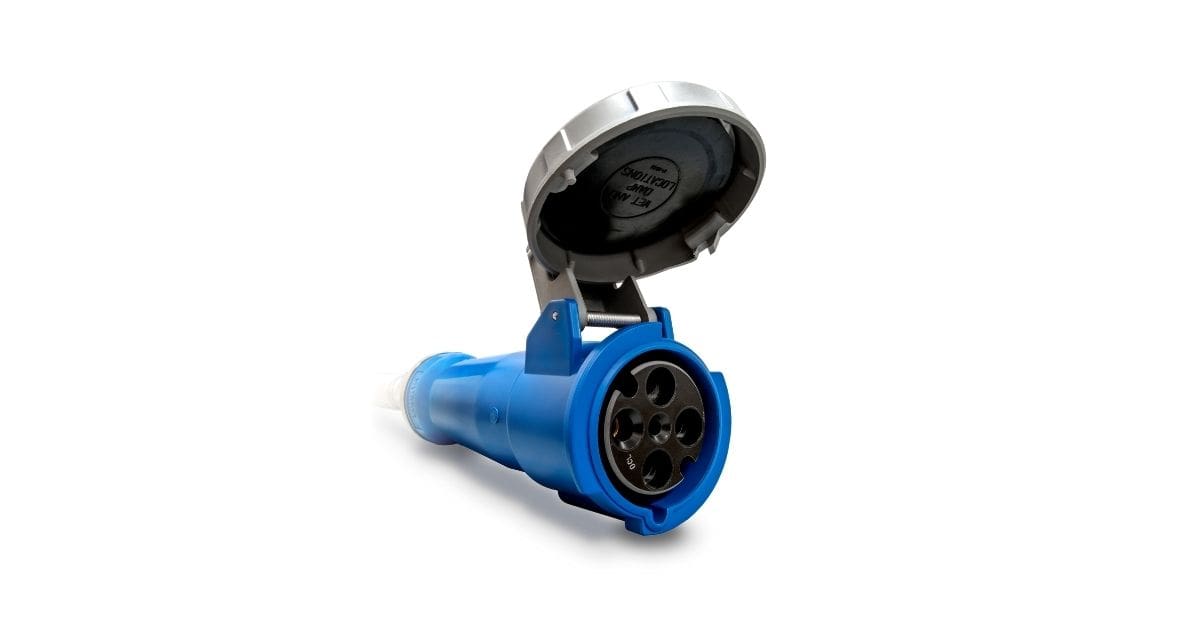
When you spot a damaged power whip connector, that sinking feeling hits fast. Your equipment’s down, productivity stops, and you’re faced with a choice that could impact both your budget and safety. Should you repair the connector or replace it entirely?
This decision isn’t just about immediate costs. The wrong choice can lead to equipment failure, safety hazards, and expensive downtime later. Understanding when to repair versus replace your power whip connecter can save you money and protect your electrical systems.
Let’s break down everything you need to know about fixing your power whip connectors so you can make the right call for your situation.
What Are Power Whip Connectors and Why Do They Fail?
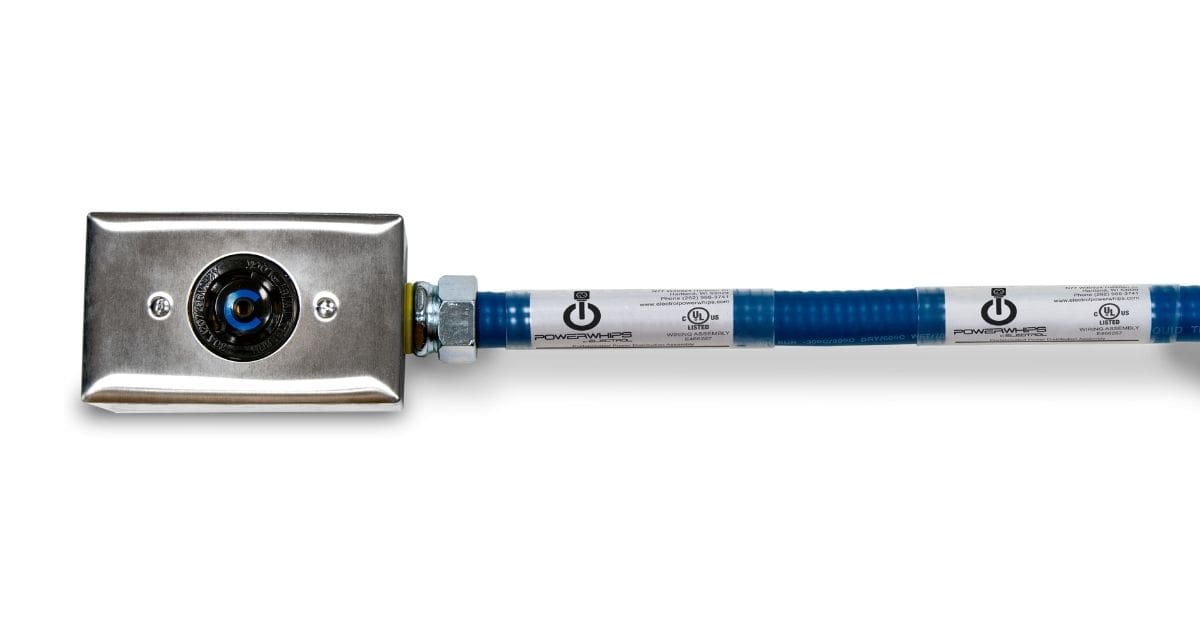
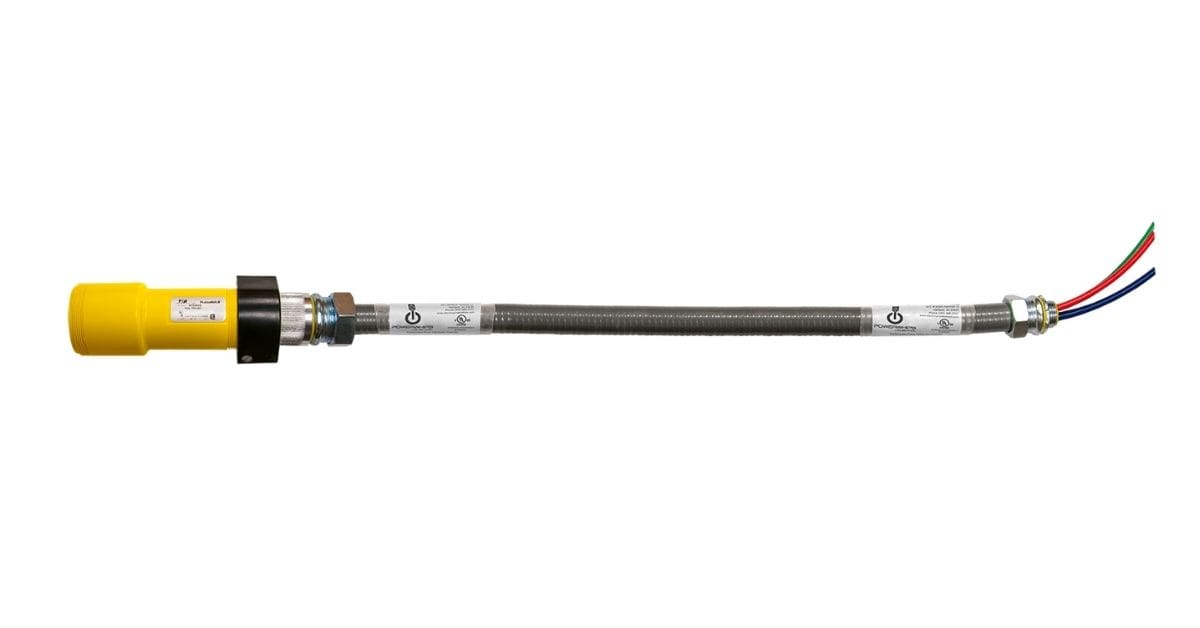
Power whip connectors serve as the crucial link between your electrical panel and equipment. These flexible conduits carry power from the main electrical source to motors, HVAC units, and other heavy machinery.
Think of them as the arteries of your electrical system. When they work properly, electricity flows smoothly. When they don’t, everything grinds to a halt.
Common Causes of Power Whip Connector Damage
Several factors can cause these connectors to fail, and environmental conditions top the list. Moisture, extreme temperatures, and chemical exposure gradually break down insulation and corrode connections.
Physical damage happens, too. Heavy machinery vibrations, accidental impacts, and improper installation create stress points that eventually lead to failure. Age also plays a role, as older connectors simply wear out over time.
Electrical overloads represent another major cause. When the equipment draws more current than the connector can handle, heat builds up and damages internal components.
Assessing the Extent of Damage
Before deciding between a repair and replacement, you need to evaluate what you’re dealing with. Not all damage looks the same, and the severity determines your best course of action.
Visual Inspection Techniques
Start with a thorough visual examination. Look for obvious signs like cracked housings, exposed wires, or burn marks. Discoloration around connection points often indicates overheating.
Check the flexible conduit for kinks, tears, or excessive wear. These issues compromise the connector’s ability to protect internal wiring. Don’t forget to examine the connection points at both ends. Loose, corroded, or damaged terminals need immediate attention.
Testing Electrical Integrity
Visual inspections only tell part of the story. Electrical testing reveals hidden problems that could cause future failures. Use a multimeter to check continuity across all conductors.
Any reading that deviates from specifications often indicates internal damage. Insulation resistance testing helps identify compromised wire insulation that could lead to ground faults. Voltage drop measurements under load can reveal poor connections that aren’t visible.
When Repairs Make Sense
Repairing a damaged connector can be cost-effective in specific situations. Minor damage that doesn’t compromise safety or reliability often qualifies for a repair instead of a replacement.
Types of Repairable Damage
Surface-level issues, like scratched housings or loose connection screws, typically qualify for repair. You can often tighten connections, replace damaged screws, or patch minor housing cracks.
Worn gaskets and seals represent another repairable issue. These components protect internal connections from moisture and contaminants. Replacing them costs much less than buying a new connector.
Single-point failures, such as a damaged wire in a multi-conductor setup, might also justify a repair if the rest of the connector remains in good condition.
Cost-Benefit Analysis for Repairs
Calculate the total repair cost, including parts, labor, and downtime. Compare this to replacement costs for similar equipment.
Factor in the connector’s age and remaining service life. Repairing a relatively new connector makes more financial sense than fixing one that’s approaching the end of its lifespan.
Consider your risk tolerance, too. Repairs might cost less upfront, but they could fail sooner than replacements.
When a Replacement Is the Better Choice
Some situations clearly favor a replacement over a repair. Understanding these scenarios helps you avoid poor repairs when replacements would provide better longevity.
Extensive Internal Damage
When multiple conductors show damage or the internal wiring has degraded significantly, a replacement becomes the safer choice. Repairing extensive internal damage often costs more than a replacement while providing inferior reliability.
Heat damage typically falls into this category. Once insulation melts or conductors show heat stress, the entire connector’s integrity becomes unreliable.
Age and Obsolescence Factors
Older connectors may use outdated designs or materials that don’t meet current safety standards. Replacements bring your system up to modern codes and improve overall safety.
Part availability matters too. If equipment components are hard to find or expensive, a replacement might actually cost less than a repair.
Consider compatibility with newer equipment. Modern machinery might require connector specifications that older units can’t provide.
Safety and Compliance Considerations
Safety regulations change over time. What met code years ago might not pass current inspections. Replacement connectors come with current certifications and meet today’s safety standards.
Keep insurance policies in mind when deciding the best course of action. Some policies require equipment to meet current standards, making replacements necessary for coverage.
Liability issues arise when repaired equipment fails and causes damage or injury. Using properly certified replacement parts reduces this risk.
Making the Final Decision
The repair versus replace decision ultimately comes down to balancing costs, safety, and reliability. Create a decision matrix that weighs these factors against your specific situation.
Factors To Consider
Start with immediate costs, but don’t stop there. Factor in potential downtime from future failures, safety risks, and regulatory compliance requirements.
Consider your maintenance capabilities. Some repairs require specialized skills or tools that might not be available in-house.
Think about the broader system impact. Will a repair buy you time to plan a more comprehensive upgrade, or does the situation demand immediate action?
Professional Consultation
When in doubt, consult with qualified electrical contractors or engineers. They can assess damage objectively and provide recommendations based on industry experience.
Professional evaluation helps identify hidden issues that personal assessments might miss. Their expertise often prevents costly mistakes and safety hazards.
A Safe Electrical System
When it comes to repairing or replacing damaged power whip connectors, the answer depends on your specific situation, but the decision process remains consistent.
Start with a thorough damage assessment, consider all relevant factors, and don’t cut corners on safety. When repairs make sense, execute them properly with quality parts and skilled labor. When a replacement is needed, invest in proper equipment that meets current standards.
If you are looking to replace your PDU power cables, trust Electrol Powerwhips to deliver superior quality and performance. Our components are engineered to meet stringent industry standards, offering safe, reliable, and robust solutions for your critical power infrastructure. By investing in our products, you protect your valuable equipment, maintain operational productivity, and ensure your electrical system functions safely for years to come.
Contact us today to discuss your specific requirements and learn how our personalized support can help you make the right choice for your facility.