
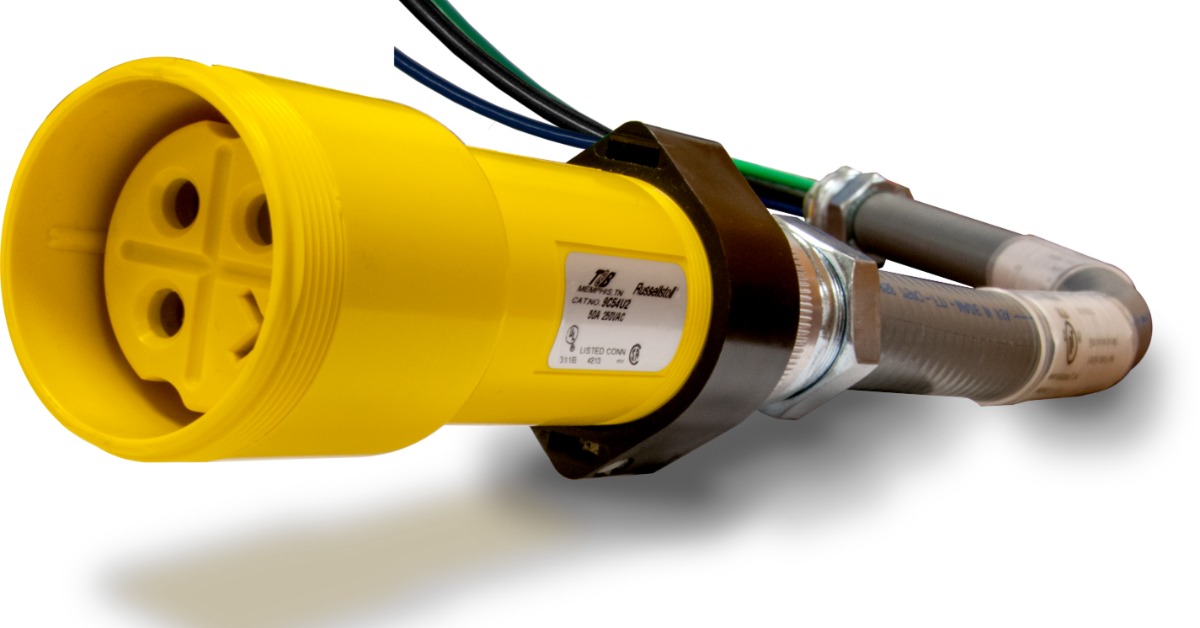
A power whip can leave the factory with a secure electrical termination and still fail during installation. When a conductor pulls loose, technicians often suspect a defective crimp. That conclusion deserves a closer look, especially when the failed connection has already been subjected to handling or mechanical stress.
For electrical contractors and data center operators, understanding factory crimp quality versus field pull-test failures requires looking beyond the point of separation. Identifying the cause starts with understanding what the factory tested and how the power whip was handled in the field.
Why Crimp Quality Starts With the Right Terminal
A dependable crimp begins with selecting a terminal that accommodates the conductor’s construction. Wire gauge provides part of that information, although two conductors with the same American Wire Gauge (AWG) designation can have different strand configurations. Fine-stranded conductors don’t always behave like conductors made with fewer, larger strands when compressed inside a terminal barrel.
Depending on the connector design, the conductor may attach through a crimped contact or another approved termination method. Each connection has specific requirements that determine how technicians should prepare and secure the conductor.
Even with properly maintained equipment, a technician cannot produce a reliable crimp using an incompatible terminal. Otherwise, a connection that appears secure during visual inspection can have inadequate mechanical retention.
How Factories Establish Consistent Crimp Quality
Manufacturers evaluate crimp quality by checking whether the finished termination meets the requirements for its conductor and terminal combination. For crimp styles with specified dimensional limits, measuring the compressed barrel indicates how the tooling performed.
One important measurement is crimp height. Insufficient compression can leave the conductor loosely secured, allowing strands to slip when tension is applied at the connection. Excessive compression creates another concern because the crimping tool can damage strands near the barrel.
What a Controlled Pull Test Actually Proves
A calibrated tensile test measures the force required to separate a conductor from its crimped terminal or break the wire. During testing, the technician secures the sample in an appropriate fixture and applies tension at a defined rate.
Manufacturers generally use representative samples rather than testing every completed connection to destruction because the test continues until a specified condition or failure occurs. The measured force is then compared against the applicable acceptance criteria.
Those criteria depend on the conductor and terminal combination. Using the same force requirement for different wire sizes can produce misleading results, even when the testing equipment operates correctly.
Reading a Field Pull-Test Failure Correctly
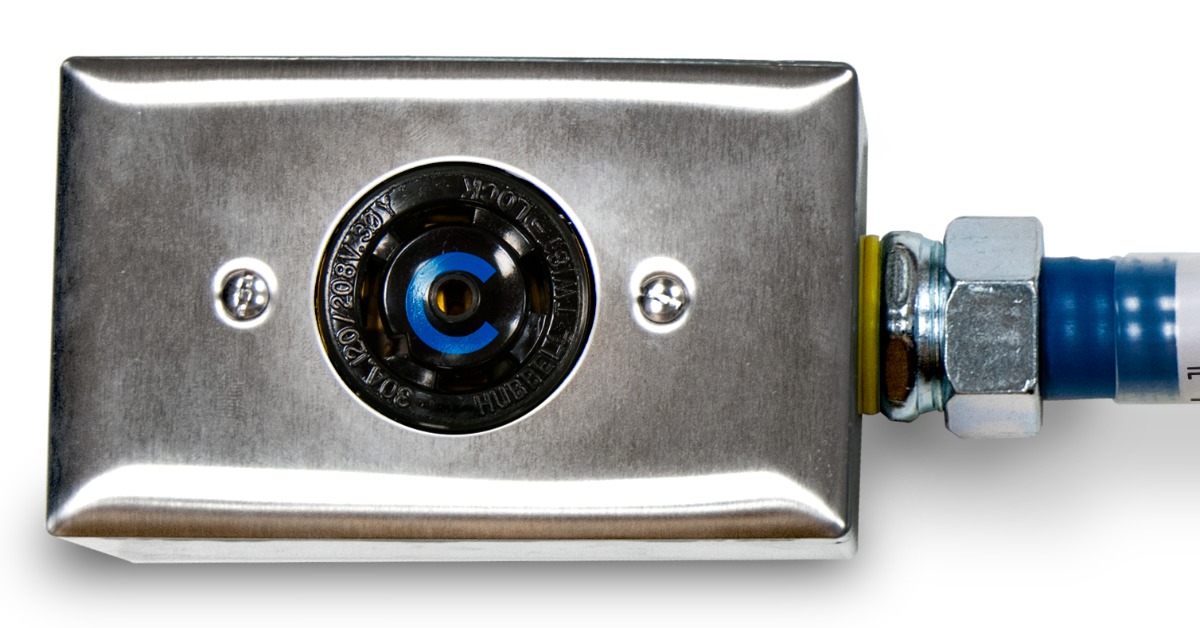
Field inspections introduce conditions that differ from controlled factory testing. Instead of pulling an isolated conductor from a terminal, a technician may apply force to the finished cable or connector body. The resulting load can reach components that weren’t part of the original crimp test.
Where the assembly fails provides useful evidence. If the conductor slips directly out of its crimp barrel, the investigation should focus on retention strength and terminal compatibility. Broken strands near the barrel require a closer examination of possible conductor damage.
Movement at the cable entry tells a different story. When the outer jacket slides through the connector’s cord grip, the problem concerns cable retention rather than the crimp itself.
Why the Cable’s Load Path Is Relevant
Inside an assembled connector, the cord grip secures the outer cable jacket. Its purpose is to prevent external tension from reaching the internal electrical connections. The crimp serves a different function by retaining the conductor strands within the terminal.
Consider an installer pulling a flexible power whip into position by its connector. As tension increases, the load reaches the housing and its cable-retention components. If the cord grip doesn’t maintain its intended hold, some of that force can transfer toward the conductors.
When a Field Failure Isn’t a Crimp Failure
Suppose the cable jacket begins moving through the connector entry while the internal terminations remain intact. The technician should investigate the cord grip before questioning the quality of the crimped contacts.
Even when a conductor eventually separates, the original factory measurements don’t automatically become invalid. The field conditions may have subjected the connection to forces outside those used during crimp qualification. Determining what happened requires examining the assembly’s mechanical load path.
Identifying Crimp Defects That Reduce Retention
When physical evidence points toward the crimp, the failure pattern helps identify the defect. An undercrimped barrel may release the conductor before reaching the required retention force because compression didn’t adequately secure the strands. Overcrimping produces a different condition. Excessive deformation can weaken the conductor near the rigid barrel, increasing the likelihood of strand breakage under tension.
For certain open-barrel terminals, manufacturers specify additional features such as bellmouth dimensions or conductor brush requirements. Inspectors must compare these characteristics with the approved terminal specification rather than relying on appearance alone.
Protecting Terminations During Installation
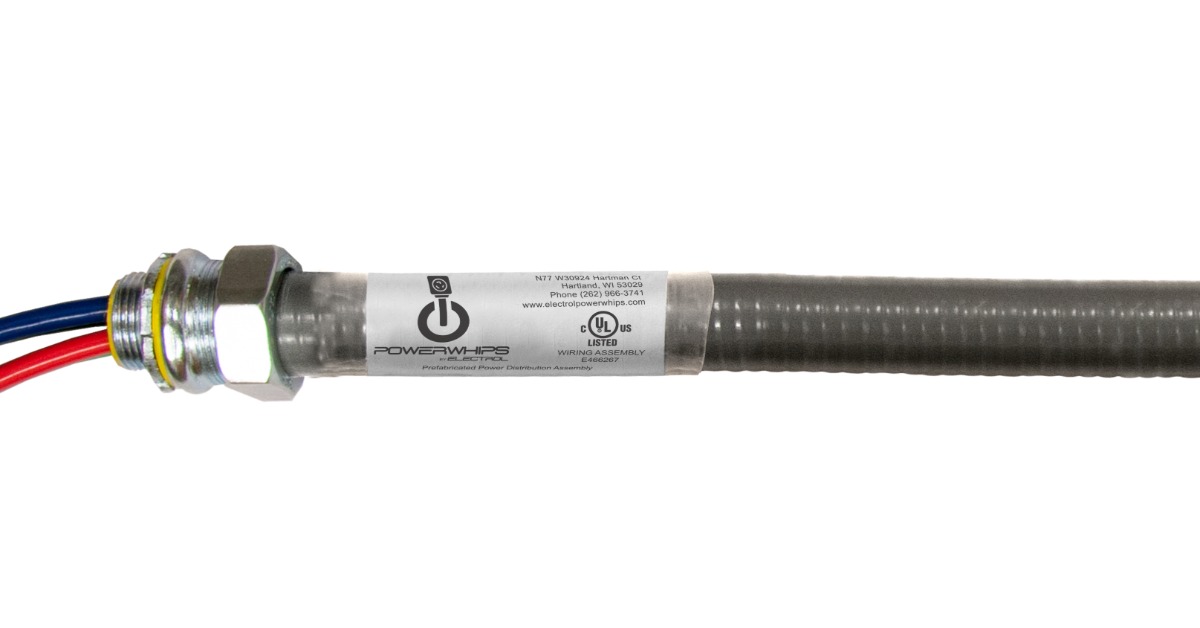
Proper handling remains important after a power whip passes manufacturing inspection. Routing the cable through a tight bend immediately behind the connector stresses the termination, where flexible conductors transition into rigid contacts.
Cable support also affects the load on the assembly. Without adequate support, the weight of a cable run can place sustained tension on the connector.
During installation, technicians should follow the cable manufacturer’s bend-radius requirements and secure cord grips according to the connector manufacturer’s instructions. Supporting the cable while routing it helps prevent unintended pulling forces from reaching the internal terminations.
Evaluating Power Whip Assembly Quality
Factory assembly allows electrical contractors to address termination requirements before the power whip reaches the jobsite. When reviewing an assembly, purchasers should confirm that the selected connector is compatible with the specified cable. Not every power whip uses crimped contacts, so applying crimp-specific acceptance criteria to a pressure-clamp termination would be inappropriate.
Discussing conductor requirements with the supplier before ordering helps establish the appropriate assembly specifications. That conversation should also address the intended connection method and any project-specific testing requirements.
Building Reliability Beyond the Factory
Evaluating factory crimp quality versus field pull-test failures calls for examining the conditions behind each result. A failed connection deserves investigation, but the failure alone doesn’t establish whether the problem originated during manufacturing or installation.
Factory controls establish whether a crimp meets its specified requirements. Once the assembly reaches the field, correct cable handling becomes essential to preserving that connection.
Electrol PowerWhips offers data center power whip options tailored to specific power distribution requirements. Proper cable selection and compatible connector terminations help maintain connection integrity. Contact Electrol PowerWhips to discuss your electrical specifications and select a factory-assembled power whip suited to your installation requirements today.