
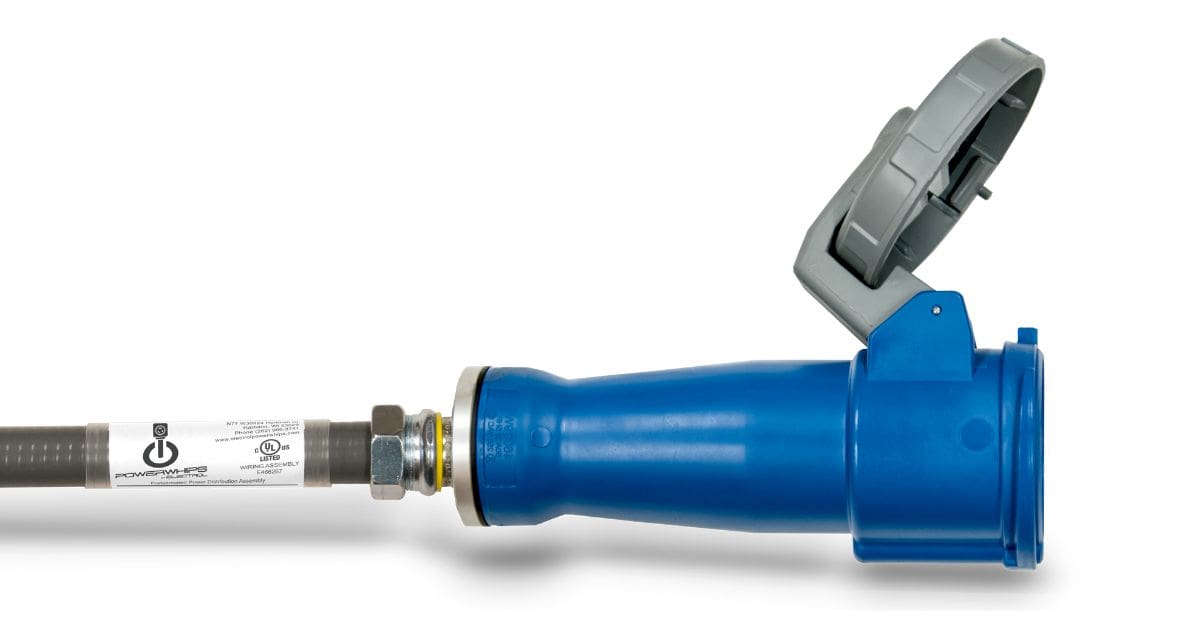
Electricity powers our modern industries, yet the cables that carry it remain surprisingly vulnerable. Water, dust, oil, and physical impact can all disrupt the flow of power.
Standard conduit provides some protection, but it lacks the specialized sealing required for wet or corrosive environments. This gap in defense is where liquid-tight solutions come into play. Exploring how liquid-tight conduit enhances IEC cable protection reveals why this material is indispensable for maintaining robust electrical systems.
Defining the Liquid-Tight Advantage
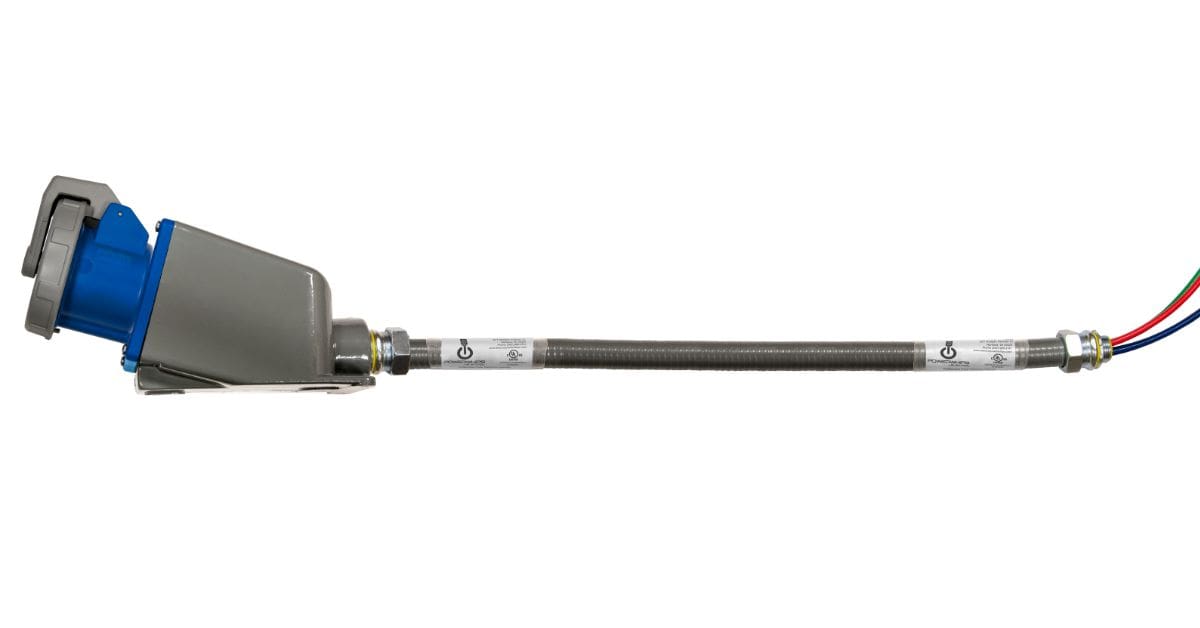
Liquid-tight conduit is a specialized type of tubing designed to route and protect electrical wiring. Manufacturers construct it with a circular cross-section, which allows it to withstand various environmental stressors. The core usually consists of a flexible metal or non-metallic strip, with a waterproof outer jacket surrounding it.
This outer layer acts as the primary barrier against foreign elements. It prevents liquids and particulates from reaching the sensitive wires inside. Standard conduits might have gaps or permeable joints, but liquid-tight versions eliminate these weak points through their continuous, sealed construction.
The Mechanics of the Seal
The effectiveness of this conduit relies heavily on its fittings and connectors. You must use compatible liquid-tight fittings to maintain the integrity of the system. These connectors compress against the outer jacket, forming a watertight seal at termination points.
Water or coolant cannot seep into the enclosure or motor housing when the seal is secure, creating a continuous pathway that isolates conductors from the surrounding environment.
Material Differences
There are two main categories of this conduit: metallic and non-metallic. Metallic versions usually feature a galvanized steel core. This steel core provides exceptional crush resistance and mechanical strength. It works well in areas where heavy equipment might strike the cabling.
Non-metallic versions often use PVC or nylon reinforcing. These materials offer superior corrosion resistance and are lighter and easier to cut. Choosing between them depends on the specific threats your infrastructure faces.
The Role of IEC Standards
The International Electrotechnical Commission (IEC) sets global benchmarks for electrical technologies. These standards define how equipment should perform and how safe it must be. Compliance with IEC standards is mandatory in many regions, as it ensures components function reliably under specified conditions.
Why Compliance Matters
Adhering to IEC standards helps you avoid costly downtime and safety violations. It provides a universal language for safety and performance, verifying the quality of an installation.
Using compliant conduit demonstrates that you have taken steps to protect personnel and equipment. Failing to meet these standards can result in equipment failure or legal liabilities.
IP Ratings Explained
You have likely seen codes like IP66 or IP67. The first digit indicates protection against solids like dust, and the second digit indicates protection against liquids. A higher number often represents better protection.
Liquid-tight conduit helps systems achieve these high ratings by physically blocking dust and water ingress. Without this conduit, earning an IP67 rating for a cable run would be nearly impossible in an industrial setting.
Blocking Moisture and Contaminants
Water is the enemy of electrical circuits because it causes short circuits, corrosion, and insulation failure. Industrial environments often involve wash-down procedures or high humidity, demanding a barrier that extends beyond basic shielding.
Liquid-tight conduit excels in these wet conditions because its jacket is impermeable to water. Even under pressure, such as during a high-pressure wash, the conduit keeps moisture out.
Preventing Liquid Ingress
The seamless outer jacket is the hero here. Even if the entire conduit is submerged, high-quality, liquid-tight systems can prevent water from entering. This capability is vital for outdoor installations or underground wiring.
Condensation can also be a problem inside conduits. Yet, the liquid-tight jacket’s thermal insulation properties help minimize temperature fluctuations. This reduces the likelihood of condensation forming on the wires themselves.
Defense Against Dust and Debris
Dust can be just as damaging as water! Conductive dust can cause arcing, and abrasive dust can wear down wire insulation. Liquid-tight conduit creates a hermetic seal against these airborne particles. Utilizing a sealed conduit system prevents particulate matter from accumulating on cables, keeping the conductors clean and functioning at optimal levels.
Defending Against Mechanical Stress
Cables in industrial settings rarely sit still. Motors vibrate. Robotic arms move. Heavy machinery rolls past. Physical damage is a constant threat. Thankfully, the rugged construction of liquid-tight conduit absorbs these physical assaults. It acts as a sacrificial layer. The conduit takes the hit, so the wire does not have to.
Impact Resistance
The steel core in a metallic liquid-tight conduit offers strong protection against crushing forces. If a heavy tool drops on the line, the steel absorbs the impact, and the internal wires remain unharmed.
This structural integrity is vital in high-traffic areas, as it allows cables to run across floors or near moving machinery. The conduit will maintain its shape and continue to protect the wiring inside.
Vibration and Movement
Constant vibration can cause damage in standard conduits or wear through wire insulation. Liquid-tight conduit is inherently flexible, meaning it can absorb vibration without cracking or loosening its grip on the fittings. This flexibility allows for dynamic installations. You can route cables to moving machine heads, as the conduit flexes and bends with the machine’s motion.
Withstanding Chemical Attacks
Many industrial facilities use harsh chemicals. Cleaning agents, oils, greases, and acids are common in these areas. Standard PVC or metal conduits might degrade when exposed to these substances, as corrosion can eat through metal, and solvents can dissolve plastics.
Liquid-tight conduit jackets are formulated to resist specific chemical groups. Many trusted manufacturers offer jacket materials suited to different chemical environments, helping prevent chemical degradation.
Harsh Chemical Environments
Oil resistance is a standard feature for many liquid-tight conduits. This makes them suitable for machine-tool wiring where cutting fluids are present, as the jacket prevents oil from saturating the cable insulation.
Acid-resistant varieties are also available for chemical processing plants or battery storage rooms. The conduit acts as an inert barrier, stopping the corrosive atmosphere from reaching the copper conductors.
Extreme Temperature Fluctuations
Temperature extremes can make materials brittle or soft. A brittle conduit can crack, and a soft one can melt or deform. Fortunately, liquid-tight conduit is available in wide temperature ranges.
Some versions remain flexible at sub-zero temperatures, while others can withstand the high heat found near furnaces or ovens. This thermal stability guarantees that the protective barrier remains intact regardless of the thermometer reading.
Securing Your Electrical Future
Protecting your electrical infrastructure requires more than good intentions. It demands the right materials and a solid understanding of all the threats involved. Using liquid-tight conduit systems helps protect against the many dangers facing modern industrial cabling.
It blocks water, repels dust, absorbs impacts, and resists chemicals. By understanding how liquid-tight conduit enhances IEC cable protection, you can choose the right components that secure your facility’s operational future.
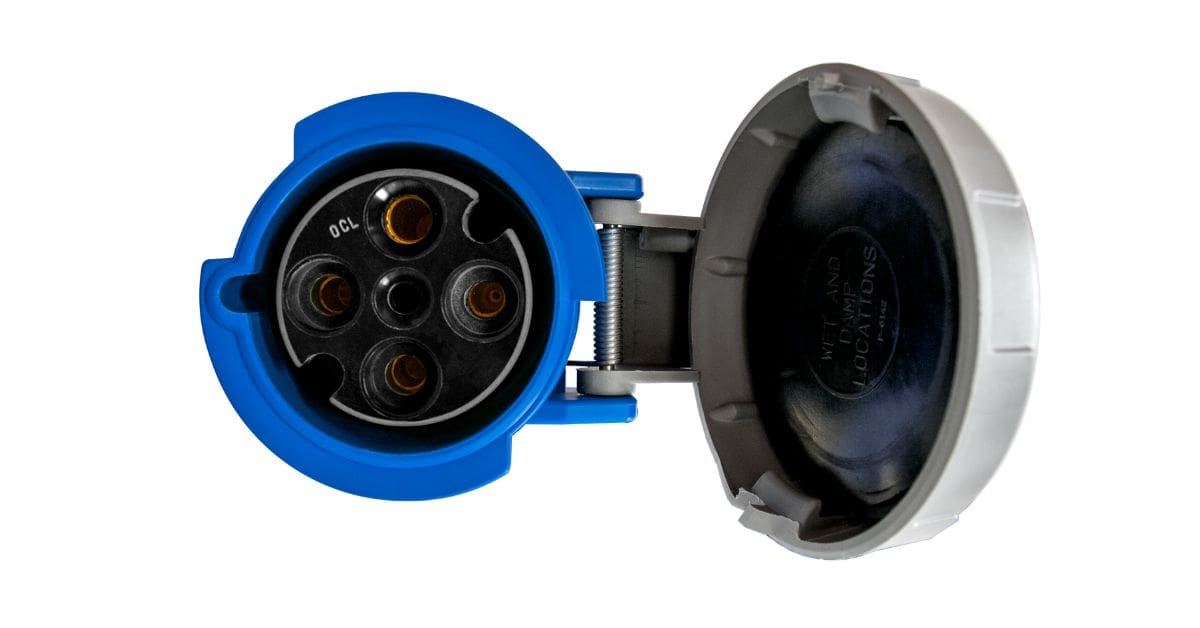
Electrol Powerwhips provides durable, dependable IEC 60309 power cords designed to meet the highest international standards, ensuring your business operations run seamlessly. With our expertly engineered power solutions, you can reduce downtime, stay connected, and focus on what matters most: keeping your business moving forward. Trust Electrol Powerwhips for performance you can count on.