
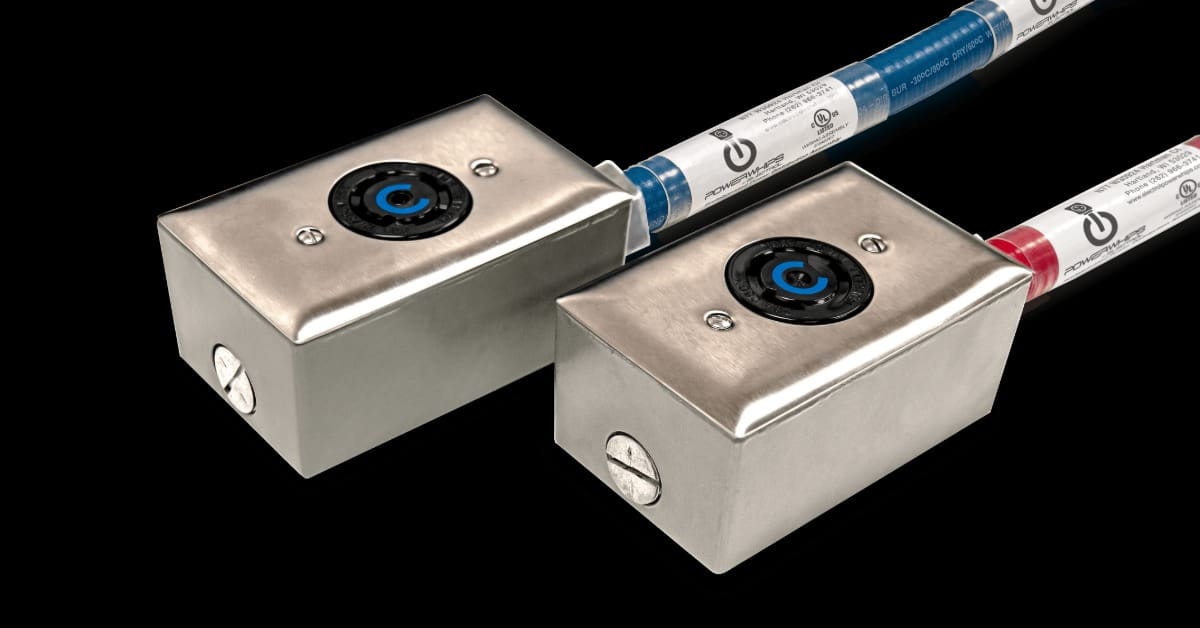
Electrical connectors often look similar at a glance, but IEC 60309 devices were designed to reduce confusion in industrial power applications. One of the most recognizable features of the standard is its color-coding system. Rather than serving a cosmetic purpose, housing color provides a visual indication of the connector’s voltage range.
Understanding the differences between blue and red housing applications by voltage helps equipment operators select the appropriate connector, reducing the risk of mismatched power connections.
Why IEC 60309 Uses Color Coding
IEC 60309 connectors were developed to ensure safe, consistent power connections in industrial and commercial environments. The standard uses both housing colors and clock-position keying to help distinguish connectors intended for different voltage and frequency combinations. Each color is associated with a defined voltage range, making identification easier before a plug ever reaches a receptacle.
This approach helps reduce the likelihood of accidental connections between equipment operating at different voltages. Instead of relying solely on labels or documentation, technicians can use visual identification as an additional layer of verification.
Color Alone Is Not the Only Safety Feature
The housing color provides a strong visual indicator, but the connector design includes additional safeguards. Keying positions physically prevent incompatible devices from mating. These features work together to create a system that supports safer operation across multiple voltage environments.
Understanding Blue IEC 60309 Connectors
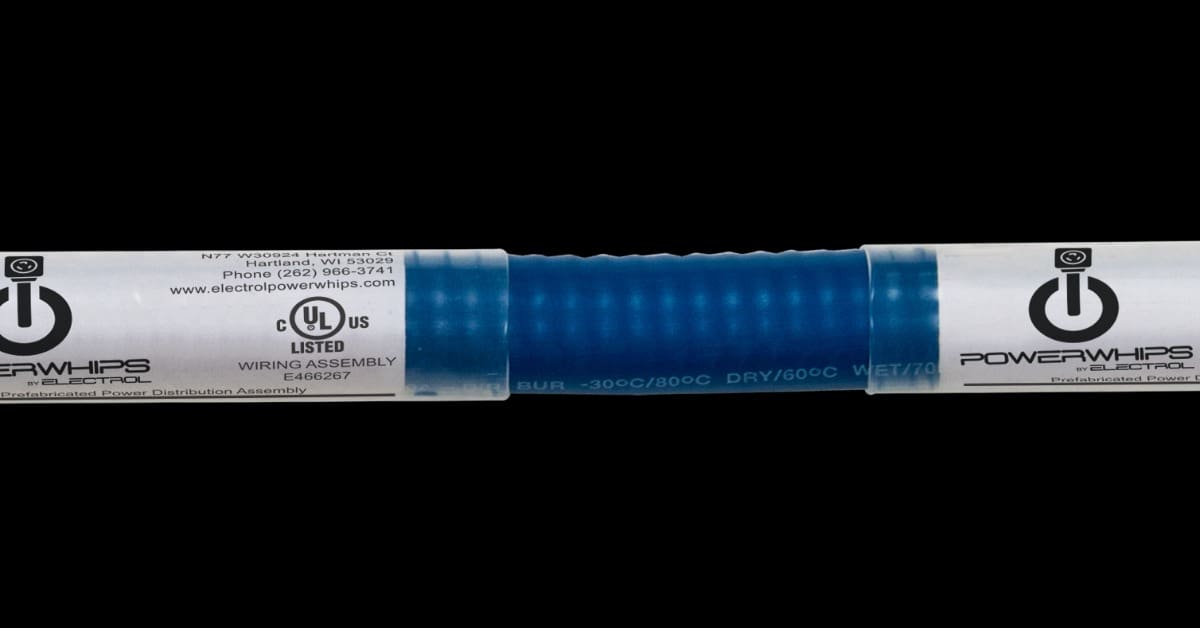
Blue IEC 60309 connectors are commonly associated with lower-voltage applications. Under IEC 60309 conventions, blue housings are generally used for connectors rated between 200V and 250V. Many users encounter these devices in single-phase applications operating at approximately 230V, which is common throughout Europe and many international markets.
Because of their widespread use, blue connectors are commonly found in temporary power systems and commercial facilities. Their familiarity sometimes leads people to assume all IEC 60309 connectors function the same way, but the voltage classification remains an important distinction. Blue connectors frequently support:
- Portable equipment connections
- Temporary power installations
- Event and entertainment power systems
- Construction site equipment
- Campground and marina shore power connections
- Workshop and maintenance operations
Understanding Red IEC 60309 Connectors
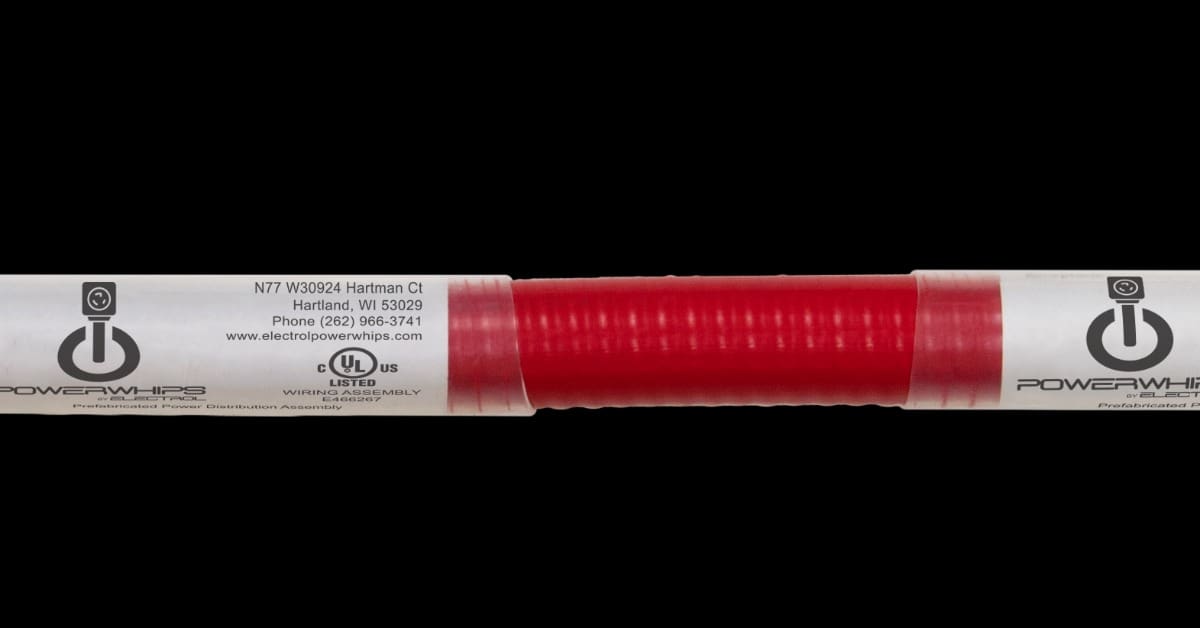
Red IEC 60309 connectors are commonly used in higher-voltage applications and are often employed in three-phase power systems. Under IEC 60309 color conventions, red housings generally identify connectors rated between 380V and 480V. Common examples include 400V three-phase systems used throughout Europe and 480V systems found in many industrial facilities.
Industrial facilities often use red housings for machinery, manufacturing equipment, and large-scale power distribution systems.
Why Red Housings Appear in Industrial Settings
Industrial equipment often requires three-phase power to operate efficiently. Red IEC 60309 connectors provide a recognizable method for identifying those systems while helping maintain consistency throughout the facility. In environments with multiple voltage levels, that visual distinction can help technicians identify the correct connection more quickly.
It is important to note that red does not automatically mean three-phase. The connector’s pin configuration ultimately determines whether it supports single-phase or three-phase power. However, many red IEC 60309 devices encountered in industrial settings are configured for three-phase applications.
Voltage Identification Goes Beyond Color
While housing color provides an important clue, voltage identification should never rely solely on color. IEC 60309 devices also use clock-position keying to indicate specific voltage and frequency combinations. The grounding or earth pin occupies a designated clock position that corresponds to the connector’s intended application.
This design prevents many incompatible devices from connecting, even when they share similar physical dimensions. Technicians should verify both color and configuration before making any connection decisions.
The Clock Position
A blue connector and a red connector may appear similar in overall shape. However, the grounding pin location helps determine compatibility. This means a technician cannot assume two connectors will mate simply because they look alike from a distance. The keying system adds another level of protection against improper connections.
Why Voltage Matching Matters
Selecting the wrong connector creates more than an inconvenience. Voltage mismatches can damage equipment and create unnecessary safety risks. IEC 60309 color coding helps reduce those risks by making identification more straightforward during installation and maintenance activities.
Facilities that operate multiple voltage systems benefit particularly from this approach. Visual identification enables personnel to quickly distinguish between systems while still following established verification procedures.
Common Mistakes When Selecting IEC 60309 Devices
Many connector selection problems begin when teams focus only on amperage. Current rating matters, but voltage classification deserves equal attention. A connector that supports the required amperage may still be inappropriate if the voltage configuration does not match the application.
Another common mistake occurs when facilities standardize on a single connector type without evaluating the actual equipment requirements. While standardization can simplify inventory management, it should never override electrical compatibility.
Do Not Assume Color Tells the Whole Story
Blue typically indicates one voltage range, and red typically indicates another. However, technicians should always verify the complete device specification before installation. Voltage rating, amperage, pin configuration, clock position, and manufacturer documentation all remain important parts of the selection process.
How Facility Growth Influences Connector Selection
Many facilities evolve over time. However, equipment upgrades often introduce new power requirements. A connector strategy that worked years ago may no longer support current operational demands.
As facilities expand, connector selection should align with both present and future requirements. This includes reviewing voltage classifications and maintenance expectations before the new equipment enters service.
Consistency Supports Reliability
Facilities often benefit when cable assemblies follow a standardized approach across similar equipment. Consistency makes troubleshooting easier and can simplify future maintenance activities. It also helps reduce the likelihood of field modifications that introduce unnecessary variables into the power distribution system.
Supporting Smarter IEC 60309 Decisions
Industrial power distribution depends on making informed equipment choices. Understanding the differences between IEC 60309 blue and red housings helps teams identify the appropriate connector for the environment while supporting safer installation practices. The color coding system provides valuable guidance, but successful selection still requires attention to overall application requirements.
Electrol Powerwhips offer IEC 60309 plug and cord solutions designed to support safer, more reliable power distribution in demanding industrial environments. The right assembly can help reduce field confusion and ensure consistent installations. With proper configuration, teams can reduce field confusion and improve long-term serviceability. Contact Electrol Powerwhips today to find a solution that fits your voltage needs and operating environment.