
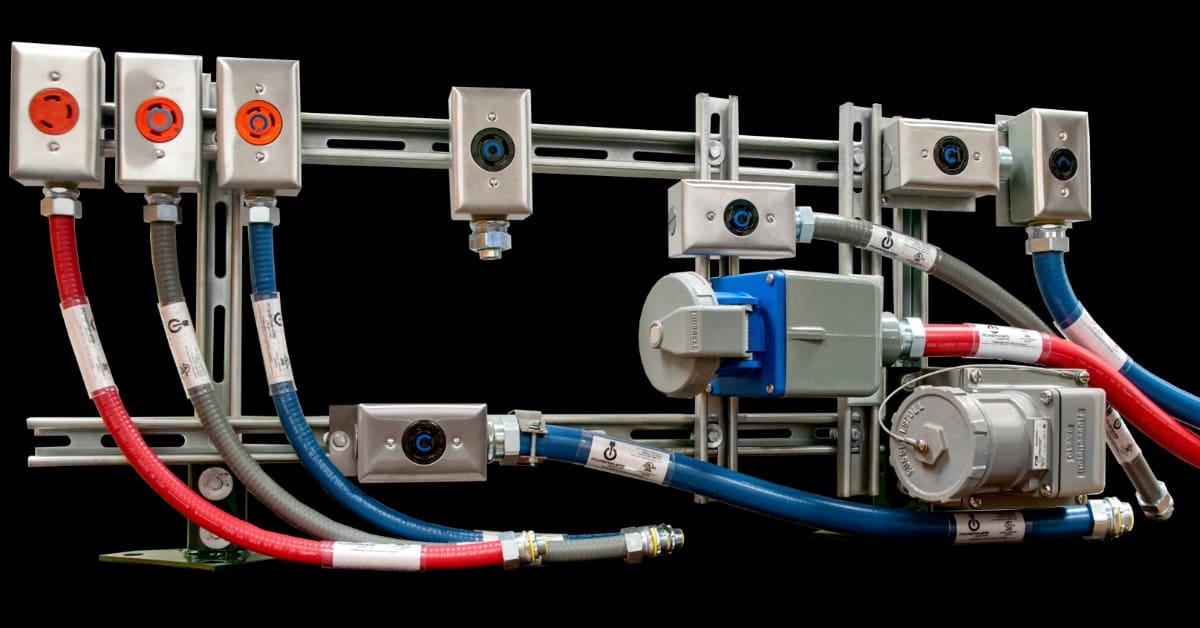
Global electrical projects require more than matching a plug to a receptacle by appearance. Industrial power systems often cross regional boundaries and equipment standards. A connection that works in one facility may not match the voltage system in another. Teams that understand IEC pin-and-sleeve clock positions for global deployments can reduce ordering mistakes before equipment reaches the jobsite.
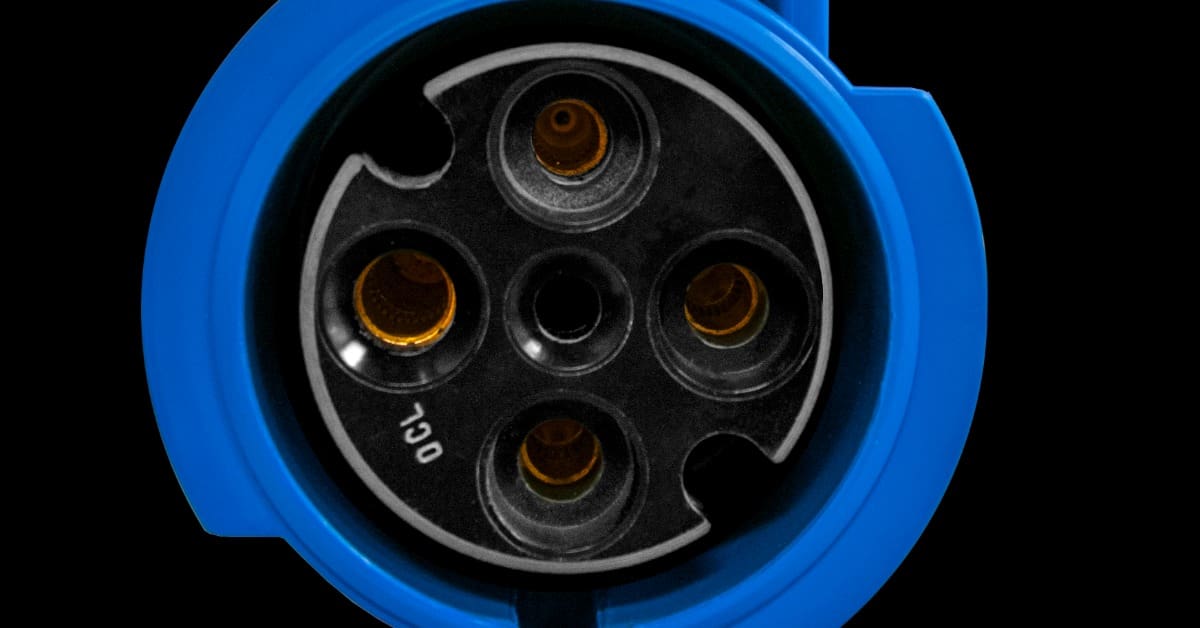
For IEC 60309 devices over 50V, the clock-position system identifies the location of the protective earth contact relative to the keyway on the connector face. In global deployments, this design feature supports safer selection and more consistent power planning.
The Role of Clock Positions in IEC Connections
You will often find IEC pin-and-sleeve connectors in industrial facilities and data centers. Their value comes from repeatable design and clear identification. A connector must communicate its intended electrical use before anyone energizes the circuit, and clock positions help create that clarity.
Instead of relying only on printed labels, the connector body uses a physical orientation system. This system provides technicians with a visible and mechanical cue during installation, which is crucial when teams manage power connections across different countries.
Physical Keying Reduces Mismating
The clock position works with the connector’s pin layout. One configuration of plug should not mate with a receptacle meant for a different configuration. This design protects against many common connection errors. However, teams must still perform electrical testing and final verification.
How the Clock Position System Works
The term “clock position” refers to a location on the connector face that installers can read like a clock. The keyway serves as the reference point. The protective earth contact then appears at a designated hour position, which corresponds to the intended voltage and frequency application. This system makes the connector more than a mechanical interface; it becomes part of the identification strategy for the electrical system.
Color Coding and Clock Position Work Together
IEC 60309 devices also use housing colors to indicate voltage ranges. Blue housings commonly relate to 200V to 250V applications. Meanwhile, red housings commonly relate to 380V to 480V applications. These color conventions help technicians quickly recognize the general voltage range.
Color alone does not complete the specification. Clock position provides another layer of identification.
Do Not Rely on Color Alone
Color helps technicians quickly recognize devices during installation and maintenance. However, teams should never use color as the only selection method. Always confirm the device marking and electrical rating, especially when products move between regions.
Why Global Deployments Increase Connector Risk
Global deployments often involve equipment from different markets. A data center team may source hardware in one region and install it in another. On the other hand, an industrial operator may standardize machinery across several countries.
Those conditions increase the risk of assumptions. A connector that looks familiar may not match the local power system. Reviewing the clock position helps teams catch those differences before placing an order.
Common IEC Planning Questions for Global Teams
International projects usually create similar specification questions. Teams must confirm whether the device matches the local system and whether the cable assembly fits the equipment interface. A structured review in this step can prevent costly ordering mistakes.
Before specifying IEC pin-and-sleeve devices, confirm:
- Local voltage requirements
- Required frequency
- Pin count and wiring arrangement
- Protective earth clock position
- Housing color and device rating
- Amperage requirement
- IP rating for the environment
- Cable length and routing needs
This checklist helps teams move from assumption to specification. It also gives suppliers the details they need to build the correct assembly.
Voltage and Frequency Must Match the Application
IEC clock positions help distinguish voltage and frequency combinations. This distinction matters because many global projects involve equipment designed for different utility systems. Even if a connector matches the voltage range, it still requires the correct frequency for the application. Use equipment documentation to guide this decision.
Review device markings before procurement. If the equipment requires a specific IEC configuration, ensure the cable assembly follows that requirement. Start with the load and work backward to the connection for the safest process.
Equipment Requirements Should Lead
Do not let available inventory determine connector selection. Start with the equipment being powered first. Then let the electrical requirement guide the assembly. Never let inventory convenience override compatibility.

Extra-Low-Voltage Devices Need Separate Attention
Most discussions about IEC clock positions focus on devices over 50V because the protective earth contact provides the key reference. However, extra-low-voltage IEC devices can use different keying approaches. Carefully review these applications instead of assuming they match familiar devices. Use the manufacturer’s documentation when the configuration falls outside common facility power ranges.
The Role of IP Ratings in Global Conditions
Clock position helps with electrical compatibility, but you must also consider environmental protection. IEC pin-and-sleeve devices often serve harsh locations. A connector may face moisture or dust after installation and may operate near wash-down activity or outdoor exposure. Account for the actual operating environment in global projects to prevent a correct electrical selection from becoming a poor field choice.
How Cable Assemblies Support Global Standardization
A connector strategy only works when the cable assembly matches the plan. The finished assembly must support the equipment and the installation environment. In global deployments, cable assemblies allow teams to repeat the correct configuration across many locations. That repeatability reduces field improvisation.
Consistency Helps Multi-Site Teams
Multi-site teams need documentation they can trust. A consistent cable assembly strategy makes replacement planning easier and helps technicians identify the intended connection during future maintenance. Repeatable details like these drive global deployment success.
Building a Stronger Global Power Strategy
You must pay careful attention to connector details in global power planning, and clock position plays an important role in that process. Housing color and pin configuration add even more context. Environmental rating then helps you confirm whether the device suits the actual installation space.
When teams plan around IEC pin-and-sleeve clock positions for global deployments, they build a stronger foundation for international power distribution. The right cable assembly simplifies ordering and reduces field uncertainty. Start with the equipment requirement for a strong strategy. With the right partner, facilities can standardize without ignoring regional electrical differences.
Electrol PowerWhips simplifies global power planning with IEC 60309 power cords built for the correct voltage needs and operating environment. When clock position and connector compatibility matter, the right cord assembly reduces mismatches before they slow a deployment. Contact us to discuss solutions designed to support safer connections and more reliable performance across global installations.