
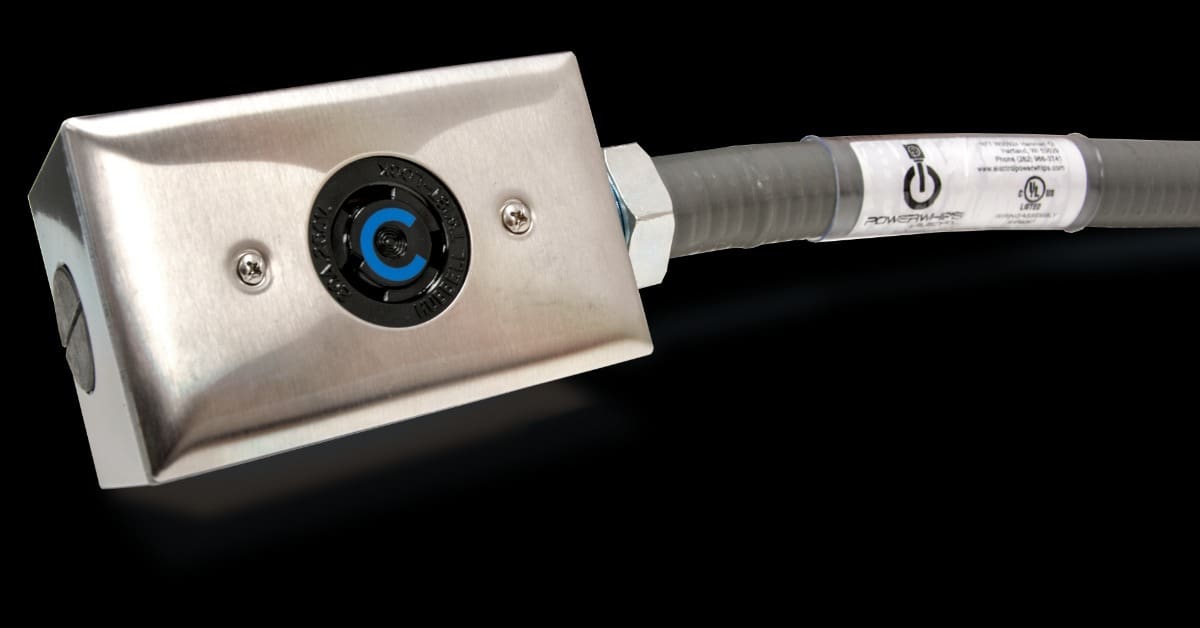
Medical equipment rooms depend on steady power and careful connection planning. A receptacle that works well in one space may create unnecessary risk in another. When teams compare using NEMA 5-20R vs. L5-20R for sensitive medical equipment rooms, they need to look beyond the plug shape. The better choice depends on equipment requirements and how staff interacts with the room.
Both configurations support 20-amp, 125-volt applications, which can make the decision feel simple at first. The major difference is the connection style.
Receptacle Selection in Medical Spaces
Sensitive medical equipment rooms often support devices that require stable operation. Imaging support equipment and monitoring systems may depend on reliable power, and a loose connection can interrupt performance at the worst possible time. That makes receptacle selection part of the broader uptime strategy.
Facilities should also consider how often staff accesses the room. Some spaces see routine movement around equipment, while others stay controlled with limited interaction. The more activity a room sees, the more connection security matters.
Understanding NEMA 5-20R
A NEMA 5-20R receptacle is a common 20-amp, 125-volt straight-blade configuration. It often appears in commercial buildings because it supports standard plug-in access. Many 5-20R receptacles use a T-slot design that can accept compatible 15-amp and 20-amp plugs. This makes the configuration familiar to many facility teams.
Where 5-20R Fits Best
A 5-20R can make sense when equipment needs an accessible connection and the room does not create frequent cord disturbance. It can also support spaces where staff need simple plug access during service or equipment changes. In medical settings, the device should still match the required grade and code expectations. A familiar receptacle does not remove the need for proper specification.
Understanding NEMA L5-20R
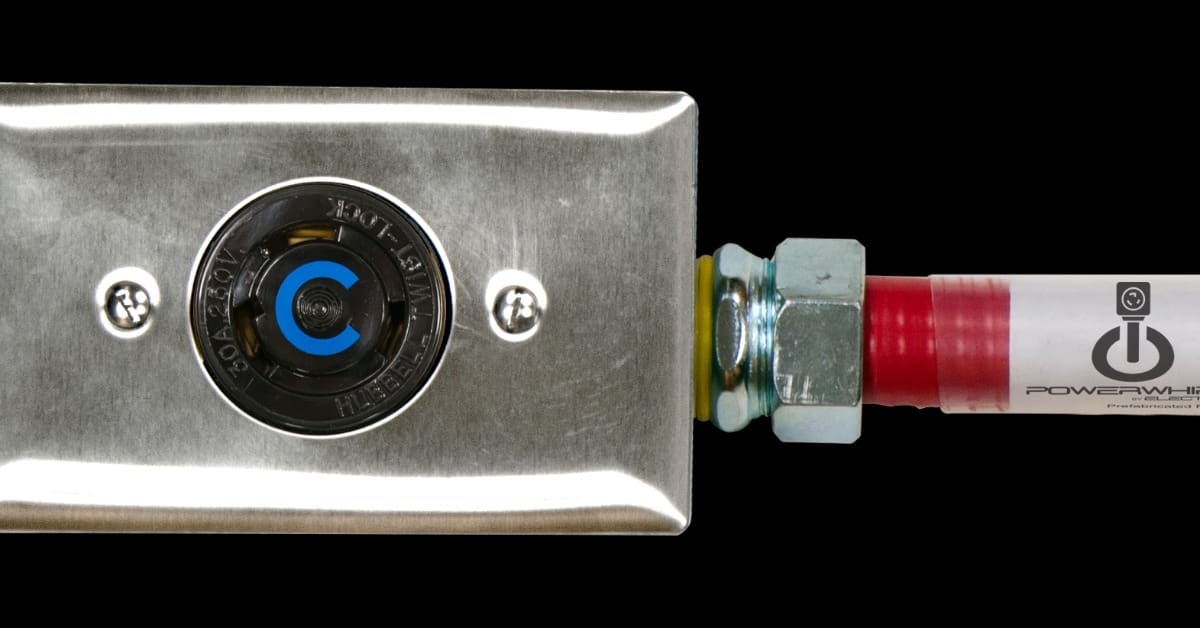
A NEMA L5-20R receptacle is also rated for 20-amp, 125-volt use. The key difference is the locking connection. A compatible plug inserts and twists into position. This helps reduce accidental disconnection from cord movement or vibration.
Locking Connections Feature
Sensitive equipment rooms may contain power cords that people can bump during service. A locking receptacle provides greater mechanical security. That added retention can matter when equipment must remain energized during normal operation. It can also support clearer control over dedicated circuits.
Comparing Straight-Blade and Locking Designs
The practical difference between these receptacles shows up during real use. A 5-20R gives teams easier plug-in access. An L5-20R provides stronger retention once the connection locks. Neither option is automatically better in every medical equipment room.
A straight-blade receptacle can serve well in controlled rooms with low disturbance risk. A locking receptacle may work better when equipment movement could affect the cord. The facility’s electrical design and equipment manufacturer’s requirements should guide the selection.
Medical Equipment Rooms Need More Than Amperage Matching
Matching amperage and voltage only solves part of the selection process. A sensitive equipment room may require specific grounding performance. It may also connect to an essential electrical system or other protected power source. Facility teams should confirm those requirements before choosing a receptacle.
Medical environments often follow strict internal standards, which may define color coding and circuit identification rules. The receptacle configuration should support those standards instead of creating exceptions.
Hospital Grade Still Matters
A receptacle can use a familiar NEMA configuration and still vary in device grade. Hospital-grade receptacles must meet more demanding construction and performance expectations than general-use devices. The green dot marking also helps identify hospital-grade status on applicable devices. Medical teams should verify both the configuration and the device grade before installation.
When 5-20R May Be the Practical Choice
NEMA 5-20R may fit medical equipment rooms where accessibility matters more than mechanical locking. Some equipment requires frequent service or replacement. Staff may need straightforward disconnect access during planned work. In these cases, a straight-blade receptacle can support efficient operations.
That does not mean the device should be treated casually. The circuit should still match the load and facility standard.
When L5-20R May Offer a Better Fit
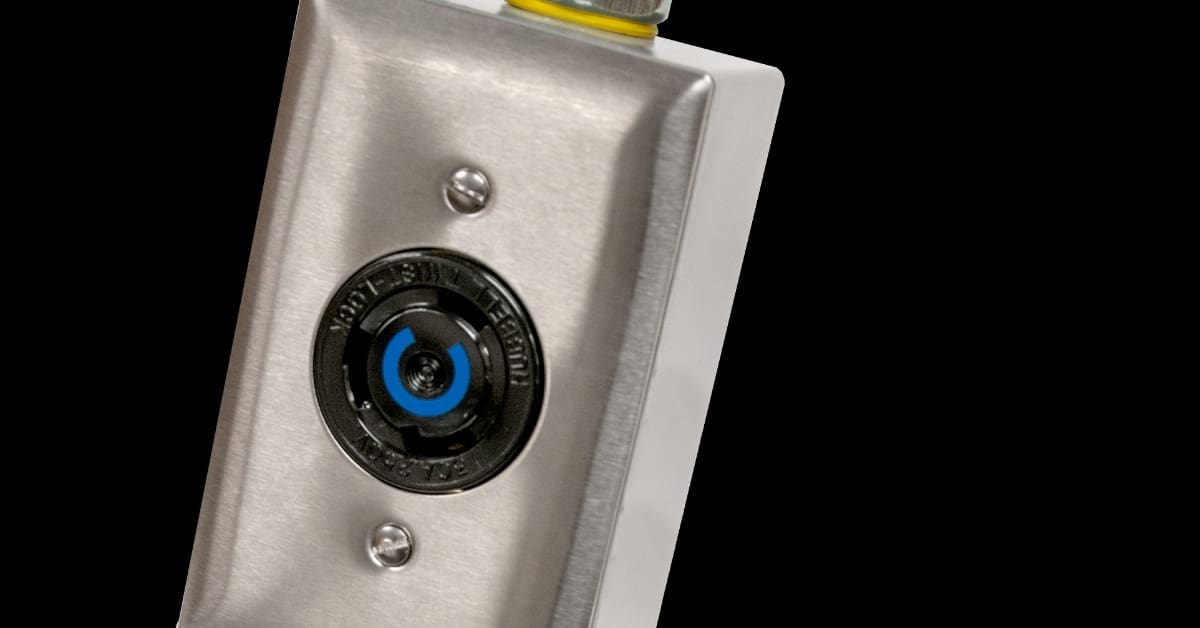
NEMA L5-20R may offer a better fit when accidental disconnection creates a serious operational concern. Rooms with carts, service activity, vibration, or tight clearances may benefit from a locking interface. The twist-lock design can help keep a compatible plug seated during normal activity. That extra security can reduce avoidable interruptions.
Locking receptacles can also help distinguish dedicated equipment connections. A facility may use them to limit casual plug-in use. This approach can support better control over sensitive loads.
Key Questions Before Choosing a Receptacle
Teams should first review how the equipment operates and how the room functions day to day. They should also confirm what the manufacturer expects from the power connection.
Before specifying 5-20R or L5-20R, confirm:
- Equipment voltage and amperage requirements
- Plug configuration supplied with the equipment
- Hospital-grade requirements for the room
- Essential power or backup power connection needs
- Risk of accidental cord movement
- Facility standards for identification
- Service access needs during maintenance
- Future equipment replacement plans
This checklist helps prevent mismatched decisions. It also gives contractors and facility teams a clearer path during procurement.
Avoiding Common Specification Mistakes
One common mistake involves choosing a locking receptacle without checking the equipment cord. If the device ships with a straight-blade plug, the facility may need an approved cord solution or a different receptacle strategy. Another mistake involves assuming that locking means medically appropriate. A locking device still needs the right rating and grade.
Teams also create problems when they standardize too broadly. One room may need easy service access, while another may need stronger cord retention. A single default configuration can miss important differences between spaces.
Do Not Solve a Workflow Problem With the Wrong Device
Sometimes a receptacle choice gets used to solve a workflow issue. A locking receptacle may prevent casual unplugging, but it does not replace staff training. It also does not replace clear labeling. Facilities should use the correct electrical device and support it with proper operational procedures.
Building A More Reliable Connection Strategy
Medical equipment rooms need connection strategies that support uptime and serviceability. A 5-20R can provide accessible straight-blade connectivity when the application allows it. An L5-20R can add retention when accidental disconnection presents a greater concern.
The right decision comes from evaluating the room and the equipment together. When teams weigh NEMA 5-20R against L5-20R for sensitive medical equipment rooms, the goal should be to match the receptacle to the operational risk.
Electrol PowerWhips can support that process with NEMA cord solutions built around voltage and room requirements. In sensitive medical equipment rooms, the right cord assembly helps support secure connections and reliable performance where uptime matters. Contact Electrol PowerWhips today to discuss a solution designed for your equipment and facility standards.