
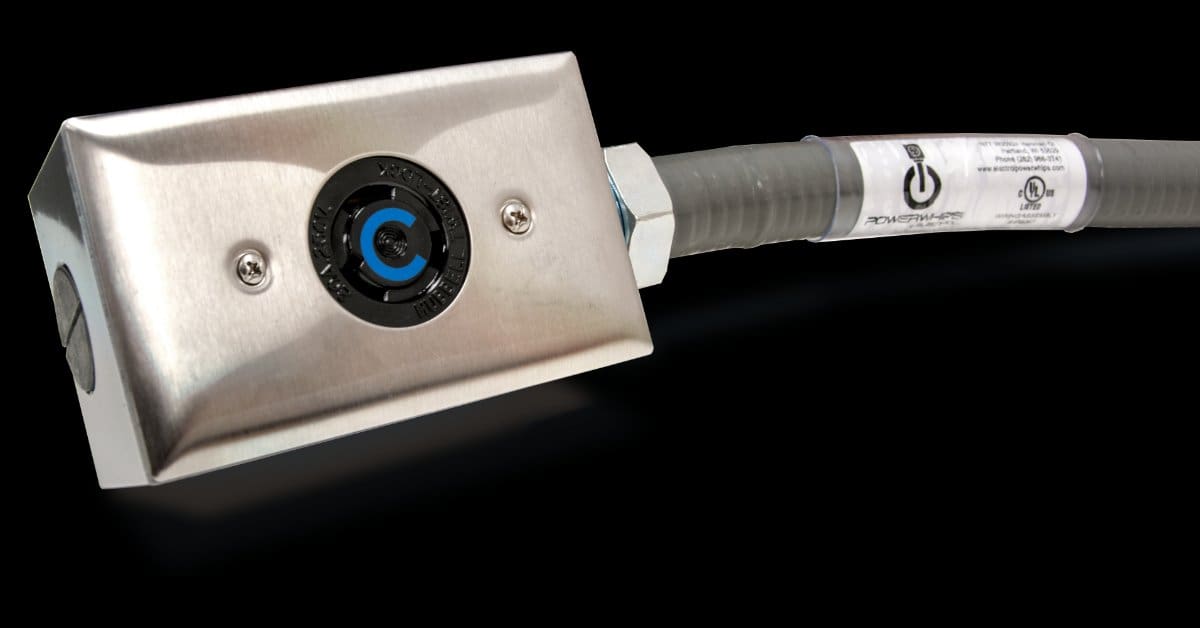
High-density server farms continue pushing power distribution strategies into more demanding territory. As rack densities increase and infrastructure expands, facilities need connection standards that support reliable power delivery without creating unnecessary complexity.
In that environment, teams often rely on NEMA L21-30 configurations for high-density server farms because these locking connectors support three-phase power distribution in a compact and widely recognized format. Explore why this configuration remains especially common in environments that require consistency and reliability.
Why L21-30 Still Matters in Modern Server Farms
Not every power connector fits the demands of high-density infrastructure. Some environments need compact distribution methods that can support balanced three-phase loads while maintaining secure connections during long-term operation. The NEMA L21-30 configuration supports 120/208V three-phase power and is commonly used in data centers because it can deliver multiple branch circuits through a single connector.
A facility may need to support multiple rack rows and change compute loads without rebuilding the entire branch power strategy. Standardized locking configurations help create a more manageable deployment environment.
Understanding the Basic Configuration
The L21-30 configuration uses a locking design built around three-phase power distribution. It typically includes five connections: three hot conductors, one neutral, and one ground. That setup supports 120/208V power distribution commonly used in North American commercial and data center environments. The locking mechanism also helps prevent accidental disconnection during operation.
Why the Locking Design Matters
High-density server farms place constant demand on electrical infrastructure. A loose or partially disconnected power connection introduces unnecessary downtime risk in environments where uptime constantly matters. The locking feature maintains a more secure connection compared with non-locking alternatives.
How L21-30 Supports Rack Power Distribution
Server farms often distribute three-phase power from upstream equipment into rack-level power distribution units. The L21-30 format supports this workflow by allowing facilities to feed multiple single-phase branch loads from a single three-phase source. That flexibility helps facilities distribute power across racks more efficiently while supporting balanced loading strategies.
Balanced Loads Improve Power Management
Balanced loading is crucial in high-density environments, as uneven distribution can place unnecessary strain on electrical infrastructure. Proper phase balancing also helps facilities reduce concerns about neutral loading and maintain more predictable power usage across the system. L21-30 configurations fit naturally into these distribution strategies because they align with common 120/208V three-phase architectures that server farms use.
Why High-Density Environments Need Better Cable Coordination
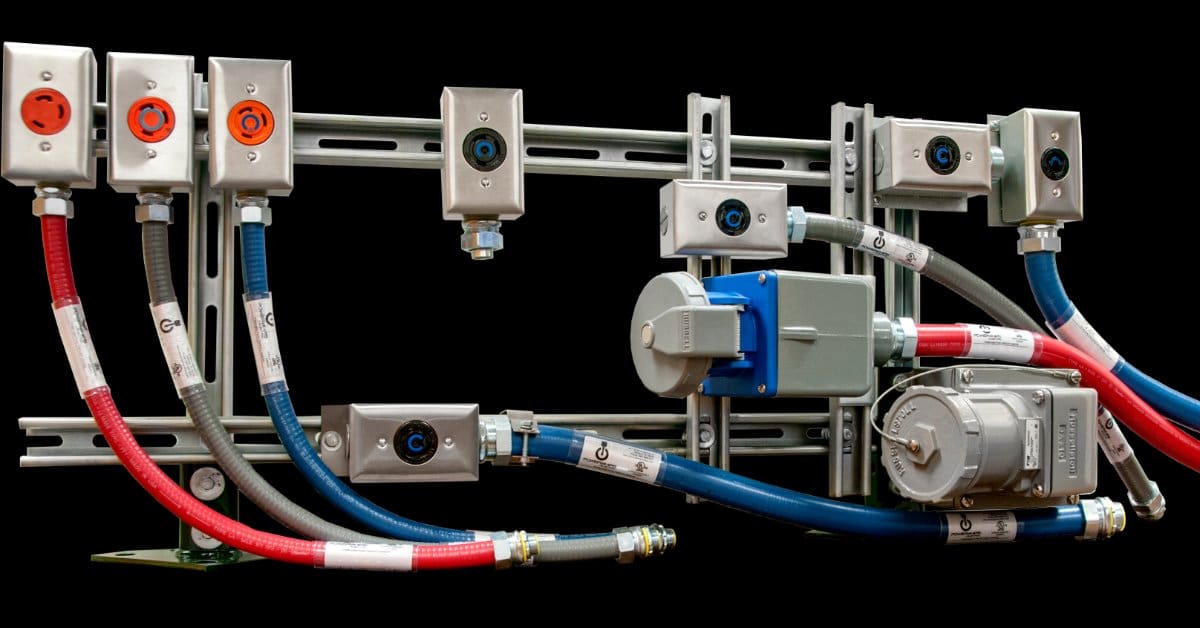
As rack densities rise, cable management becomes more important. Power distribution paths often compete with network cabling, cooling systems, containment structures, and service access requirements. Poor coordination can create congestion around the racks and make maintenance more difficult than necessary. A standardized locking connector helps simplify part of that environment by creating a consistent connection approach across multiple racks or PDUs.
Repeatability Helps Larger Deployments
Large server farms rarely build one cabinet at a time. Teams often deploy rows or sections using repeatable infrastructure standards. Consistent connector configurations make installation planning easier and help reduce confusion during expansion projects. Procurement teams also maintain greater consistency across replacement and spare inventory by using these standards.
Understanding the Limits of the Configuration
The popularity of L21-30 does not mean it automatically fits every environment. A 30-amp locking connector still requires proper upstream protection, conductor sizing, and load planning. Do not assume that a familiar connector eliminates the need for an electrical review. High-density server farms will always need careful analysis of load distribution and future growth expectations.
Connector Selection Should Follow the Design
Teams sometimes choose connectors based on familiarity rather than application requirements. That approach can create limitations later if rack densities increase beyond the original assumptions. Start with the electrical design itself, including voltage strategy, redundancy requirements, and PDU architecture. Let the connector choice support that design rather than drive it.
The Role of Power Whips in High-Density Deployments
Power distribution does not stop at the receptacle. Once power reaches the rack environment, the cable assembly itself becomes part of the reliability strategy. Specify power whips properly to help facilities maintain cleaner deployments and support more organized rack-level power distribution.
In high-density server farms, the right whip configuration reduces field improvisation and supports more consistent deployment practices. As environments scale, that consistency becomes even more valuable.
Installation Details to Keep in Mind
A high-quality connector configuration still depends on proper installation. Cable strain, routing pressure, unsupported weight, and excessive bend stress can all affect long-term performance. Teams should avoid forcing cable assemblies into tight spaces simply to improve appearance or reduce visible cable length. Cleaner routing should never come at the expense of mechanical stress.
Serviceability Should Remain Part of the Plan
Server farms evolve quickly. Cabinets change, loads shift, and equipment refresh cycles alter rack layouts over time. Technicians benefit when they can access connectors and cable assemblies without disrupting the structure unnecessarily. Good serviceability supports faster maintenance and lowers the chance of accidental disruption during future work.
Common Mistakes in High-Density Power Distribution
Many power distribution problems begin with assumptions rather than hardware failures. Teams may overload branch circuits gradually as equipment changes over time. Others may create uneven phase loading because rack additions happen without reviewing the original balance strategy. Some facilities also underestimate the physical congestion that develops around rack-level power distribution during multiple deployment phases.
A stronger deployment strategy should include:
- Clear phase balancing plans
- Consistent connector standards
- Organized cable routing pathways
- Accessible service locations
- Proper strain relief and support
- Capacity planning for future growth
Why Standardization Supports Long-Term Scalability
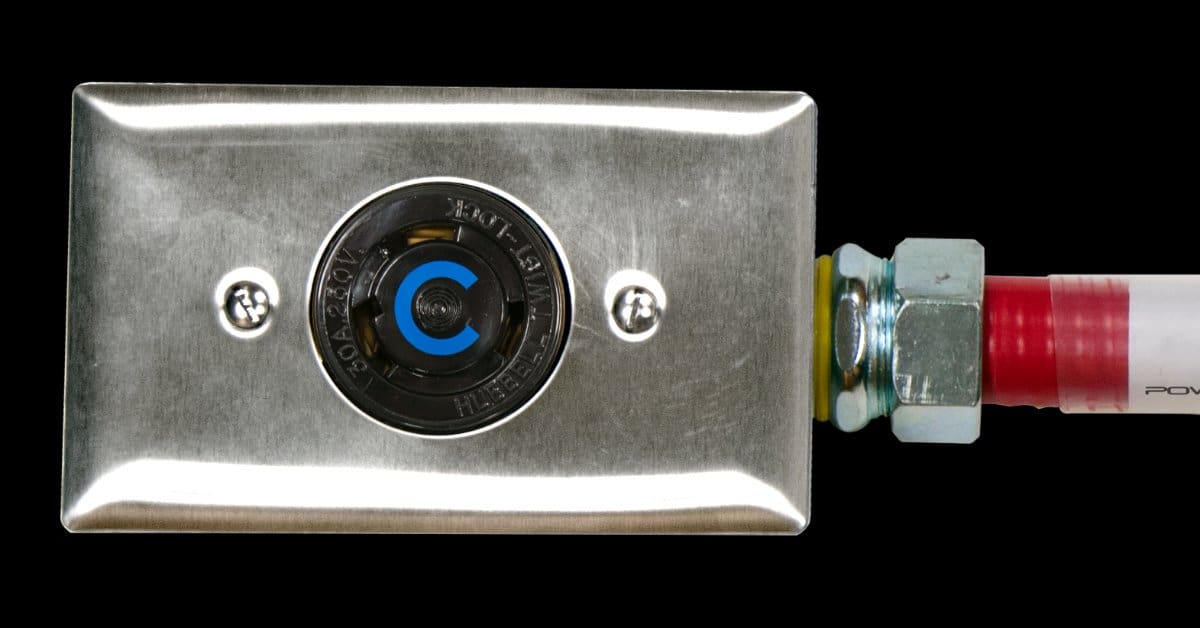
Standardized power distribution strategies make high-density environments easier to manage over time. Facilities that use consistent configurations across PDUs and cabinet deployments scale more efficiently without introducing unnecessary variation. This approach helps maintenance teams troubleshoot faster and simplifies future expansion planning. Standardization also helps reduce deployment inconsistencies between installation phases.
That does not mean every environment should use identical configurations forever. Infrastructure needs change as compute density increases and power architectures evolve. However, maintaining predictable connection standards wherever practical still benefits facilities. L21-30 remains common partly because it continues to fit many modern three-phase rack distribution needs.
Supporting Reliable High-Density Power Distribution
Modern server farms depend on stable and scalable power distribution. Connector selection may seem like a small detail compared to cooling systems or switchgear, but the connection strategy still affects reliability throughout the rack environment. For this reason, many facilities continue to rely on NEMA L21-30 configurations for high-density server farms in three-phase distribution designs.
Electrol PowerWhips supports demanding server environments with assemblies built around real-world rack power requirements. The right NEMA cord can help simplify deployment, support cleaner cable organization, and maintain a secure connection strategy across high-density rack layouts. Contact us today to find the solution tailored to your server farm’s power needs.