
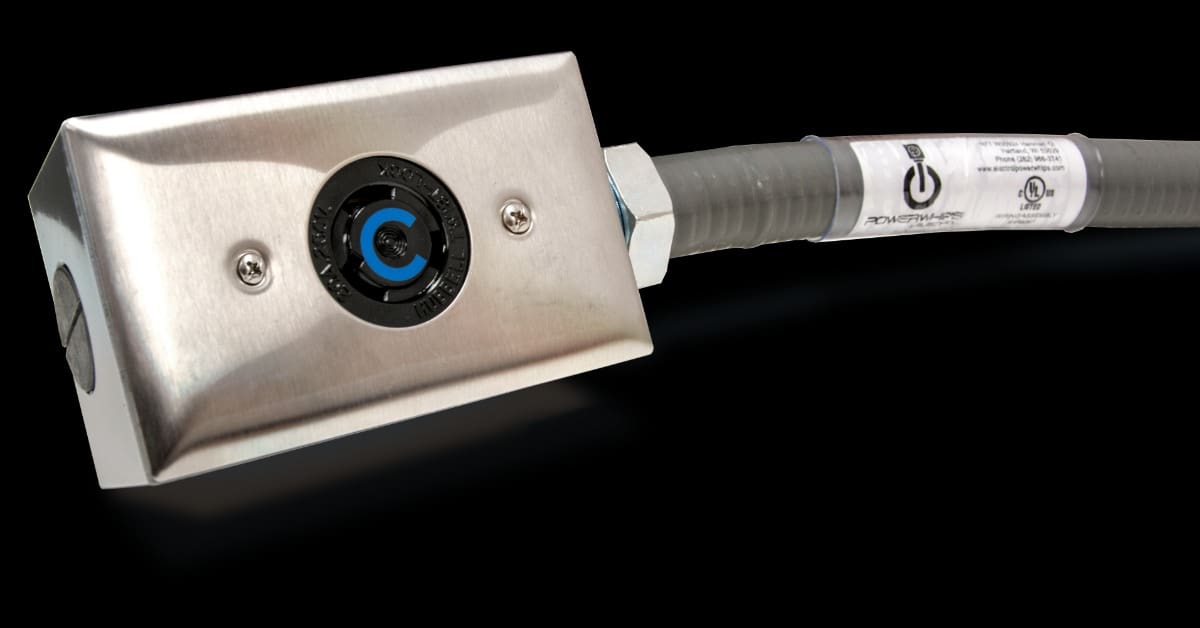
Electrical equipment does not always operate in a perfectly still environment. Motors can transfer movement into nearby infrastructure, and mechanical equipment can create persistent vibration that eventually reaches electrical connections. NEMA locking receptacles shine in vibration-heavy installations when teams need a power connection that resists accidental separation better than a conventional straight-blade design.
Rather than treating the receptacle as an isolated component, it’s better to specify the entire cable assembly around the electrical requirements of the equipment it serves. This results in a connection that fits the circuit, while also giving the plug and receptacle a more secure mechanical relationship.
Why Vibration Changes the Connection Strategy
A standard straight-blade connection depends largely on the engagement between the plug blades and receptacle contacts, which works well across many applications. However, persistent vibration creates another challenge because movement can transfer through the cable and reach the connection point.
A locking device changes how easily that connection separates. In this case, the compatible plug enters the receptacle and rotates into the locked position. As a result, pulling directly on the cable no longer releases the plug in the same way it can with a conventional straight-blade connection.
This distinction becomes especially valuable when nearby equipment runs continuously. Here, the locking geometry provides additional mechanical retention without requiring technicians to improvise another way to hold the connection together.
How NEMA Locking Power Connections Work
NEMA configurations establish defined plug and receptacle patterns for specific electrical applications. Locking configurations use an “L” designation that distinguishes them from straight-blade devices. For example, a NEMA L5-20 configuration serves a different electrical application than an L6-20 configuration.
The physical arrangement prevents incompatible configurations from mating normally. That makes the NEMA designation important for more than just the locking action. It communicates how the device is intended to connect within the electrical system.
The Locking Action Provides Retention
In vibration-heavy applications, the benefit comes from the relationship between the matching plug and receptacle. Once the plug turns into position, normal movement is much less likely to cause an unintended disconnect.
The locking design effectively keeps compatible electrical devices mechanically engaged during normal operation.
Reduced Accidental Disconnects Protect Continuity
An unexpected disconnect can stop equipment immediately. In applications where machinery moves constantly, that risk deserves attention before commissioning, not after repeated connection problems appear.
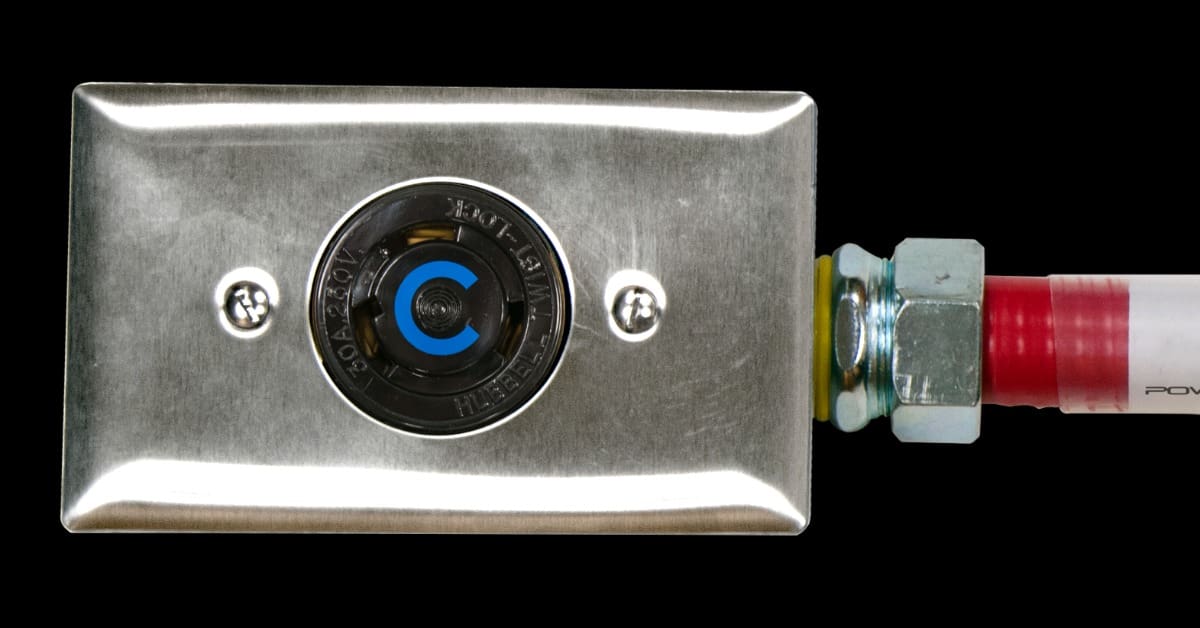
A locking receptacle helps reduce that exposure. Vibration transmitted through the cable cannot simply pull a properly engaged plug straight out of the device. The connection remains mechanically retained until someone deliberately unlocks it.
A brief power loss can interrupt production or require equipment to restart. Even when the outage lasts only moments, the operational effects can continue much longer. While a locking connection does not guarantee uninterrupted power, it does remove one avoidable source of disconnection from the design.
Prefabricated Cables Improve Connection Consistency
A locking receptacle performs as part of a larger electrical connection. Specifying the entire NEMA power cable as a prefabricated assembly gives project teams more control over how those components come together.
The NEMA configuration can match the equipment requirements before the assembly even reaches the site. In addition, appropriate cord grips can help secure the cable where it enters the device. This approach reduces unnecessary field assembly, and also makes it easier to repeat the same connection strategy across multiple pieces of equipment.
Choose The Correct NEMA Configuration First
Vibration resistance should not take precedence over electrical compatibility. In fact, a locking connection is effective only when the NEMA configuration matches the circuit and equipment. Both voltage and current rating determine the appropriate device.
Before specifying a NEMA power cable, confirm:
- Required system voltage
- Circuit ampere rating
- Correct locking configuration
- Grounding arrangement
- Matching equipment connection
- Required cable length
- Conductor requirements
- Installation environment
The vibration benefit only becomes relevant after those fundamentals are correct. A secure connection with the wrong electrical configuration is still the wrong connection.
Locking Devices Help Manage Cable Movement
Vibration does not always act directly on the receptacle. Instead, it often travels through the connected equipment before reaching the cable. A cable hanging under its own weight can also introduce movement, and nearby maintenance activity can likewise shift the assembly.
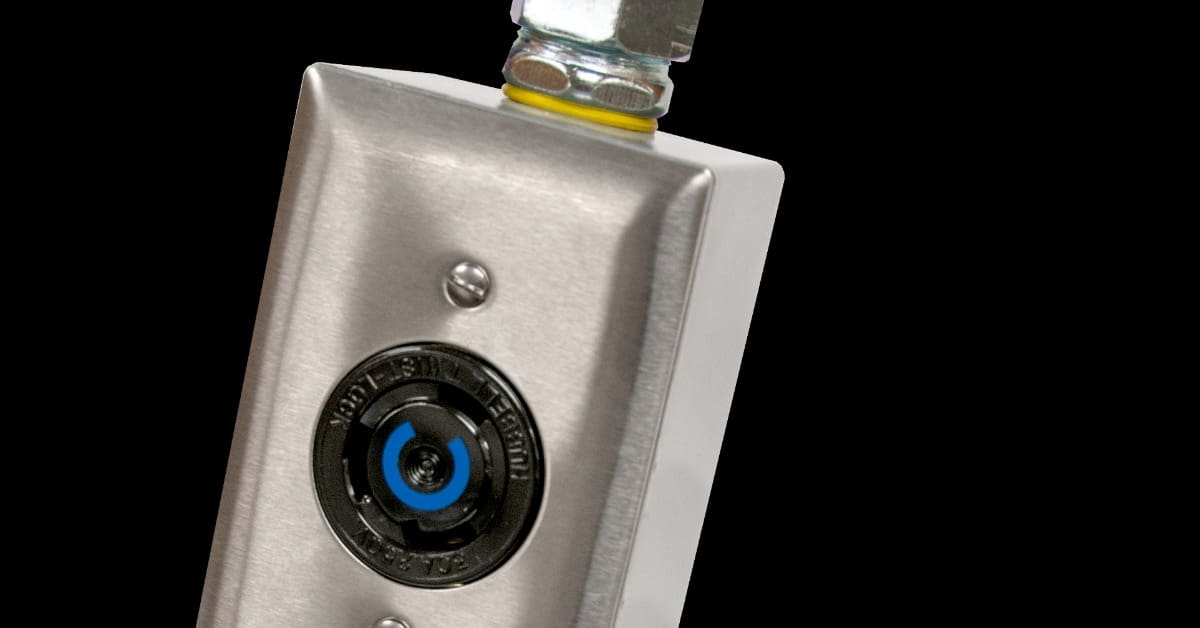
A locking interface gives the cable assembly better resistance against movement that would otherwise encourage separation. This is particularly useful when technicians cannot eliminate all mechanical activity around the connection.
Good cable routing is still crucial. However, the locking device should not excuse leaving the cable under constant tension. Appropriate slack lets the cable follow a natural path without constantly pulling against the connection.
The most reliable installation uses the lock for retention, not as a replacement for proper cable management.
Locking Power Cables Support Repeatable Installations
Repeatability becomes another advantage when a facility uses the same electrical connection at several locations. A prefabricated NEMA power cable gives teams a defined assembly rather than a collection of parts that technicians must combine during installation.
The cable can arrive at the specified length. The locking connection can already match the intended equipment. This reduces unnecessary decisions on site.
That approach becomes useful when multiple connections need the same configuration. Maintenance teams can also identify replacement requirements more easily because the original assembly follows a known specification.
Vibration-heavy environments benefit from that consistency. When one connection performs well, teams can apply the same properly specified assembly to similar equipment instead of creating a different field solution every time.
Build a More Secure Power Connection
Persistent vibration alters expectations for electrical connections. That’s why plug retention requires careful consideration when movement can compromise standard connections.
Using NEMA locking receptacles for vibration-heavy installations provides a practical way to resist accidental separation. When those devices are part of a properly specified NEMA power cable, the connection can address both electrical compatibility and the mechanical conditions found at the equipment.
The strongest solution begins with the circuit requirements. Once those are established, teams can then select the appropriate locking configuration and cable assembly for the installation.
Electrol PowerWhips provides NEMA power cable solutions tailored to your project specifications and connection needs. In vibration-heavy environments, the right locking configuration reduces the risk of unintended disconnects. Contact Electrol PowerWhips to discuss power solutions designed for your equipment and installation requirements.