
Pod-based data center deployments rely on repeatability to succeed. Teams no longer treat each rack as a separate project. Instead, they design standardized groups of racks that share defined power paths. This approach improves scalability and predictability, but it also raises the stakes for cable planning.
Facilities that specify pre-terminated whip lengths for pod-based deployments create a cleaner, more controlled power distribution system from the start. Power whips may appear minor within a large data center build, but their impact runs deeper. Read on and explore their role before your next deployment,
Why Pod-Based Deployments Need Better Whip Planning
Pod-based deployments perform best when the infrastructure layout repeats consistently across each block. Rack layouts, PDU placement, and service pathways must align with a unified installation approach. When whip lengths vary without purpose, that consistency breaks down. As a result, maintenance becomes more complex and time-consuming.
Pre-terminated assemblies reduce the need for on-site termination work. They also improve consistency when teams deploy similar rack groups in phases. This advantage becomes critical in high-density environments where timelines move quickly.
What Pre-Terminated Whips Bring to the Jobsite
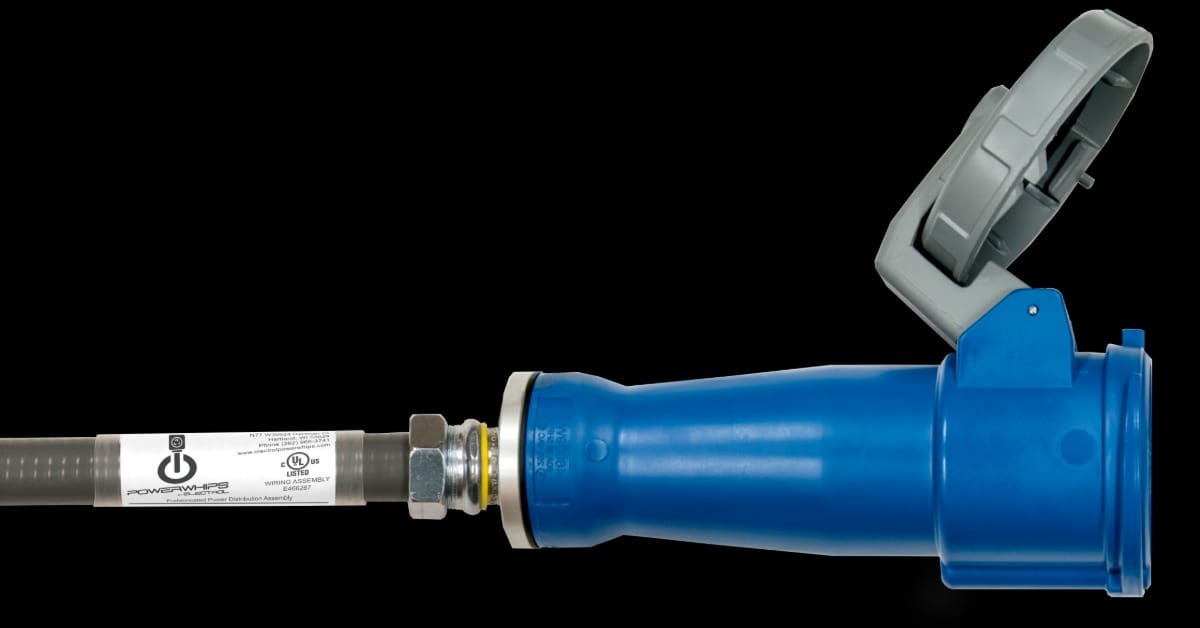
Pre-terminated whips arrive ready for installation with connectors already in place. This preparation eliminates much of the field assembly work that can slow progress under tight schedules. It also ensures that each assembly aligns with project specifications before it reaches the jobsite. That level of predictability becomes essential when teams replicate designs across multiple pods.
However, pre-termination alone does not guarantee success. Teams must still pair it with an accurate length selection. Even a factory-built assembly can create challenges if it forces awkward routing or leaves excess cable in the pathway.
Factory Preparation Reduces Field Variation
Field termination often introduces inconsistencies between installers. Pre-terminated whips reduce that risk by shifting critical assembly work into a controlled manufacturing environment. Crews still need to install and verify each connection, but they begin with a product that reflects the intended design.
Why Length Accuracy Matters
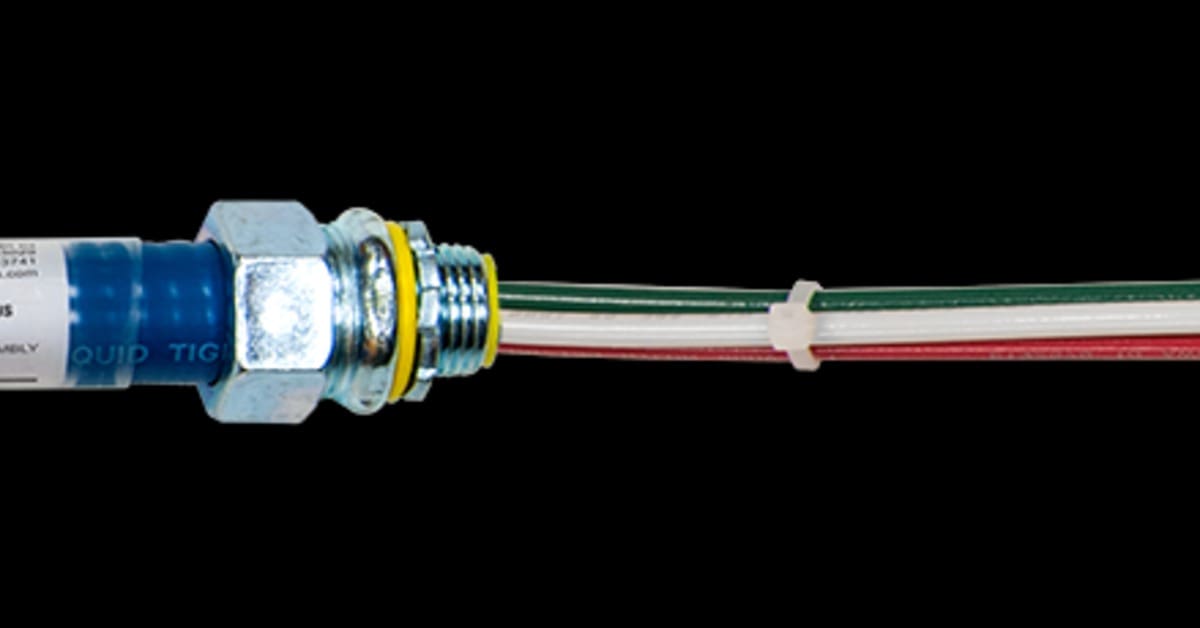
Whip length affects far more than visual organization. It influences strain relief, airflow, service access, and routing efficiency. When a whip measures incorrectly, technicians may bend it too sharply or pull it into place. Over time, that stress can damage the cable jacket and compromise the connection.
Excess length creates a different set of problems. Extra cable accumulates in underfloor spaces or near rack power zones. This buildup restricts access during maintenance and complicates circuit tracing during troubleshooting.
The Goal Is Controlled Slack
Every installation requires enough slack to support service access. Too much slack creates management challenges, while too little slack introduces mechanical stress. The right whip length allows a clean route without forcing tension on the assembly.
Measuring the Route Before Ordering
Accurate measurement begins with the actual cable path. Teams should avoid relying on straight-line distances between the power source and the rack. Real-world routes include bends, overhead drops, and more. Each factor influences the final length requirement.
When layouts repeat across pods, teams should evaluate whether a standardized length can support multiple installations. In many cases, a small range of lengths provides consistency without forcing compromises.
Standard Lengths Versus Custom Lengths
Standard lengths simplify ordering and inventory management. They work well when pod layouts follow a consistent design. However, most deployments include variations near power distribution equipment and transition points. These areas often require custom lengths to maintain proper routing.
Custom whip lengths improve fit and eliminate the need for field adjustments. They also support cleaner cable organization from the outset. Rather than creating unnecessary variation, teams should define a limited set of lengths that align with the pod design.
Avoid Cutting Corners With Near-Matches
Near-matches often lead to long-term issues. Installers may pull a slightly short whip into place, creating tension at the connection. Alternatively, they may coil excess cable in tight spaces when the whip runs too long. Both scenarios introduce avoidable maintenance challenges. Proper specification prevents these problems before installation begins.
How Whip Length Supports Faster Deployment
Execution speed often determines the success of pod-based projects. When pre-terminated whips arrive at the correct length, installation crews work more efficiently. They spend less time adjusting cable runs and more time completing installations. This efficiency helps maintain predictable project timelines.
The benefits multiply across repeated deployments, as small time savings at each rack add up across an entire pod. Consistent whip lengths also allow crews to follow a repeatable process, which reduces confusion during later phases.
Cable Management and Service Access
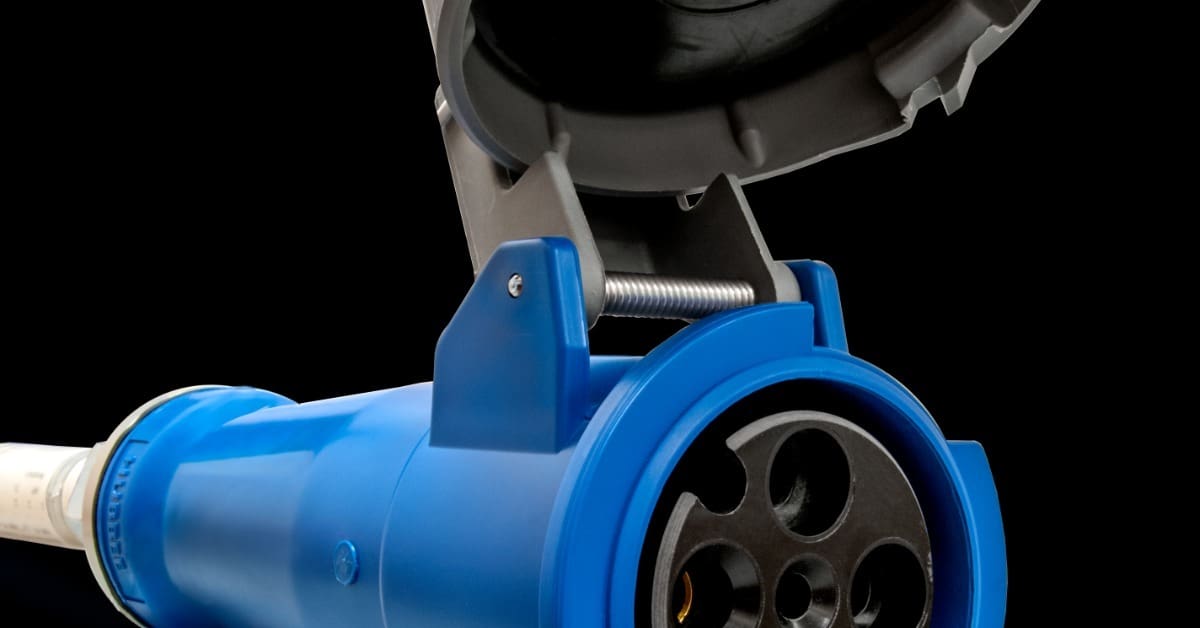
Effective cable management supports long-term performance. A pod may appear organized at installation, but poor routing decisions often surface during maintenance.
A practical whip plan should consider:
- Rack position and final equipment layout
- PDU location and connection orientation
- Underfloor or overhead routing path
- Required service loop allowance
- Bend radius and strain relief needs
- Repeatability across similar pod sections
These factors help teams select lengths that match real-world conditions. They also prevent installation changes that lead to inconsistent results.
Planning Around Power Density
As rack density increases, whip planning becomes more critical. Higher power demands require larger cable assemblies and tighter coordination within limited space. Poor routing becomes less tolerable as density rises. A properly sized whip reduces congestion and supports efficient use of available space.
Higher density also increases the need for serviceability. Technicians must access connection points safely and efficiently. They should not need to move excess cable to reach critical components. A clean whip planning ensures that access remains straightforward.
High-Density Pods Need Repeatable Power Paths
Dense environments demand structured planning, so installers must follow a defined power path that they can repeat across the pod. Pre-terminated whips support this approach when their lengths align with the design. This consistency simplifies both installation and long-term management.
Building a Better Pod Deployment Strategy
Pod-based data center designs succeed when every component supports repeatability. Power whips play a critical role because they connect planned power paths to the equipment that depends on them. The right length reduces cable stress, controls excess slack, and simplifies future service work. A pre-terminated approach makes it easier to replicate these benefits across each pod. When teams plan pre-terminated whip lengths for pod-based deployments early, they build a stronger foundation for installation quality.
Electrol Powerwhips offers data center power whip solutions built for pod-based deployments. The right whip length helps reduce excess slack and prevent unnecessary strain. It also keeps rack power paths easier to manage during installation and future service. Work with Electrol Powerwhips today to find a solution that supports your layout and long-term deployment goals.