
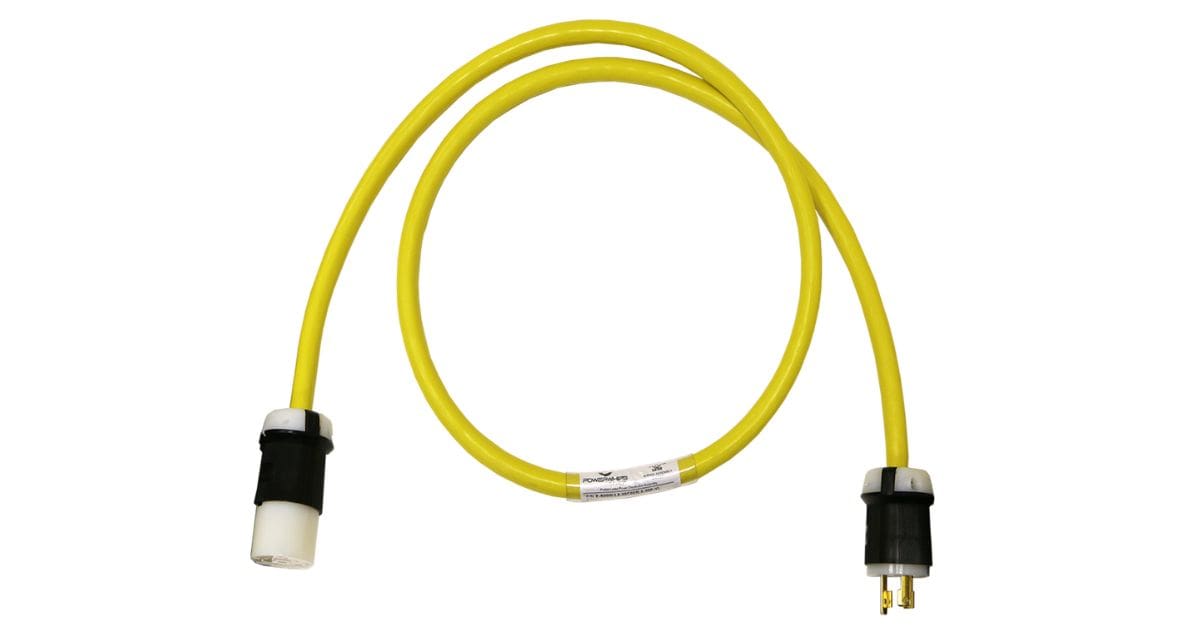
Maintenance and repair are a fact of life in any industrial setting, data center, or co-location facility. While these tasks are essential for keeping operations running smoothly, they can also introduce grave risks to your critical infrastructure. That’s why having a solid plan for protecting SO and TC-ER cabling during maintenance and repair is so important.
These cables are the lifelines of your facility, powering everything from heavy machinery to complex data servers. This guide will walk you through the practical steps and best practices to keep your cabling safe and secure during maintenance work.
Understanding SO and TC-ER Cables
Before we get into protection strategies, let’s quickly review what sets SO and TC-ER cables apart and why they require specific care. Knowing their construction and intended use helps you make better decisions about how to handle them.
What Is SO Cable?
SO cable is a type of flexible, multi-conductor portable cord. The “S” stands for “service,” and the “O” indicates it has an oil-resistant outer jacket. You’ll typically find these cables in applications that require flexibility and durability, such as powering portable tools, equipment, and temporary lighting.
The key feature of the SO cable is its construction. It’s designed to be moved around, bent, and subjected to a fair amount of physical stress. However, its flexibility also makes it vulnerable to crushing, cutting, or abrasion if not handled properly during maintenance activities.
What Is TC-ER Cable?
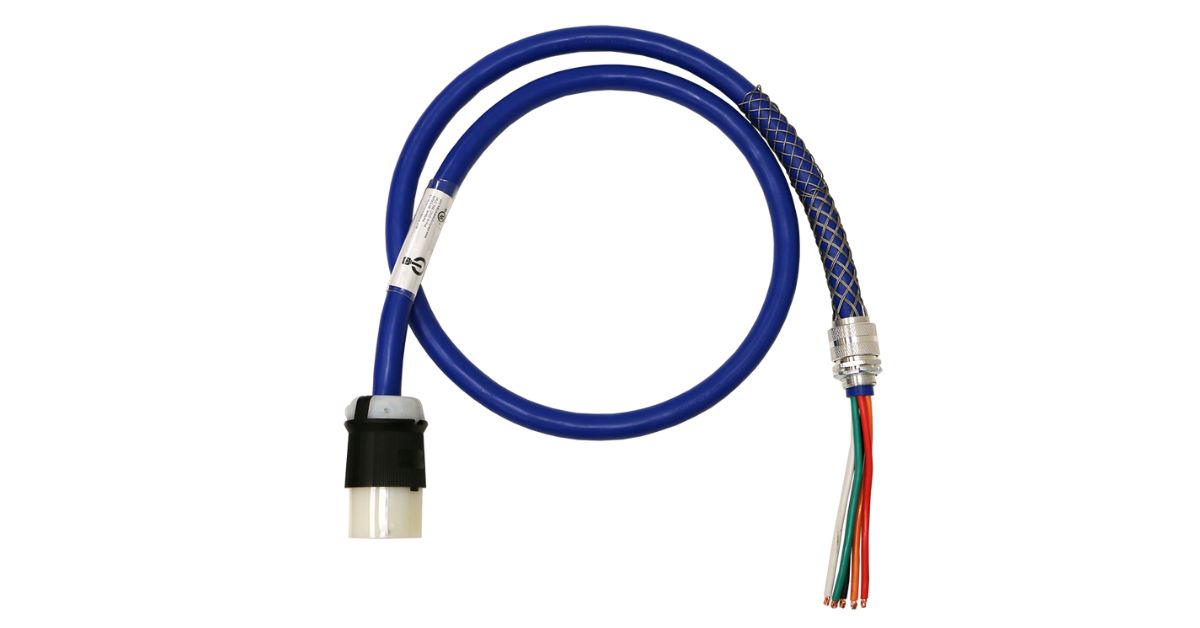
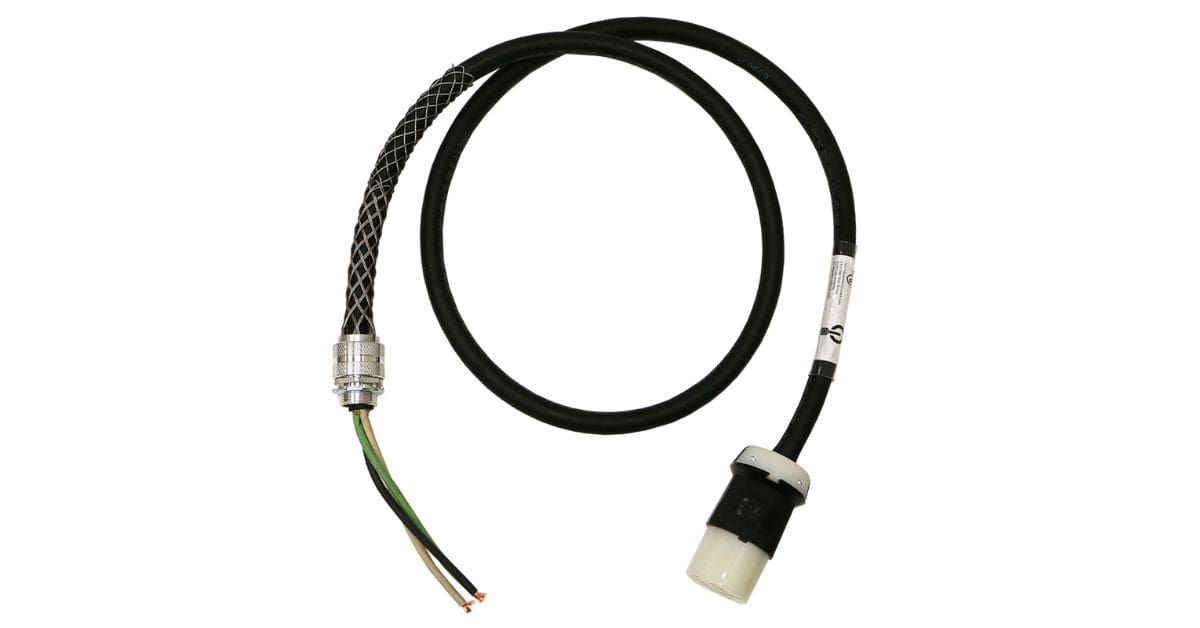
TC-ER stands for “tray cable-exposed run.” This type of cable is approved for use in cable trays, raceways, and, as the “ER” designation implies, in exposed runs between a cable tray and equipment. This eliminates the need for a conduit in many situations, saving time and money during installation.
Unlike the more flexible SO cord, the TC-ER cable is more rigid. It has a robust jacket that offers excellent resistance to sunlight, moisture, and certain chemicals. While it’s tough, it’s not designed for repeated flexing and can be damaged by sharp impacts, improper support, or excessive tension.
Key Risks During Maintenance and Repair
When your team starts a maintenance or repair project, your cabling suddenly becomes exposed to new risks. Awareness is the first step toward prevention.
Physical Damage
This is the most common threat. Heavy equipment moving around, dropped tools, and accidental impacts can easily crush, sever, or puncture cable jackets. Even something as simple as a worker stepping on a cable in the wrong spot can compromise its integrity, leading to potential shorts or connection failures.
Sharp edges on ladders, scaffolding, or a newly cut piece of metal can also slice through a cable’s protective layers. This kind of damage is especially dangerous because it might not be immediately obvious, creating a hidden electrical hazard.
Environmental Exposure
Maintenance work can sometimes expose cables to elements they aren’t normally subjected to. This might include water from a pressure washer, harsh cleaning chemicals, or excessive dust and debris from construction activities like cutting or grinding.
While SO and TC-ER cables are built to be resilient, prolonged or intense exposure to these elements can degrade the jacket material. This degradation can lead to cracking and brittleness over time, reducing the cable’s lifespan and compromising its safety.
Tension and Bending
Improper handling during maintenance can also put undue stress on cables. Pulling a cable too forcefully to move it out of the way can stretch the conductors inside, leading to a poor connection or outright failure.
Likewise, bending a cable beyond its recommended minimum bend radius can cause permanent damage. This is particularly concerning for TC-ER cables, which are less flexible than SO cords. Forcing a tight bend can damage the insulation and conductors, creating a point of failure.
Best Practices for Cable Protection
Now that you understand the risks, let’s focus on the solutions. Implementing these best practices will help you create a safer work environment and protect your valuable cable infrastructure.
Conduct a Pre-Work Risk Assessment
Before any work begins, take the time to walk through the area and identify all potential hazards to your cabling. Where will heavy equipment be moving? What tools will be used? Are there sharp corners or temporary structures that could pose a threat?
Document these risks and create a clear plan to mitigate them. This plan should be communicated to everyone working on the project, from your team members to outside contractors.
Use Physical Barriers and Guards
One of the most effective ways to protect cables is to shield them from harm physically. Use heavy-duty cable ramps or protectors in high-traffic areas where vehicles or carts will cross cables. These devices are designed to distribute weight and prevent crushing.
For cables running along walls or near work zones, consider using temporary guards or conduit to shield them from accidental impacts. Even something as simple as placing brightly colored safety cones around exposed cabling can serve as a visual reminder for workers to be cautious.
Implement Proper Cable Management
A messy work area is a dangerous one. Avoid leaving loose cables snaking across floors where they can become a trip hazard or get tangled in equipment. Whenever possible, suspend cables overhead or run them neatly along walls, securing them with appropriate ties or hangers.
Make sure that you never exceed a cable’s minimum bend radius. If you need to route a cable around a tight corner, use a wider sweep or a suitable corner guard to prevent kinking. Additionally, provide strain relief for any hanging wires to ensure their own weight isn’t putting stress on the connection points.
Train Your Team
Your people are your first and best line of defense. Ensure that every technician, electrician, and contractor understands the importance of protecting cables and is trained on the proper procedures for doing so.
Training should cover how to correctly identify different cable types, the specific risks associated with them, and the protection methods your facility requires. Regular toolbox talks before a project starts can be a great way to reinforce these safety messages and address any site-specific concerns.
Minimize Maintenance and Repair Risks
By establishing and enforcing clear protocols, you minimize the risk of accidents that could lead to equipment failure, data loss, or even injury. Implementing effective strategies to protect SO and TC-ER cabling during maintenance and repair doesn’t have to be complicated, but it does require diligence and a commitment to safety from everyone on your team.
When your operations demand the highest standards of safety and performance, trust the equipment designed for resilience. Electrol Powerwhips offers a durable, expert-tested SO electrical cord, engineered to withstand demanding industrial environments and provide the reliability you need to minimize risks and ensure seamless operations. Equip your team with solutions that support your commitment to safety and efficiency today!