
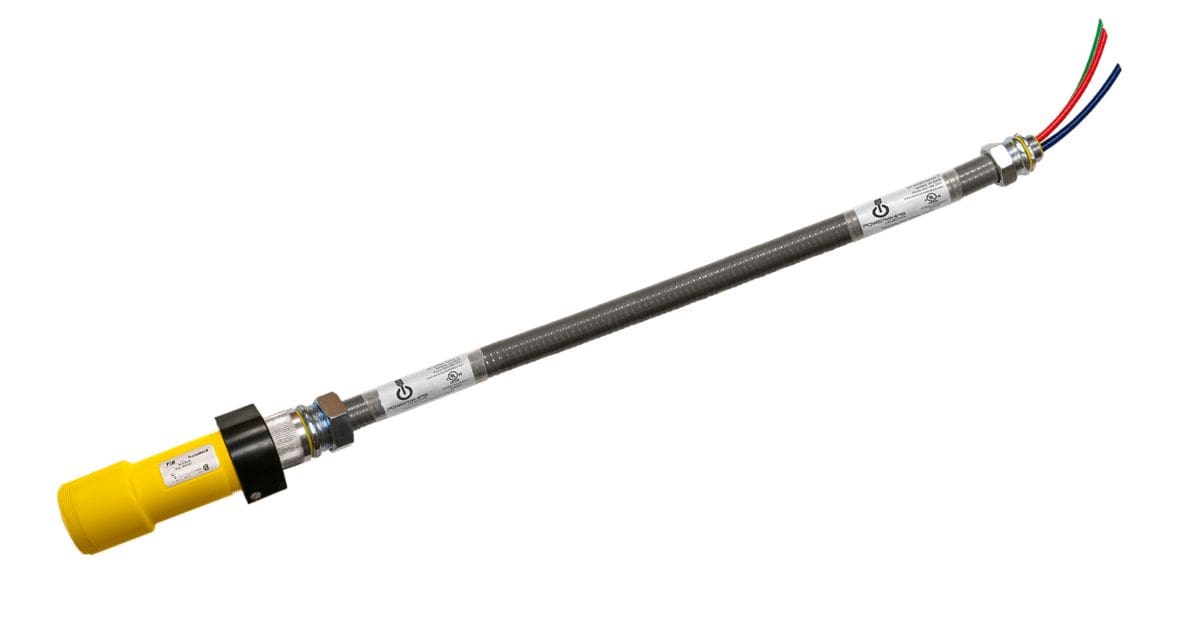
Russellstoll pin-and-sleeve connectors are built for demanding environments, but even the best hardware depends on correct engagement in the field. A secure latch helps maintain consistent electrical contact, reduces stress on the contact set, and supports safer operation in wet, dirty, or corrosive locations.
Read on as we walk through how locking styles work, the secure latching techniques for Russellstoll plugs, and how to avoid the common handling mistakes that lead to unreliable connections.
Risks of Improper Latching in High-Load Environments
When a high-load connector is not latched correctly, the risk of failure often escalates. Loose engagement can increase contact resistance, leading to increased heat at the interface, especially under sustained load. Over time, that heat can degrade contact surfaces and insulation components, worsening future latching and electrical reliability. High-load environments amplify the consequences of sloppy mating because moisture, dirt, and corrosion can compound a marginal connection.
How Russellstoll Latching Mechanisms Work
Russellstoll uses multiple approaches to prevent plugs and receptacles from unintentionally separating. Some designs lock automatically at insertion, while others rely on a controlled twist-and-seat sequence.
Ever-Lok Self-Locking
In Ever-Lok locking connections, the system locks at insertion without relying on screw collars. It usually involves aligning the tabs and pushing the connector straight in so the external buttons or ribs can automatically lock with the mating internal housing.
When the system is properly engaged, the housings retain the connection, reducing strain on the electrical contacts. Removal in this style typically uses a controlled reverse motion rather than brute force.
Delayed-Action Locking
Hazardous-duty delayed-action devices use a defined engagement and withdrawal sequence to reduce accidental disconnects and support safer interruption behavior. It typically involves inserting the plug, turning left, pushing in to make electrical contact, and then turning right to prevent accidental disconnection. For withdrawal, the reverse procedure is followed, allowing time for arc extinction and cooling before the plug can be fully withdrawn.
Polarization
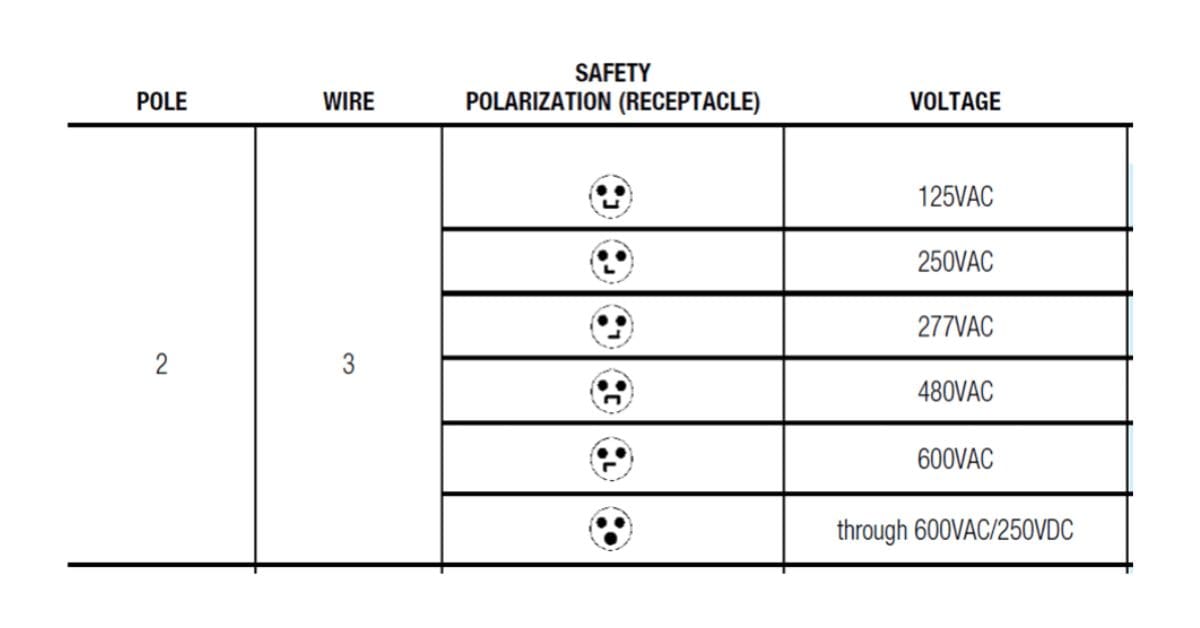
Russellstoll systems also use polarization, so the plug can enter the mating device only one way, improving consistency and reducing wiring mistakes during assembly and use. The devices are polarized so that the plug can enter the receptacle or connector only one way, and the contact chambers are identified by number to help maintain proper polarity during mating.
Polarization does not replace proper latching, but it supports it. When alignment is correct, the connection seats more cleanly, and the locking features can engage as designed.
Step-By-Step Technique for a Reliable Latch
A consistent technique improves reliability and reduces wear, especially when multiple technicians handle the same equipment.
Pre-Check the Plug, Receptacle, and Cable
Start by checking the connector faces and the housing for obvious damage. Look for bent pins or sleeves, cracked insulation components, or contamination that could interfere with seating. In wet or corrosive settings, you should also pay attention to sealing surfaces and debris that could prevent a complete mate.
Next, confirm you are using the correct mating components for the circuit. Remember that equipment connected to circuits with different voltages, frequencies, or currents on the same premises must not be interchangeable.
Seat the Connection Using the Locking Method
For Ever-Lok style self-locking connections, focus on alignment and straight insertion. Line up tabs and plug it straight in so the locking features engage automatically with the internal housing. Do not force engagement, because it can damage alignment features and create future retention problems.
For delayed-action hazardous-duty styles, follow the sequence that the device is designed to enforce. It typically calls for inserting, turning left, pushing in to make electrical contact, then turning right to prevent accidental disconnection, with the reverse procedure for removal.
Confirm the Lock Before Energizing
After mating, do a controlled retention check. Apply a gentle pull and a slight rotational check that stays within normal handling force, and confirm there is no “free play” that suggests partial seating. If the connection does not feel solid, treat it as a stop sign and re-seat it rather than energizing and hoping it “settles in.” In self-locking systems, remember that the housing lock is supposed to carry retention duty.
Troubleshooting Loose or Inconsistent Latching
When latching becomes inconsistent, the cause is often mechanical wear, contamination, or a mismatch between mating components. Fixing it starts with recognizing the symptoms early and avoiding habits that accelerate damage.
Signs of Wear That Reduce Retention
If a connector used to “snap” or lock confidently and now feels vague, you may be dealing with worn locking interfaces or damaged alignment features. In industrial environments, repeated cycles, contamination, and impact can round off locking surfaces over time. If you see visible wear on locking ribs, tabs, or housing interfaces, assume retention strength has dropped and address it before the connection becomes unreliable.
Misalignment Issues
Misalignment often starts with improper handling. People rotate or push at the wrong angle, or they try to mate under cable tension that pulls the plug to the side. Polarization reduces the risk of incorrect orientation, but it cannot overcome poor technique or damaged guiding features.
Correct misalignment by eliminating side loads during mating. Support the cable, align the connector faces, and seat the plug in a straight, controlled motion.
When To Repair, Replace, or Rebuild Components
If the locking mechanism will not hold after cleaning and correct seating, assume a mechanical issue exists. At that point, replacement is often safer than improvisation, especially in high-load or hazardous-duty applications. For delayed-action and hazardous-duty devices, follow the manufacturer’s intended operation and treat persistent latching issues as grounds for removing the device from service until corrected.
In standardized facilities, a disciplined spare-parts strategy helps you avoid the temptation to “make it work.” When you keep correct mating parts and approved replacements on hand, teams are less likely to introduce mismatched components that compromise retention and interchange control.
Keep Connections Secure
Russellstoll provides locking approaches that support retention in tough environments, including self-locking housings and step-based delayed-action sequences in hazardous-duty designs. If you want reliability, you must treat engagement as a procedure, not a quick motion, and you must correct wear before it becomes failure. Keep these secure latching techniques for Russellstoll plugs in mind and never force a connection to prevent risky failures.
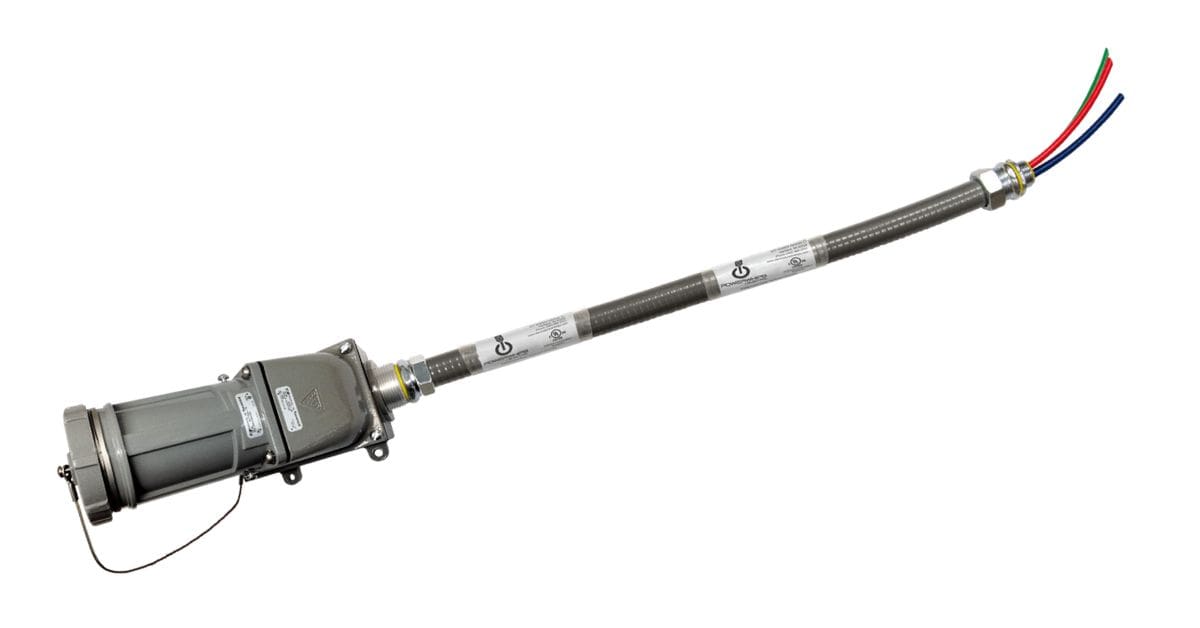
Need to replace a component? Electrol Powerwhips offers a durable Russellstoll plug built for demanding environments where secure engagement and consistent retention matter. Our rugged assemblies help you match the right device to your voltage, amperage, and application needs, so connections seat properly, lock in place, and hold up through repeated mating cycles.