
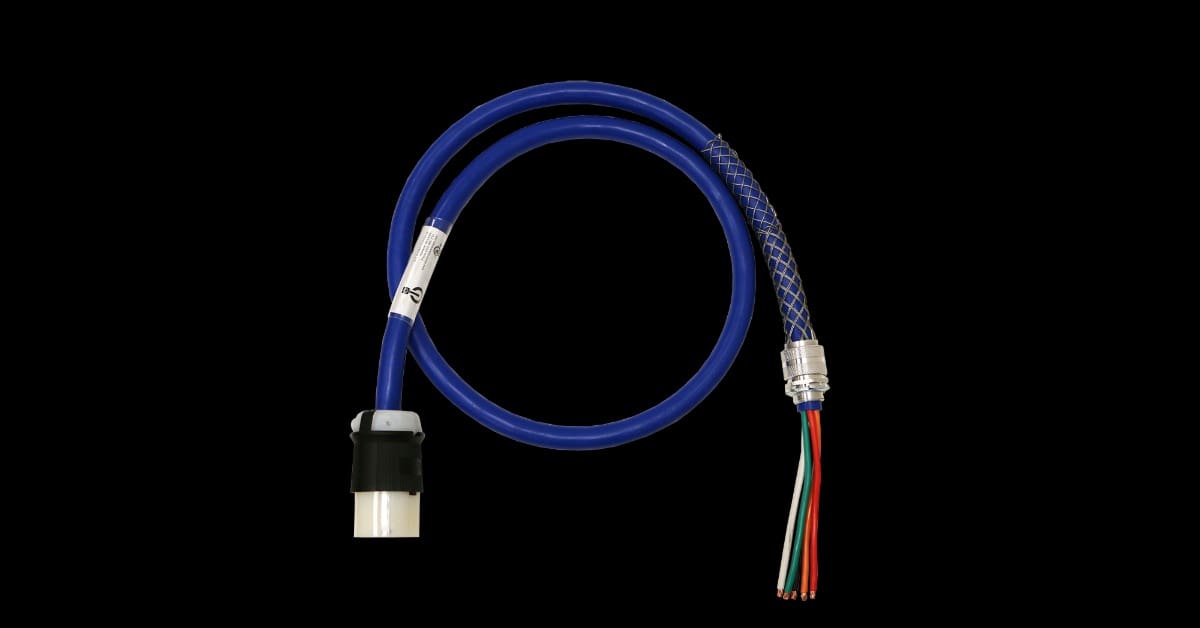
Manufacturers design SOOW cable for demanding use, but frequent reconfiguration requires a different evaluation approach. A cord that performs well in a fixed setup may experience new stresses when crews move it often, including bending, pulling, twisting, or contact with equipment edges.
Teams should view SOOW flex testing for frequent reconfigurations as a practical reliability framework, not a search for a universal cycle number. Cable construction and handling practices determine service life, not a fixed flex-cycle limit.
Why Frequent Reconfiguration Changes the Risk
Each reconfiguration exposes the cable to conditions different from the original installation. Pulling the cord from under equipment or rerouting it around obstacles alters the stress on the jacket and conductors. Repeated movement fatigues specific areas, often near bend points and connectors. Focus flex testing on these locations rather than assuming uniform aging along the entire cable.
What SOOW Flex Testing Should Prove
Field flex testing determines whether the cord remains suitable for the next reconfiguration cycle. This assessment requires more than a visual inspection.
Lab flex tests evaluate products under controlled conditions, while facility reconfiguration tests assess whether crews can safely and reliably reuse a specific cord assembly after actual use.
Build A Baseline Before the First Move
Perform a baseline inspection to provide a reference point before frequent reconfiguration begins. Conduct this initial review when the cable assembly is new or newly assigned. Document cord length, connector type, conductor count, and intended use. Then use photos to support future comparisons.
Include the expected cable route in baseline documentation, noting any bends around equipment or crossings of service pathways. Omitting route details overlooks key sources of fatigue.
Set Triggers for Retesting
Frequent reconfiguration is often unpredictable. That is why trigger-based testing is more effective than relying solely on calendar-based inspections.
A site-specific flex review should capture:
- Movement after each major layout change
- Pulling force that felt excessive during setup
- Contact with sharp edges or pinch points
- Visible jacket scuffing after relocation
- Connector impact during handling
- Exposure to moisture during staging
- Abnormal heat found during operation
- Any trip event tied to the cord or connected load
These triggers help technicians respond to changing conditions and simplify explanations during maintenance reviews.
Inspect Jacket Fatigue Where Movement Occurs
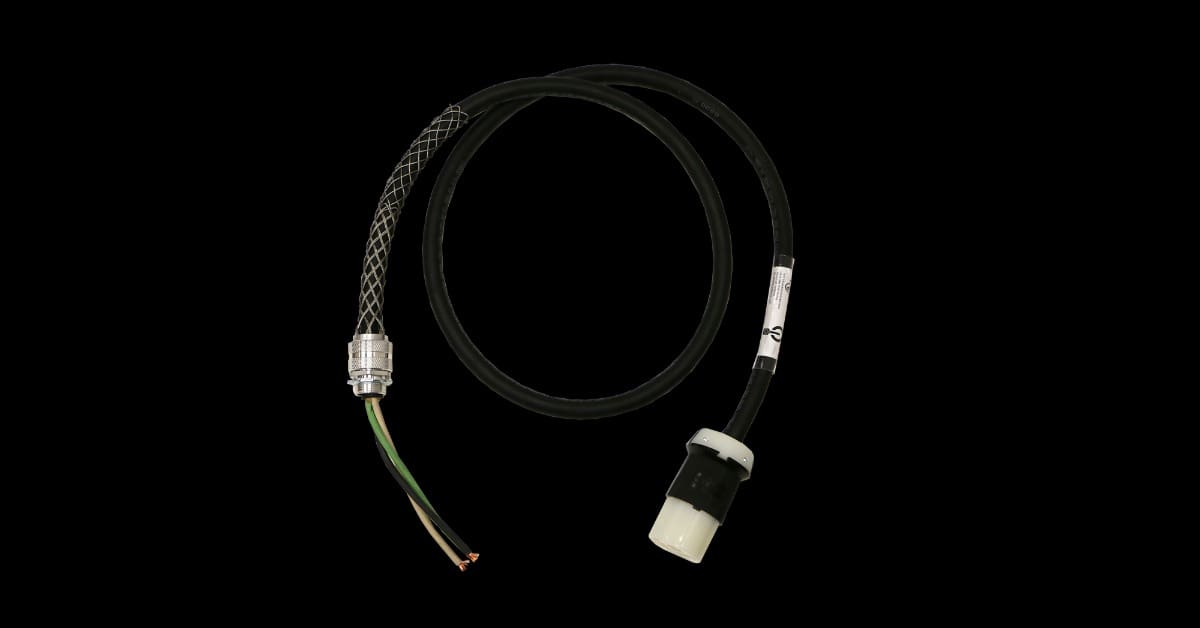
Jacket fatigue typically starts at frequent bend points, often near connectors or route transitions. Over time, cracks or stiffness may develop in these areas. Detect problems early to prevent exposing conductor insulation.
When safe, technicians perform a tactile inspection by running a gloved hand along the jacket. This reveals hard or soft spots that visual checks may miss. Review any changes in texture. Repeated damage in the same area often signals a routing issue as well.
Abrasion Reveals a Story
Abrasion usually results from a specific cause, such as repeatedly dragging the cable across a floor support or coiling it over a rough edge. Address handling issues to prevent future damage. Simply replacing the cable does not resolve recurring route problems.
Test Terminations Before Testing the Cable Body
Terminations often fail before the main cable length because handling forces, heightened by frequent reconfiguration, increase the risk. Pulling on the cord instead of the connector body or twisting the assembly during alignment increases this risk.
Confirm during termination checks that the jacket remains secure at the connector and the connector body shows no cracks or looseness. For molded ends, inspect the transition to the cable jacket.
Control Bend Radius During Each Reconfiguration
A cable may pass inspection yet sustain damage if you force it into a tight bend during reconfiguration. Maintain proper bend radius, use broad curves instead of sharp turns, and avoid kinking during staging or installation.
Bend control becomes increasingly important with larger cables, which resist tight movement. Forcing them into compact paths stresses the jacket and conductors. In this case, optimize the route instead of increasing inspection frequency.
Do not let slack become a hazard! Slack prevents strain, but unmanaged slack causes issues such as dragging or pinching. Maintain controlled slack to support access without clutter.
Verify Electrical Condition After Stress Events
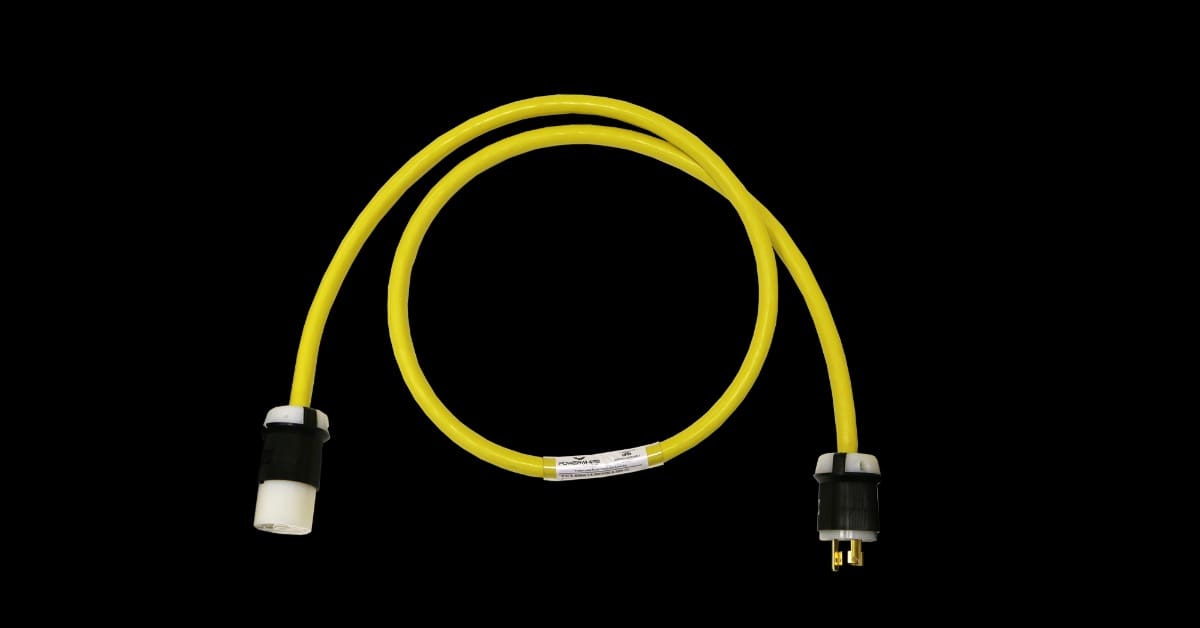
Visual inspection cannot detect all conductor issues. After severe handling, perform electrical checks before returning the cord to service. Continuity testing confirms conductor integrity, and grounding verification addresses safety concerns.
Perform insulation resistance testing after suspected moisture intrusion or mechanical damage. Qualified personnel select appropriate methods and follow manufacturer instructions and facility safety procedures. Field tests must not introduce new hazards.
Keep Reconfiguration Records Useful
A record stating “cord inspected” offers limited value. Effective documentation should include cord identification, location, movement event, findings, actions taken, and whether the cable remained in service or was sent for repair. Over time, these records reveal patterns that help teams improve setups.
Repeated abrasion near the same pathway signals a routing issue, while frequent termination strain suggests the assembly length is unsuitable. Records convert recurring problems into actionable planning data.
Know When Replacement Beats Another Test
Testing supports decision-making but does not justify keeping compromised cords in service. Deep cuts, exposed insulation, or connector damage require removal. Replace cords that repeatedly fail inspection with assemblies with better specifications. Always use conservative judgment when it comes to frequent reconfiguration.
Replacement improves the next setup when teams learn from failure. Choosing a different length can reduce pulling. Selecting a better connector may simplify handling. Address the cause as well as the damaged cable when making the replacement decision.
Building a Smarter Flex Testing Program
Frequent reconfiguration makes cable condition a moving target. A strong program starts with the right cord and continues with baseline checks, trigger-based testing, and clear removal criteria. It also treats every damage pattern as feedback about the route, helping teams improve cable service life and operational reliability.
Effective programs stay practical and focus inspections where movement occurs. Test when stress events warrant it! With the right process, teams can maintain reliable SOOW cable assemblies through repeated changes.
Planning SOOW flex testing requirements for frequent reconfigurations with the appropriate assembly creates a stronger foundation for reliable portable power and a better setup.
Need to replace an SOOW cable? Electrol Powerwhips has you covered with solutions built for demanding environments where reconfiguration can take a toll over time. The right replacement helps reduce cable stress and keeps your power setup ready for the next change. Explore Electrol Powerwhips today to find an SOOW cable built around your reliability needs.