
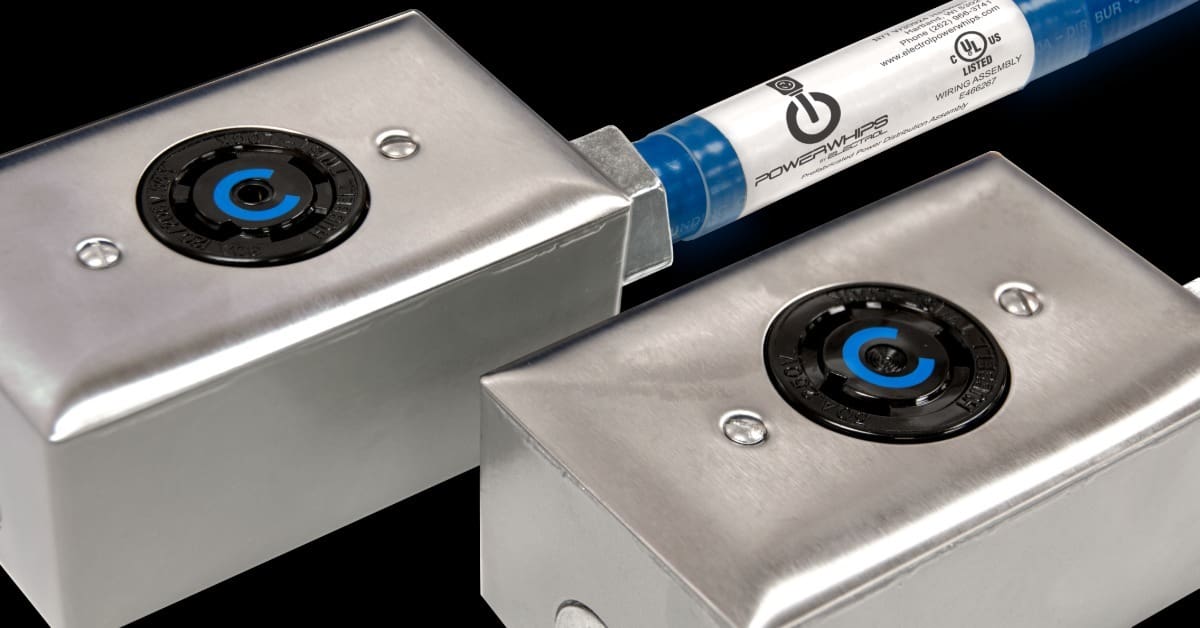
Power whips support critical electrical connections in environments where reliability matters every day. When a connection begins to run hotter than expected, the early warning signs are not always visible to the eye. Teams can use thermal imaging protocols for power whips hotspot detection to identify abnormal heat patterns before those issues turn into outages or damaged equipment. The value comes from using infrared inspections with discipline, rather than treating the camera as a quick-scan tool.
Power Whip Hotspots Deserve Attention
Power whips often connect equipment to a larger distribution system, making them important points in the electrical path. A loose termination can create resistance at the connection point, and that resistance can become heat when current flows through the assembly.
Hotspots may also appear when a whip operates near its limits. Poor routing can add mechanical stress near the connector, and damaged insulation can change how heat appears at the surface. The scan should give technicians a reason to investigate, not a reason to guess.
What Thermal Imaging Can and Cannot Prove
A thermal camera helps technicians see temperature differences across visible surfaces. It works best when equipment carries enough load to reveal abnormal heating. It can help identify a hot connector body or a cable section that differs from comparable assemblies.
However, infrared imaging has limits. It cannot see through opaque materials. It can also mislead technicians when shiny surfaces reflect nearby heat. Camera settings matter because emissivity affects the reading. A skilled operator knows that the image needs context before anyone makes a maintenance decision.
Apparent Heat Needs Interpretation
A hotspot does not always mean the same thing in every installation. One assembly may run warmer because it carries more load, while another may show more heat because the ambient conditions differ from the comparison point. A third may have a termination issue that needs immediate attention. Good protocols help separate normal variation from a real concern.
Inspect Under Meaningful Load
Thermal imaging yields the most useful results when the system operates under normal load conditions. A power whip that carries little current may not reveal a weak connection during the scan. However, the same connection could heat up later when the load increases.
Technicians should confirm the load conditions before documenting the inspection. If the load is unusually low, the report should say so. A low-load scan can still provide value, but it may not reveal the full risk. For critical systems, teams should schedule scans during realistic operating conditions whenever possible.
Compare Similar Connections
Comparison is one of the most practical ways to interpret a scan. A technician can compare similar power whips that feed similar equipment under similar loads. A single warmer connection may then stand out more clearly. This approach helps reduce unnecessary concern over normal heat patterns.
Build A Repeatable Scan Path
A thermal imaging program works best when teams follow the same inspection path each time. The technician should know which power whips to inspect and where to capture each image. A repeatable route makes future comparisons easier. It also reduces the chance that a critical connection gets missed.
The scan path should include accessible connector ends. It should also include areas near strain relief points. If the whip routes through a congested space, the team should identify safe viewing angles before the inspection begins.
Document Conditions With Every Image
A thermal image loses value when the team cannot understand the conditions behind it. Each image should connect to a specific asset and location. The report should also include load conditions whenever available.
Good documentation also records the camera settings. Emissivity settings can influence apparent temperature, and distance can affect image quality. These details help future technicians compare images more accurately.
Know Where Hotspots Commonly Appear
Power whip hotspots often develop near connection points. The connector body may show abnormal heat if a contact issue exists. The area near a termination can also run warm when the connection has too much resistance.
Technicians should also inspect transitions. A cable that bends sharply near a connector may show a different heat pattern. The protocol should guide the technician to review the surrounding environment before labeling the issue.
A focused scan should review:
- Connector bodies under load
- Termination areas when visible
- Strain relief points
- Cable sections near tight bends
- Comparable whips on similar loads
- Areas with past heat history
Separate Electrical Issues From Environmental Heat
Not every warm area is due to an electrical defect. Heat can come from nearby equipment, and warm air from cooling systems can change the scan. Sunlight can also affect exposed surfaces.
Technicians should change viewing angles when a reading looks suspicious. If possible, they should review the same area from another safe position. These steps help prevent unnecessary maintenance work based on a misleading image.
Look For Patterns, Not Just Bright Colors
A thermal image may look dramatic because the color palette exaggerates small differences. The actual temperature spread may not justify urgent action. Technicians should look at measured differences and patterns. They should also compare the findings against the facility’s maintenance criteria.
Set a Clear Response Protocol
A thermal imaging program needs defined next steps. The team should know what happens when a technician finds an abnormal reading. Some findings may require continued monitoring, while others may require scheduled maintenance. A severe hotspot may require prompt action through the facility’s electrical safety process.
The response should not involve touching or tightening energized equipment without proper procedures. Qualified personnel should de-energize equipment when maintenance requires direct work. Lockout procedures should also apply when the task requires them. Safety must always guide the response from image capture to repair.
Use Trends To Improve Maintenance Planning
A single scan can identify a current concern. Repeated scans can reveal a developing issue before it becomes urgent. Trend data helps teams see whether a connection runs warmer over time. This gives maintenance teams a stronger basis for planning service.
Trend tracking also supports better replacement decisions. If the same assembly continues to show abnormal heat after corrective work, the team should look more deeply. The issue may involve the assembly, the load, the upstream equipment, or the installation environment. Thermal imaging works best when teams use it as part of a larger reliability program.
Building a Stronger Hotspot Detection Program
Thermal imaging becomes more valuable when teams use it consistently. The protocol should define when scans happen and which assets receive attention. It should also guide technicians on how to capture images and report findings.
Facilities that rely on thermal imaging protocols for power whips hotspot detection can improve visibility at important connection points. The goal is to detect abnormal heat early enough to respond with control measures.
Contact Electrol PowerWhips to discuss power whips built for reliable performance in demanding electrical environments where connection quality and uptime matter. When thermal imaging reveals heat concerns or your team wants to strengthen long-term reliability, the right assembly can help support cleaner routing and more dependable operation. Work with us and support a stronger hotspot prevention strategy today.