
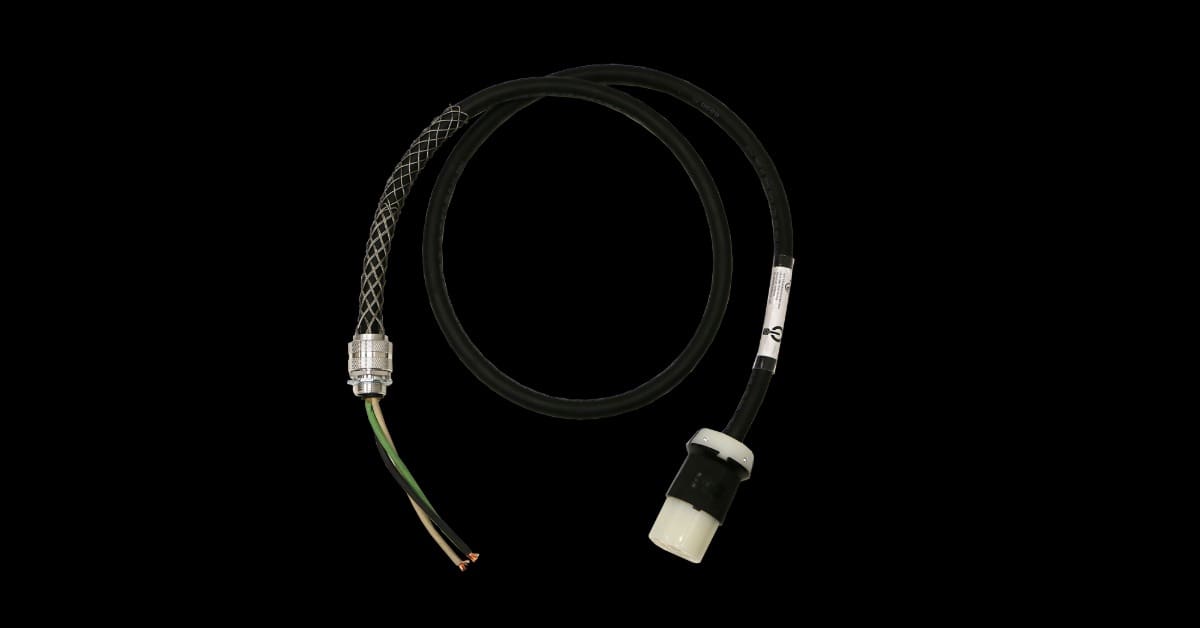
SOOW cable performs well in demanding environments, but repeated movement eventually wears down any cable jacket. Underfloor installations introduce ongoing flexing during installation and routine access. This is why it is crucial that teams plan around underfloor SOOW flex cycles before jacket fatigue sets in. These practices help reduce unnecessary damage and protect long-term power reliability. Instead of chasing a fixed cycle count, successful teams must focus on how movement affects the jacket over time.
Underfloor Environments Create Hidden Cable Stress
Underfloor pathways often appear organized from above, but conditions change once technicians remove floor tiles. Tight turns and crowded layouts create stress points that are not always visible during initial installation. SOOW cable handles rugged conditions, yet repeated bending in the same location still introduces strain. Technicians frequently move cables during maintenance. Each interaction adds stress to the jacket. Over time, these small movements accumulate, increasing the risk of fatigue.
There Is No Universal SOOW Flex-Cycle Number
SOOW cable performance depends on real-world conditions. Flex cycles vary based on bend radius, jacket composition, and mechanical load. A cable in a stable pathway may experience minimal movement, while another cable in a high-access area may flex repeatedly within the same timeframe.
Teams should avoid relying on a single cycle estimate. Manufacturers may provide general guidance, but field conditions ultimately determine service life. A more effective strategy focuses on reducing unnecessary movement and inspecting high-risk areas.
Flex Life Depends on Real Use
Cables that follow smooth, gradual paths typically last longer than those forced into tight bends. Repeated bending at the same point accelerates fatigue. Underfloor layouts often restrict movement, which increases stress concentration. Implementing thoughtful routing helps distribute movement more evenly and reduces localized wear.
What Jacket Fatigue Looks Like
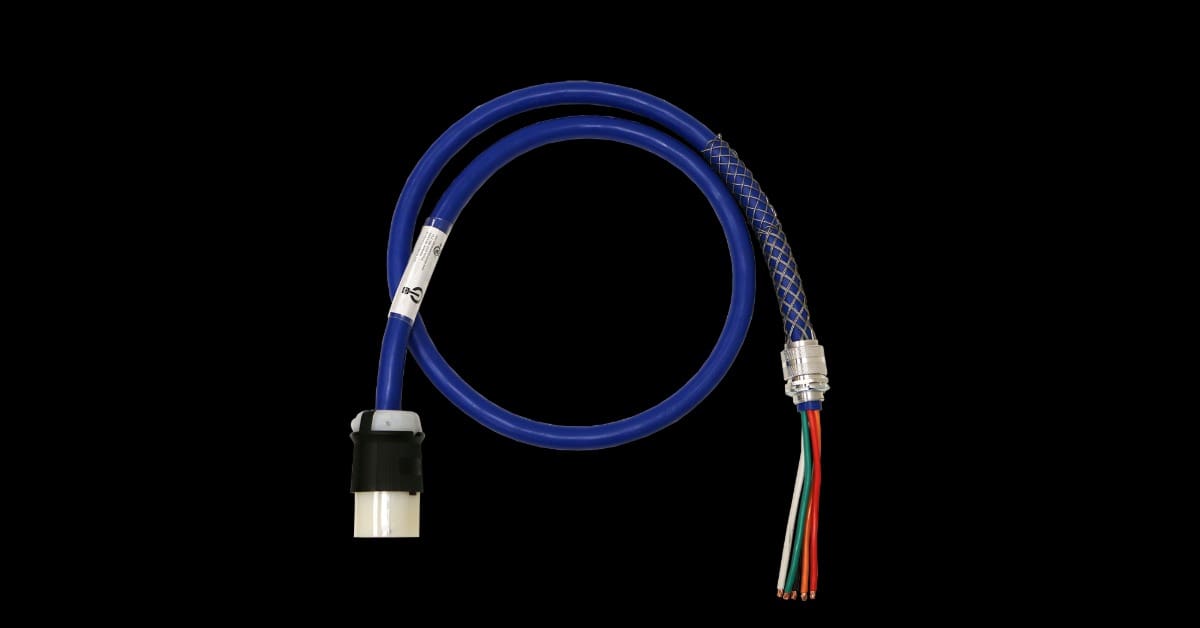
Jacket fatigue develops gradually before visible failure occurs. Early signs include surface dulling, minor cracking, or stiffness near bend points. In some cases, abrasion appears where the cable contacts floor edges or structural supports. As the jacket weakens, it loses its ability to protect against moisture and mechanical damage.
Technicians should focus on transition points during inspections. These areas include terminations and cable exits. Damage in these locations often signals repeated flexing or unsupported weight.
Bend Radius Matters More Than Convenience
Installers often face space constraints, leading to tight bends during installation. Over time, these bends concentrate stress in specific sections of the jacket. Although SOOW cable offers flexibility, it still requires adequate space to move without deformation.
Installers should route cables along smooth paths and avoid sharp supports or confined openings. A well-planned route reduces strain and simplifies future maintenance. When cables are moved during service, they should move without scraping or kinking.
Avoid Permanent Stress Points
Cables should not remain under tension after installation. Excess pulling force stretches the jacket near bends and connectors. This stress, combined with normal movement, accelerates fatigue. Proper slack allows the cable to settle naturally without strain.
Underfloor Access Can Accelerate Wear
Technicians must access underfloor spaces regularly. They typically remove panels and reposition cables to reach equipment. Each interaction introduces another flex event. Repeated handling increases the likelihood of jacket fatigue.
Teams should not limit access, but they should plan routing with maintenance in mind. Cables placed in high-traffic areas experience more movement. Strategic placement reduces unnecessary handling and extends service life.
Routing Choices That Reduce Jacket Fatigue
Effective routing supports both current operations and future maintenance. Strong layouts avoid sharp edges and high-contact zones. Cables should not sit where floor panels can pinch them. They should also remain clear of brackets that may scrape the jacket during movement.
A practical routing plan includes:
- Broad bends at directional changes
- Separation from sharp supports
- Adequate slack for service access
- Protection at transition points
- Stable pathways away from pinch zones
- Clear inspection access near terminations
These practices reduce unnecessary flexing and simplify routine inspections.
Why Terminations Need Extra Attention
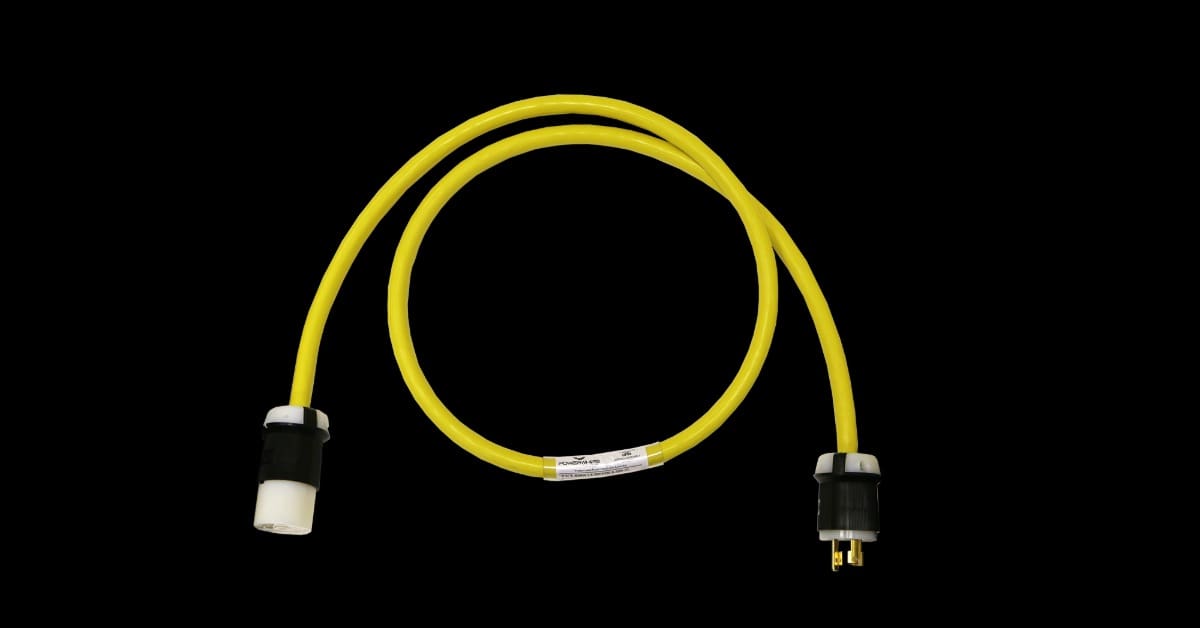
Terminations often experience more stress than the cable body. Poor routing can place tension near connectors when slack is insufficient. Technicians may also pull on the cable rather than handle the connector, which increases strain at the entry point.
Proper strain relief protects this vulnerable area. It prevents the cable from carrying a mechanical load that should be carried elsewhere. Teams must inspect the jacket near connectors for signs of pullback or deformation. Any visible change requires immediate evaluation.
Do Not Let the Connector Carry the Route
Connectors should never act as anchors for poorly routed cables. When routing pulls against the connector, the termination absorbs repeated stress. Over time, this weakens both the jacket and the connection. A well-designed route eliminates unnecessary load before it reaches the termination.
Heat and Environment Affect Jacket Aging
Underfloor environments often expose cables to elevated temperatures. Heat affects jacket flexibility and accelerates aging. Moisture and contaminants also impact cable condition, especially when the jacket already shows signs of wear. Facilities should evaluate environmental conditions as part of routine maintenance. High-heat zones and areas exposed to moisture or cleaning agents demand closer attention.
Inspection Habits That Extend Service Life
Effective inspections focus on high-stress areas rather than just visible surfaces. Technicians should examine bend points, transition areas, and contact zones. They should also check where cables interact with structural elements.
Documentation strengthens these maintenance efforts. Teams should record the location and cause of any damage. Repeated issues often indicate routing problems, and correcting the route prevents future failures and improves overall reliability.
When Replacement Makes More Sense Than Repair
Certain types of damage require immediate replacement. Exposed insulation and cracking near terminations compromise cable performance. Temporary fixes may conceal the issue without restoring the needed protection.
Planned replacement offers better control than reactive repairs. It allows teams to improve routing before installing new assemblies. This proactive approach protects uptime and ensures long-term serviceability.
Building a Longer Service Life Strategy
Facilities cannot eliminate every flex event, but they can control routing, support, inspection, and replacement strategies. By addressing underfloor SOOW flex cycles proactively before jacket fatigue, teams reduce preventable wear and improve reliability. The most effective strategy begins with the right assembly and continues with disciplined maintenance throughout the cable’s service life.
Need to replace an SO power cord? Electrol Powerwhips has you covered with cord solutions built for demanding underfloor power environments. The right replacement can help reduce stress at connection points and support cleaner routing where cable movement can affect long-term service life. Contact Electrol Powerwhips today to find an SO power cord that fits your application and helps keep your power distribution system reliable.