
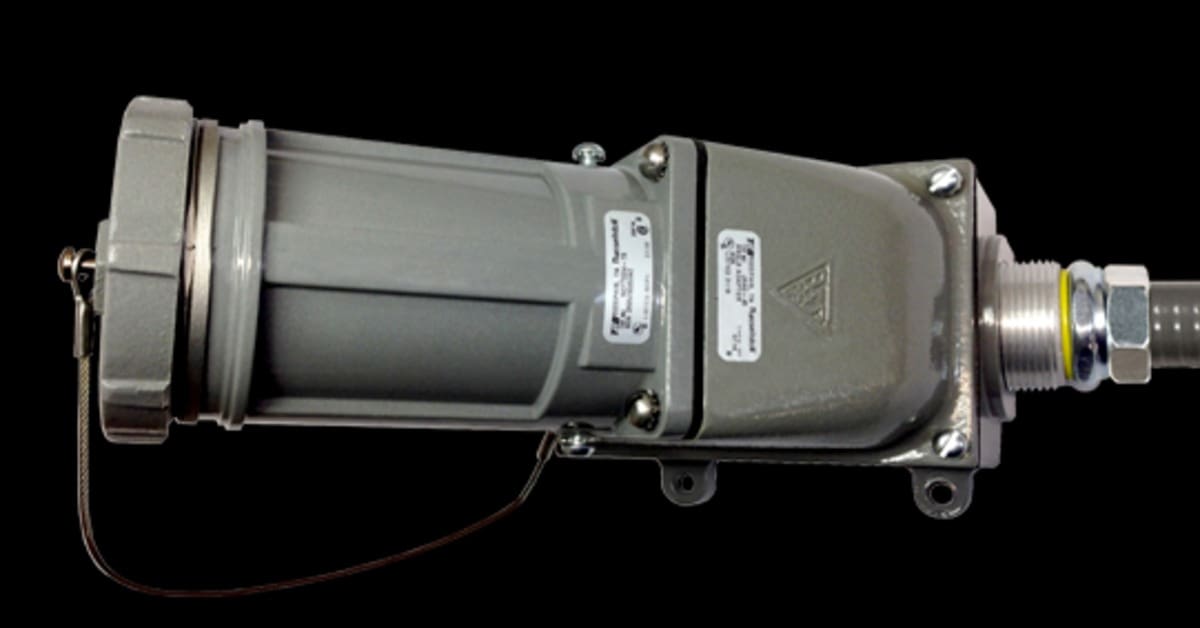
Industrial power connections often fail where movement meets electrical load. Vibration loosens poor connections and strains cable entries over time. It also exposes weak connector selection long before the system reaches its expected service life. When comparing vibration resistance among Russellstoll models, start by considering application fit rather than searching for a generic winner.
No single public ranking places every Russellstoll model in one universal vibration-resistance order. Instead, factors like connector family, load profile, and vibration source determine actual performance.
What Vibration Testing Should Evaluate
Meaningful vibration testing looks beyond whether a connector stays physically attached. The goal is to understand how the connection performs under repeated movement. Teams evaluate mechanical retention and cable strain control.
The test plan also reflects the operating environment. For example, light equipment vibration does not present the same challenge as heavy industrial shock. Effective vibration testing closely matches real-world use.
Do Not Rank by Appearance
A rugged-looking connector does not automatically deliver the best fit. Material strength matters, but locking design and cable support matter as well. Teams must rank options based on the failure mode they need to prevent.
Ranking Russellstoll Options by Vibration Fit
The strongest ranking begins with design intent and field-application logic. For instance, some Russellstoll families focus on heavy-service locking connections, while others serve harsh industrial power. Some prioritize waterproof protection in washdown or wet environments. Each one serves demanding applications when specified correctly.
Do not use this ranking as a substitute for manufacturer review. Use it as a practical starting point for discussion. Always consider voltage, amperage, pole configuration, installation environment, and equipment requirements in the final selection. Verify the application before choosing a model.
No. 1: Ever-Lok for Shock and Vibration Concerns
Ever-Lok earns the top position when vibration resistance depends on a secure mechanical connection. In this design, the automatic locking approach keeps the plug casing fastened to the receptacle or connector. That design reduces strain on the electrical contacts and supports more reliable mating in applications exposed to movement. Ever-Lok works best when the main concern involves disconnection risk and repeated mechanical stress.
Where Ever-Lok Makes Sense
Ever-Lok often serves heavy-service environments and applications where crews frequently handle connectors. In these cases, the locking feature protects the connection during regular operation. However, always verify the exact rating and configuration before placing an order.
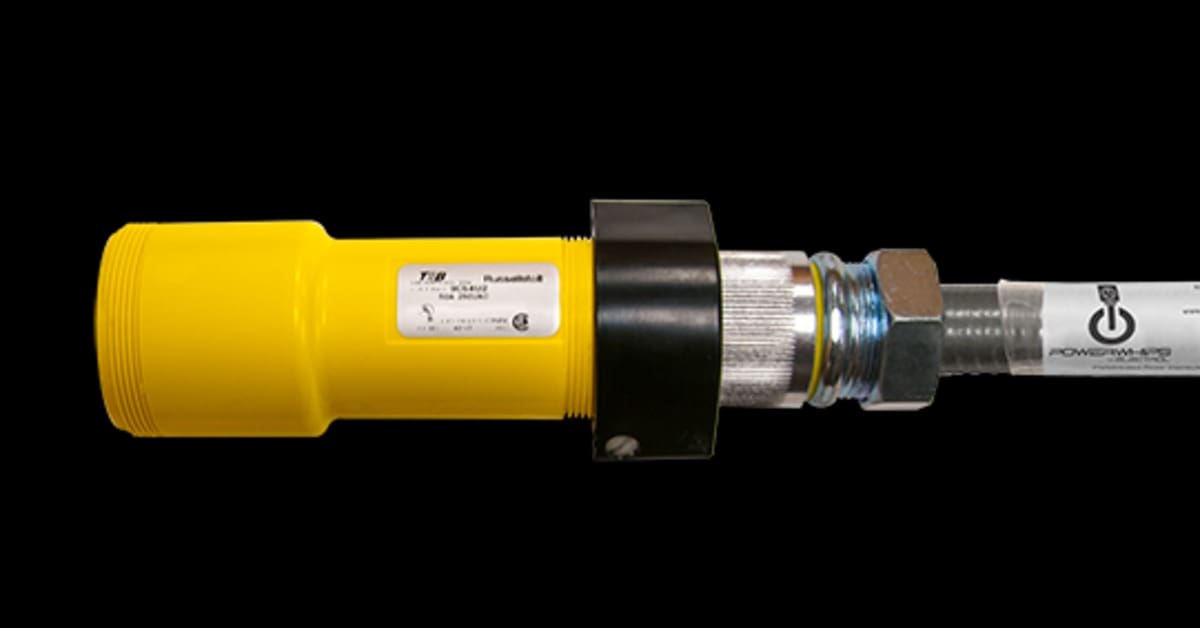
No. 2: MaxGard for Harsh Industrial Applications
MaxGard ranks highly for demanding industrial settings where rugged construction matters. This family often appears in heavy industry and harsh environments. MaxGard suits locations where connectors face rough treatment and challenging operating conditions. When vibration combines with rugged terrain or industrial equipment, MaxGard becomes a serious option.
MaxGard delivers value through its heavy-duty construction. As a result, it supports operations requiring durable power connections in harsh environments. Although it may not always be the first choice when automatic locking is the central requirement, MaxGard remains a strong contender when vibration appears alongside corrosion risk or heavy industrial use.
No. 3: DuraGard for Wet and Washdown Environments
DuraGard ranks well when vibration risk arises in wet or washdown spaces. It excels at providing waterproof connection performance and protection in moisture-prone applications. In these environments, vibration rarely acts alone. Water and handling stress affect the connection as well.
A vibration-resistant strategy in wet areas must protect more than mechanical retention. The connector must also preserve sealing performance. Use DuraGard in applications where environmental protection is the primary selection criterion.
Moisture Changes the Ranking
A connector that performs well in dry vibration conditions may not provide adequate protection in a wet room. Washdown environments require sealing performance as part of the selection process. Move DuraGard higher in the ranking if moisture becomes the dominant concern. Always prioritize application fit rather than a vibration score.
No. 4: IEC 60309 Options for Global Standardization
Russellstoll IEC 60309 options work well for global compatibility and standardized selection. These connectors help teams align voltage, frequency, color coding, and clock position across international applications. Their greatest advantage appears when multi-site consistency matters.
For vibration-focused applications, teams must evaluate the exact IEC device and installation method. Even then, the connector still needs the correct rating and environmental fit. In global deployments, IEC 60309 simply reduces mismatches while supporting a more consistent power strategy.
How Power Whips Fit into Vibration Planning
Power whips help facilities reduce field improvisation in vibration-prone environments. With a properly specified whip, teams get the right connector and length before installation begins, reducing excess slack that could move during operation. A better fit also improves both serviceability and connection stability.
What To Review Before Choosing a Model
Begin connector selection by identifying the problem the facility needs to solve. The operating environment determines the right Russellstoll model, as does how the connection will behave during normal use.
Before selecting a Russellstoll connector, review:
- Vibration source near the connection
- Shock exposure during equipment operation
- Frequency of connect and disconnect cycles
- Cable weight and strain relief needs
- Water or washdown exposure
- Corrosion or chemical exposure
- Voltage and amperage requirements
- Available space for safe handling
This review helps teams match the model to the application and helps suppliers recommend the correct assembly.
Installation Quality Still Determines Performance
Even the best connector underperforms when the installation creates stress. Unsupported weight pulls against the connector, so cable support is crucial. The bend radius near the connection point also matters. Tight routing transfers vibration directly into the termination area.
Technicians should avoid letting the connector carry the cable route. Support the cable before it reaches the connector body, then match strain relief to the cable size and jacket type. These details help the connector perform as designed.
Testing Should Include the Assembly
A connector does not operate on its own; it works as part of a cable assembly. Vibration testing must consider the cord, connector, support method, and mounting condition. Even a good model choice can fail if the assembly lacks proper support.
Building a Better Connector Selection Strategy
For teams researching vibration resistance across different Russellstoll models, the best answer still depends on the application. Choose Ever-Lok when secure locking under movement drives the decision, or use MaxGard for harsh industrial conditions where rugged performance matters. However, smart rankings do not stop at the model name. Match the model to the environment and maintenance expectations as well.
Electrol PowerWhips helps facilities improve connection reliability with a dependable Russellstoll receptacle built for vibration-prone environments. The right receptacle keeps the power connection secure when equipment movement threatens uptime. It also gives maintenance teams greater confidence at critical connection points. If you need help deciding, contact our team at Electrol PowerWhips and let us discusss a solution built around your goals.