by Kevin Groom | Nov 12, 2026 | Uncategorized
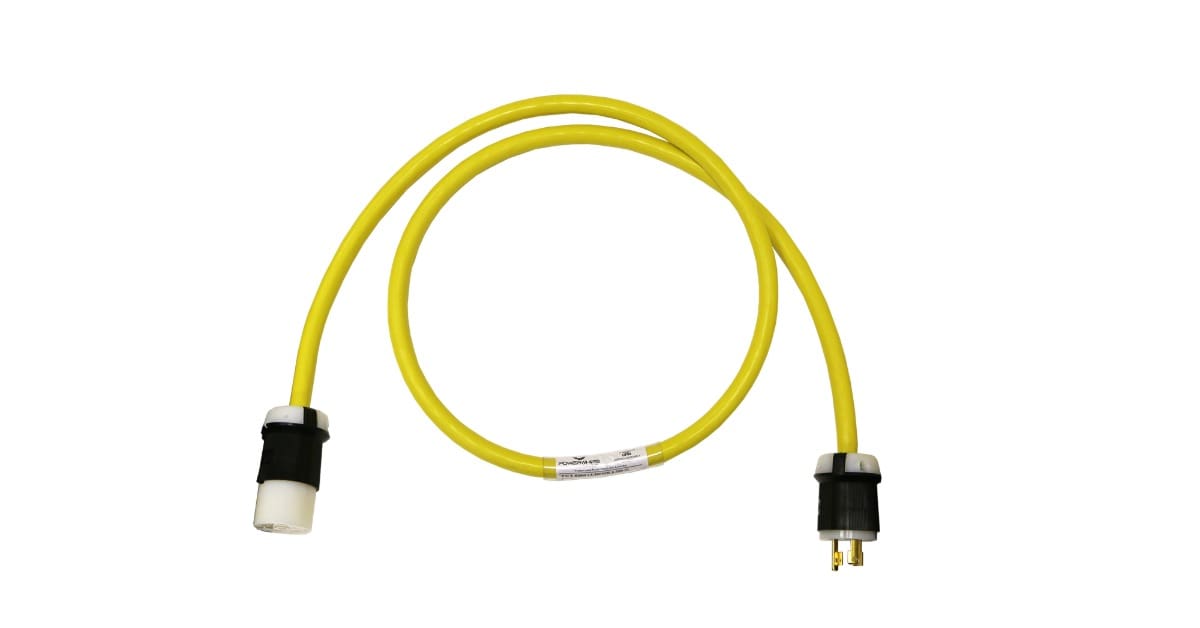
Engineers specify SOOW cable for demanding flexible-power applications because its construction addresses environmental and mechanical stresses that lighter-duty cords cannot handle. However, oil exposure can change polymer properties over time, while repeated surface...
by Kevin Groom | Nov 10, 2026 | Uncategorized
Grounding electrode conductor sizing becomes much easier once you understand the reasoning behind the rules. Service conductors set the initial sizing requirement, but they don’t always determine the final conductor size. The grounding electrode itself can...
by Kevin Groom | Nov 2, 2026 | Uncategorized
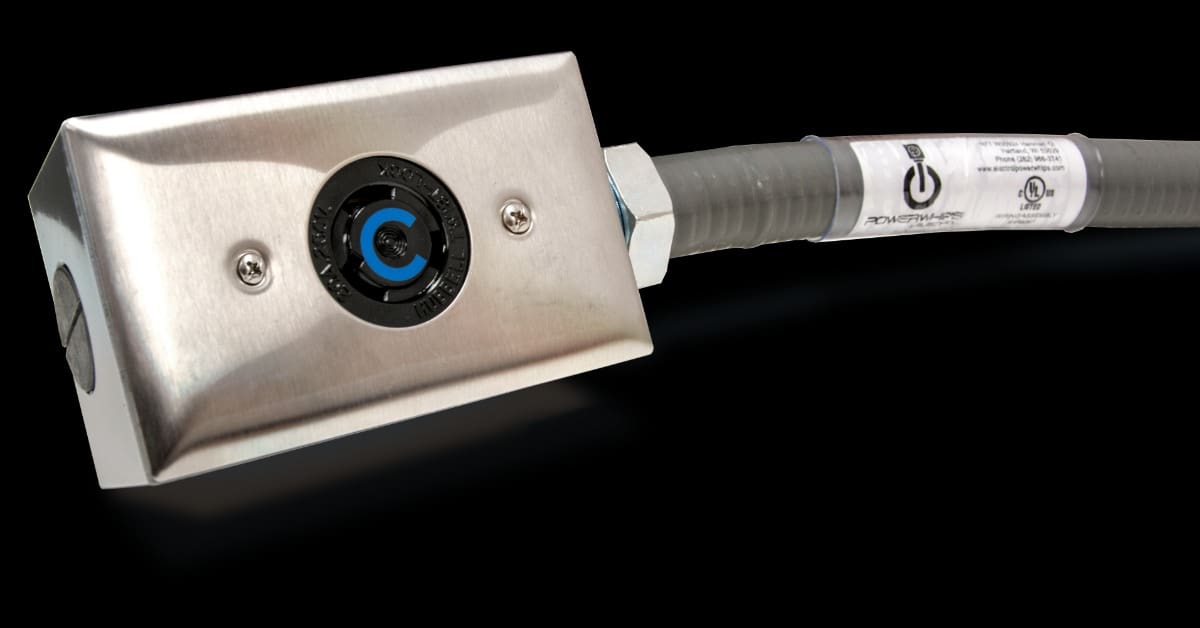
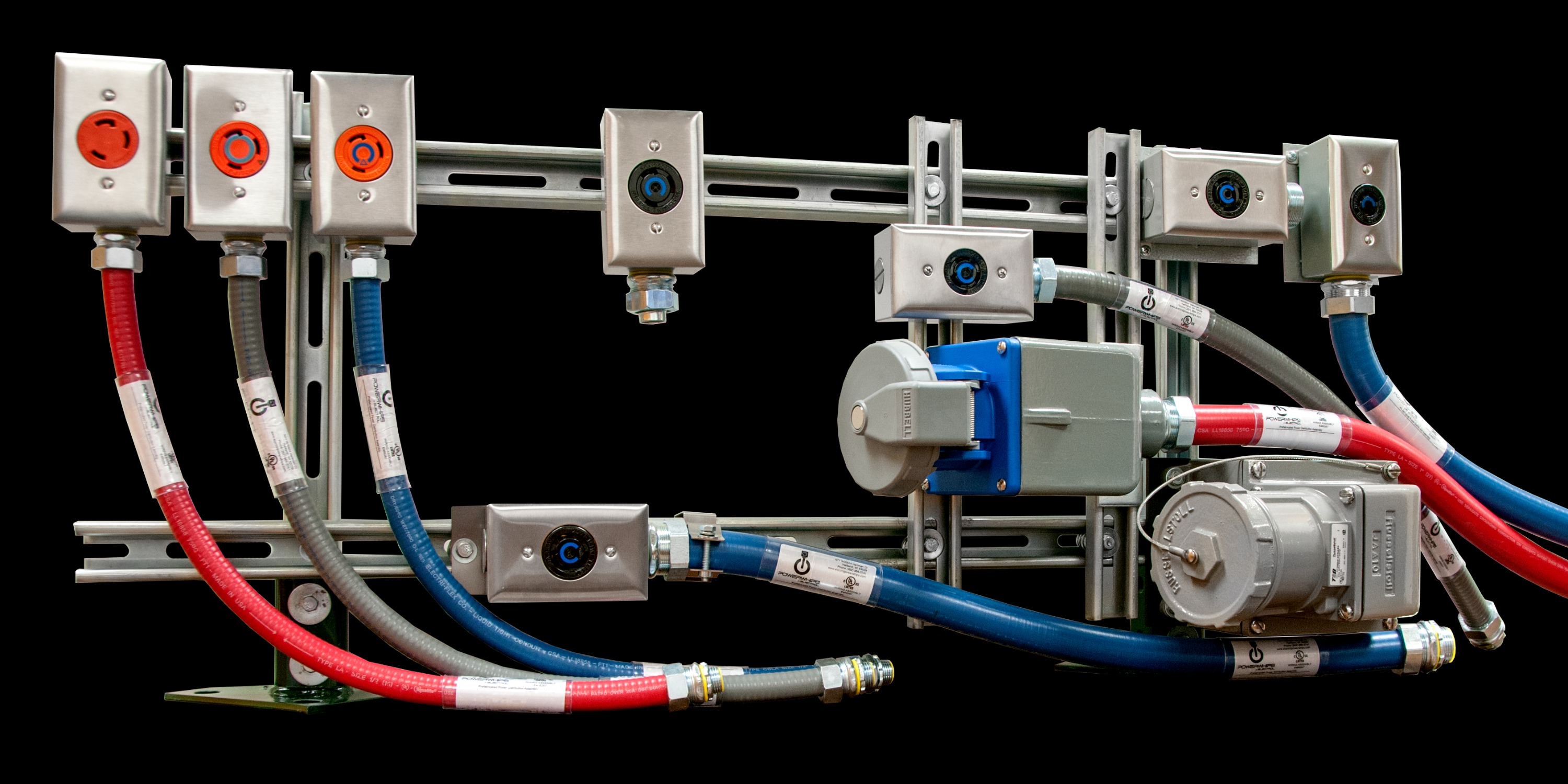
Electrical equipment does not always operate in a perfectly still environment. Motors can transfer movement into nearby infrastructure, and mechanical equipment can create persistent vibration that eventually reaches electrical connections. NEMA locking receptacles...
by Kevin Groom | Nov 2, 2026 | Uncategorized
Dense data center layouts leave very little room for careless cable routing. A PDU power cable needs to leave a distribution point and reach its connection without placing excessive stress on the assembly. When designers apply power whip bend radius specifications for...
by denysesalvador | Oct 23, 2026 | Uncategorized
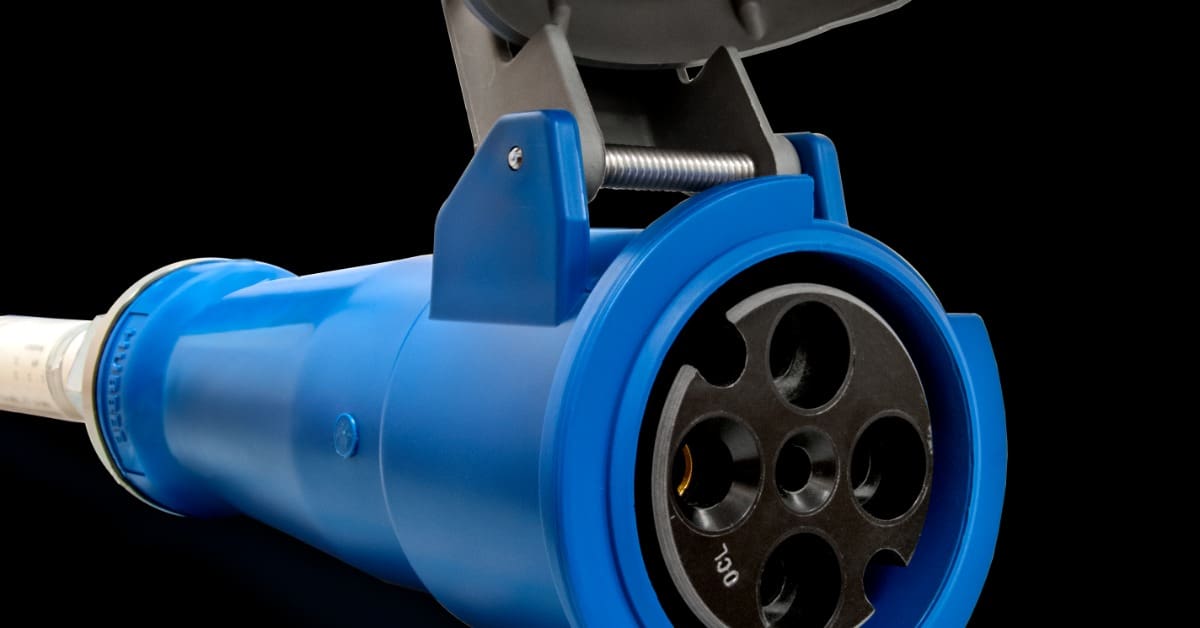
Higher-density IT equipment changes how data center teams plan rack-level power distribution. While a PDU offers substantial total capacity, every connected device still relies on an appropriately rated outlet and cable assembly. IEC 60320 C19/C20 connections are...
by Kevin Groom | Sep 22, 2026 | Uncategorized
Short-circuit current tells only part of the story when engineers specify transfer switch equipment. The amount of current matters, but how long it stays on the switch can change whether a rating fits the application. This becomes especially important in critical...